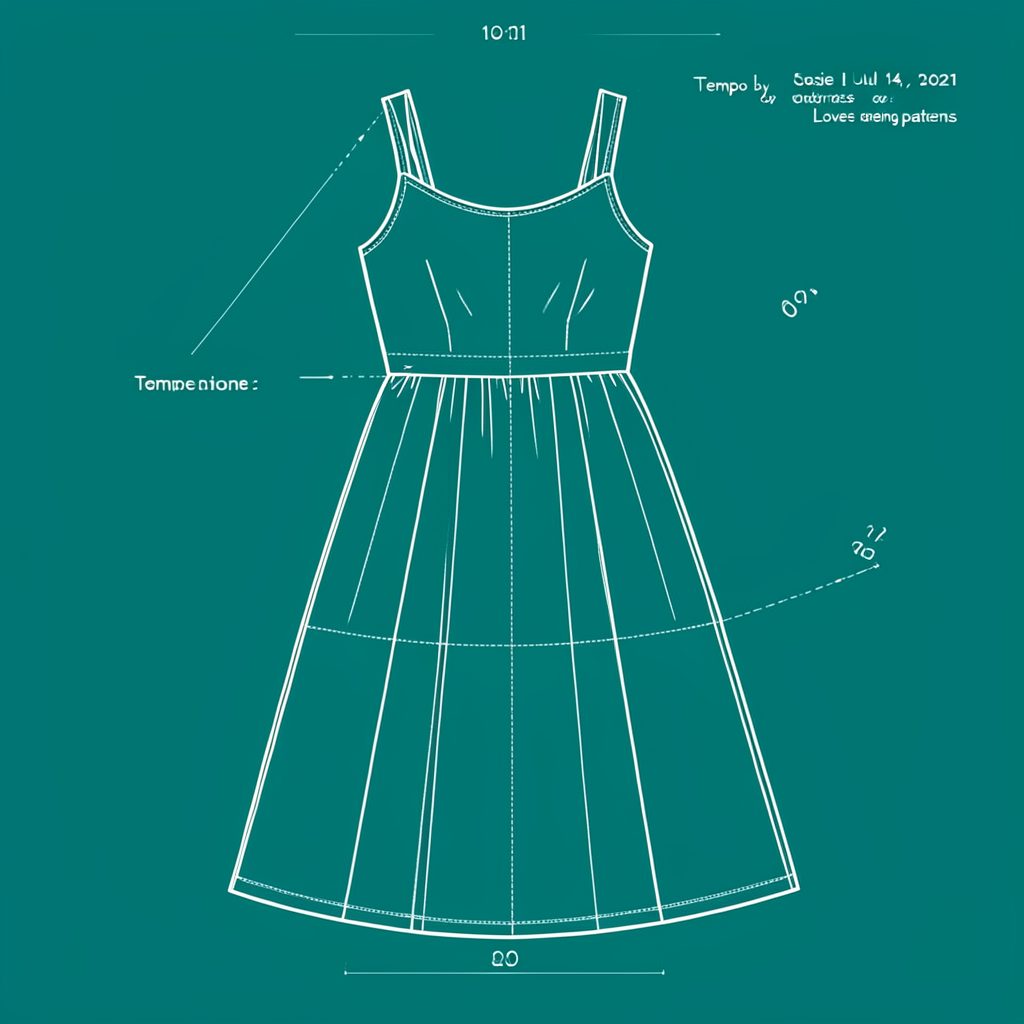
A Floral Midi Skirt Sewn With An Indie Pattern
A floral midi skirt is one of those useful handmade garments that can feel both practical and special. The length works across seasons, while a well-chosen print brings colour to a simple outfit without requiring complicated styling. With an indie sewing pattern, you can also adjust the fit, waistband, pockets and hem to suit your wardrobe.
This project is approachable for newer sewists, yet it leaves plenty of room for experienced makers to refine the finish. A gathered, softly pleated or gently flared design can all create a different silhouette from the same basic idea. Browse the wider sewing projects on It Is Josie for further handmade wardrobe inspiration and pattern ideas.
The key is to treat fabric selection, pattern preparation and construction as connected decisions. A busy floral cotton may need a quieter shape, while a drapey viscose can make a fuller skirt move beautifully. Taking time with those choices will make the finished garment easier to sew and more enjoyable to wear.
Choosing The Right Indie Pattern
Start with the shape you want rather than the fabric in your stash. A gathered midi skirt is forgiving at the waist and works well with quilting cotton, cotton lawn and lightweight linen. A panelled or six-gore skirt offers a cleaner line and can make a large floral motif feel more intentional. A wrap style brings visual interest, although it requires careful attention to overlap and fastening.
Read the pattern description, size chart and finished garment measurements before printing or cutting. Indie designers often provide helpful details about ease, fabric requirements and construction order, but sizing can vary considerably between companies. Compare the waist and hip measurements with a garment you already like, then check whether the pattern includes seam allowance and different length options.
If the design has several waistband choices, pockets or hem variations, decide which details support your fabric. A wide elasticated waistband may suit a casual cotton skirt, while a shaped waistband gives a more polished result. For a first version, choose a pattern with clear instructions and relatively few fitting variables.
| Skirt style | Suitable fabrics | Sewing considerations | Overall effect |
|---|---|---|---|
| Gathered midi | Cotton lawn, poplin, linen blend | Manage fullness at the waist; stabilise the waistband | Relaxed and easy to wear |
| Six-gore skirt | Viscose, chambray, lightweight denim | Match seams and press each panel carefully | Sleek with gentle movement |
| A-line skirt | Linen, corduroy, cotton twill | Check hip ease and keep side seams balanced | Classic and versatile |
| Wrap midi | Rayon, crepe, soft linen | Secure the overlap and strengthen waist ties | Fluid and statement-making |
| Tiered skirt | Lawn, double gauze, lightweight cotton | Control gathering and reduce bulk at joins | Romantic and informal |
Selecting A Floral Fabric
The scale of the floral print has a strong effect on the finished skirt. Small scattered flowers create a softer, more understated look and are easy to combine with plain tops. Large blooms can look striking on a simple A-line or panelled design, but pattern placement becomes more important. Look at the fabric from a distance before buying so you can judge the overall impression rather than focusing on one section of the roll.
Fabric weight matters just as much as colour. Cotton lawn creates a light, floaty skirt and is comfortable during warmer weather, while poplin gives gathers more structure. Viscose and rayon offer beautiful drape, although they can shift while cutting and may need extra stabilisation. Linen blends bring texture and breathability, but check how much they crease if you want a skirt for regular everyday wear.
Before cutting, wash and dry the fabric in the way you expect to launder the finished garment. This removes some of the potential shrinkage and reveals whether the print or colour changes. If the fabric is slippery, leave it to rest flat before laying out the pattern. Keep a small offcut for future repairs, matching thread and checking how pressing affects the fibres.
For transparency around gifted materials, affiliate links or other commercial relationships, read the site’s disclosure information before following product recommendations. It is useful context whenever a particular fabric, tool or pattern is mentioned.
Preparing The Pattern And Layout
Print the PDF pattern at the correct scale and check the test square before assembling the pages. Trim or overlap the sheets consistently, then label every piece with its name, cut quantity and grainline. This may feel tedious, but it prevents confusion once the floral fabric is spread across the cutting table.
Measure the pattern pieces at the waist and hip, subtract seam allowances where necessary, and compare those figures with your own measurements. A toile is valuable if the skirt has a fitted waistband or narrow hip area. For a gathered style, you may be able to adjust the waistband independently, but the skirt panels still need enough room to sit comfortably over the hips.
Pay close attention to the grainline. A floral may appear directionless, yet some prints have a clear upward orientation. Decide whether the flowers should point towards the hem or waistband and keep every piece consistent. Fold the fabric with the right sides together only if the print looks identical in both directions; otherwise, cut in a single layer.
Transfer notches, pocket markings and fold lines with a removable pen or tailor’s tacks. Mark the centre front and back as well. These reference points make it easier to distribute gathers evenly and to align panels without relying on guesswork.
Constructing The Skirt Cleanly
Begin with the pockets if the pattern includes them. Stay-stitch curved pocket openings, clip curves within the seam allowance and understitch where instructed. A pocket bag that is neatly pressed and secured will sit flatter inside the skirt, especially when using a lighter fabric.
Join the main skirt pieces with a consistent seam allowance, finishing the seams according to the fabric. Overlocking is quick, but a zigzag stitch, pinked edge or French seam can also work. Press seams as you sew, usually towards the back or open depending on the pattern instructions. Good pressing gives even a simple skirt a professional appearance.
If the skirt is gathered, sew two rows of long basting stitches and pull the bobbin threads gradually. Divide the skirt and waistband into quarters before attaching them. This distributes fullness more evenly than gathering the entire circumference in one go and reduces the risk of accidental pleats.
A waistband needs careful handling because it anchors the garment. Apply interfacing where the pattern recommends, sew the short ends accurately and understitch the inside edge if possible. Insert the zip, buttons or elastic before closing the waistband completely, and try the skirt on at this stage to check comfort and balance.
Fitting And Finishing Details
Try the skirt on with the shoes you are most likely to wear with it. Midi lengths can look quite different with trainers, ankle boots or sandals. Mark the hem while standing naturally, then leave the skirt hanging overnight if the fabric is viscose or cut on the bias. Some sections may drop, and evening the hem afterwards will produce a better result.
Check that the waistband sits level rather than dipping at the centre front or riding up at the back. If the skirt feels tight across the hips, avoid simply letting out the waistband; the side seams or panels may need adjustment instead. If the waist is loose but the hips fit, alter the waistband and redistribute the fullness.
A narrow double-fold hem suits lightweight cotton and lawn, while a deeper hem can add weight to linen or a fluid fabric. Press the fold before stitching and use a slightly shorter stitch length around curves. Hand stitching may take longer, but it gives a discreet finish when the fabric is fine or the hem is visible.
Although this project focuses on a skirt, the same precision applies to other handmade garments. Techniques such as transferring markings, stabilising curved edges and checking balance are also useful when inserting a puff sleeve, especially when adapting an indie pattern.
Styling A Handmade Midi Skirt
A floral skirt can become a surprisingly flexible wardrobe piece. Pair a small print with a plain T-shirt and trainers for an easy daytime outfit, or add a tucked-in blouse and simple jewellery for a smarter look. A cropped cardigan helps define the waist without competing with the print.
Consider repeating one colour from the flowers in your top, shoes or bag. This creates a coordinated outfit without requiring an exact colour match. Neutral shades such as cream, navy, olive and tan are dependable, while a contrasting colour can make a larger floral print feel modern.
For cooler weather, wear the skirt with tights, ankle boots and a jumper. A slip or lining can improve comfort if the fabric is sheer, and it may also help viscose or lightweight cotton glide over tights. If the pattern has generous ease, a fine knit tucked in at the waist can preserve the shape without adding bulk.
A handmade garment becomes most useful when it works with clothes already in your wardrobe. Photograph a few possible combinations while the skirt is on the dress form or hanger, then keep notes about the most successful layers. This turns a single sewing project into several dependable outfits.
Practical Checks Before You Cut
- Confirm your measurements against the pattern’s size chart and finished garment measurements.
- Pre-wash the floral fabric and test pressing, seam finishing and colourfastness on a scrap.
- Check the print direction, repeat and possible matching points before planning the layout.
- Make a quick toile when the waistband, hip fit or closure needs more certainty.
- Leave enough time for pressing, hem marking and the fabric’s final rest before hemming.
A floral midi skirt made from an independent sewing pattern is a rewarding project because every stage offers an opportunity to personalise the result. Choose a shape that matches your preferred level of detail, let the fabric guide the design, and use careful pressing to support the construction. When the final hem is sewn, you will have a garment that carries your taste from the print selection through to the last stitch.
Browse suitable patterns and fabric ideas, prepare your cutting plan, and set aside a calm afternoon to begin your own floral skirt. Share the finished make with your sewing community and enjoy styling a piece that was designed, fitted and sewn by you.
Popular Pattern Reviews
| Pattern | Designer | Type | Highlight |
|---|---|---|---|
| Compose Robe (Kids) | Love Notions | Robe / Loungewear | Sizes 2T–16, cosy & practical |
| Tempo Sundress | Love Notions | Sundress | No closures, shirred back panel |
| Arlington Sweater | Love Notions | Sweater | Cold-weather staple |
| Sybil Illusion Skirt | Love Notions | Skirt (knit) | 7 variations, optional pockets |
| Camden Pinafore | Nina Lee Patterns | Pinafore dress | Year-round layering piece |
| Ogden Cami (dress hack) | True Bias | Cami / Dress | Versatile wardrobe builder |
| Burda 6829 | Burda | Dress | Multi-sized, special-occasion |
Stay in Touch
Subscribe to the newsletter for sewing inspiration, pattern tips, and project ideas delivered straight to your inbox.