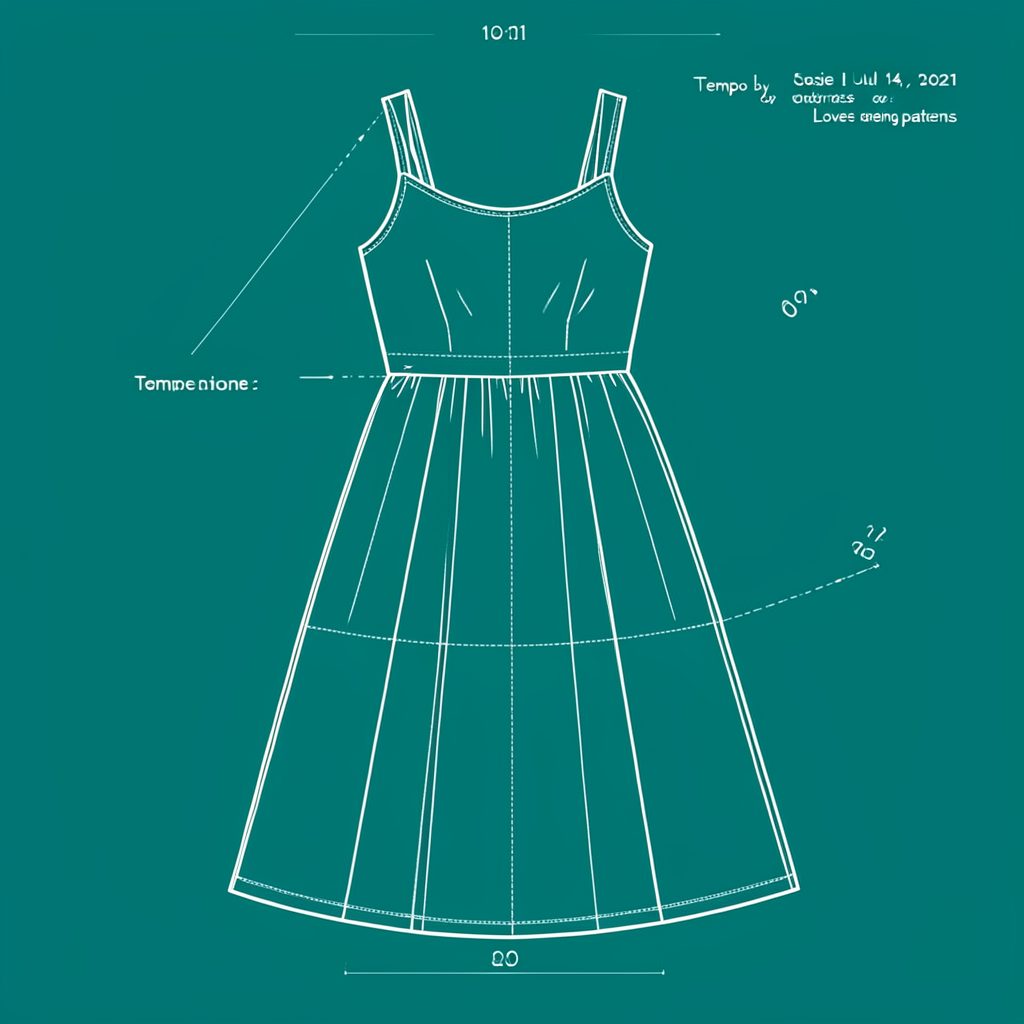
A DIY Linen Summer Dress Using The True Bias Emerson Pattern
Linen is one of those fabrics that makes a handmade garment feel instantly connected to summer. It is breathable, comfortable in warm weather and wonderfully tactile, with a relaxed texture that becomes softer after every wash. A simple linen dress can work for a trip to the coast, a market morning or an ordinary day when you want to wear something made with care.
For this project, the True Bias Emerson pattern provides a useful foundation for a breezy, uncomplicated dress. Its clean lines let the fabric take centre stage, while small changes to length, shaping and finishing can make the result feel personal rather than shop-bought.
This is the kind of sewing project that suits an adventurous beginner, although experienced sewists will also appreciate the opportunity to focus on fabric, fit and beautiful construction. You can find more about the person behind the projects on the about Josie page before gathering your supplies and planning your own version.
Choosing Linen For A Summer Dress
The best linen for this project depends on the amount of structure you want. A medium-weight linen or linen blend is a dependable choice because it has enough body to support seams and hems without feeling heavy in warm weather. Lightweight linen creates a softer, floatier garment, but it may need a lining or careful seam finishing if it is particularly sheer.
Pure linen creases, and that is part of its appeal. If you prefer a slightly smoother appearance, look for a linen-cotton blend, linen-viscose or washed linen. These alternatives can still provide the cool handle of linen while reducing some of the crispness and intense wrinkling associated with a newly cut piece of flax fabric.
Hold the fabric up to a window before buying or cutting. Check for transparency, uneven weaving and any slubs that might distract from the design. Small imperfections are natural in linen, but a large flaw across the centre front is best avoided. Buy a little extra fabric if you want to pattern match stripes or allow for generous prewashing.
Preparing The Fabric And Pattern
Prewash linen in the same way you intend to launder the finished dress. A gentle machine wash followed by air-drying is a practical approach for most everyday garments. Press the fabric while it is still slightly damp, then allow it to become completely dry before laying out the pattern pieces.
Linen can shift on the cutting table, especially when it is loosely woven. Use a large surface, plenty of pattern weights and a sharp rotary cutter or shears. Follow the grain carefully, and look at the crosswise threads along the cut edge to check that the fabric has not been pulled out of square.
Read through the Emerson instructions before cutting. Mark notches, darts, pocket points and centre lines clearly, using tailor’s tacks or a removable fabric marker. If your fabric has a distinct right and wrong side, label each piece immediately; washed linen can make the two sides surprisingly difficult to distinguish.
Making A Wearable First Version
A test garment is worthwhile if you are changing the pattern substantially or using expensive linen. Calico, cotton lawn or an inexpensive linen blend can reveal whether the neckline, bodice or waist sits where you expect. It also gives you a chance to decide whether the finished length works with your shoes and preferred proportions.
Take measurements rather than selecting a size from ready-to-wear clothing. Compare your body measurements with the pattern chart, then check the finished garment measurements for ease. A summer dress should skim rather than cling, but excess ease can make a lightweight fabric look untidy or cause the armholes to gape.
| Project decision | Practical choice | Why it works |
|---|---|---|
| Fabric | Medium-weight washed linen | Offers breathability with useful structure |
| Needle | Universal or microtex 70/80 | Helps create neat stitches without bulky holes |
| Seam finish | French seams or overlocked edges | Controls fraying and keeps the inside polished |
| Hem | Narrow double-fold hem | Suits a relaxed dress and reduces bulk |
| Pressing | Steam and a pressing cloth | Shapes seams while protecting the linen surface |
If the pattern includes options for length or shaping, alter one feature at a time. Extending the hem is straightforward, but remember that the finished skirt may need extra width to maintain a comfortable stride. For a more defined silhouette, consider subtle waist shaping instead of taking in every side seam.
Sewing The Dress Neatly
Begin with a fresh needle and a good-quality all-purpose thread. Linen sheds fibres as it is handled, so keep the machine area clear and brush away lint before it builds up around the feed dogs. A stitch length of roughly 2.5 to 3mm is often suitable, although a scrap test will tell you whether the fabric puckers.
Stay-stitch curved edges as soon as the relevant pieces are cut. This small step prevents the neckline and armholes from stretching while you sew. Press every seam as you go, first flat to settle the stitches and then in the direction required by the construction. Good pressing often makes a greater difference than sewing speed.
Linen frays readily, so finish raw edges before they become difficult to control. An overlocker gives a quick, professional result, but pinking shears, zigzag stitching or French seams can work well too. Keep bulky finishes away from areas where several seams meet, particularly around the waist and neckline.
Take extra care with the hem. Try the dress on with the shoes you expect to wear, stand naturally and ask someone to check the level around your body. Linen may relax slightly with wear, so a short hanging period before final hemming can help you achieve an even finish.
Adding Personal Details
The simplest way to customise a linen Emerson dress is through colour. Natural flax shades create a minimalist wardrobe staple, while rust, indigo, olive and soft coral bring more character without making the garment difficult to style. A narrow contrast facing or a small printed pocket can add interest while keeping the main design calm.
Pockets are especially valuable in an everyday summer dress. If the pattern does not include the pocket style you want, check that an addition will not interfere with darts, side seams or the skirt volume. Make a paper mock-up first and pin it to the toile or a similar garment to test the position.
You can also experiment with topstitching, visible bar tacks or a feature button. Keep embellishment practical: linen already has a strong visual texture, and too many decorative details can compete with its natural beauty. A carefully chosen thread colour and consistent pressing will usually look more polished than elaborate decoration.
Styling And Caring For Linen
A linen dress is easy to dress up or down. Wear it with sandals and a woven bag for warm days, or add a cropped cardigan and trainers when the temperature drops. A belt can change the silhouette, while a long necklace or colourful earrings can bring focus to a simple neckline.
Wash the finished garment according to the fabric manufacturer’s instructions, preferably with similar colours and a mild detergent. Avoid overcrowding the machine, as linen needs room to move. Shake the dress out after washing, smooth the seams by hand and dry it on a hanger or line rather than leaving it crumpled in a basket.
For reliable results on future projects:
- Prewash every linen or linen blend before cutting.
- Make a quick toile when altering the pattern or changing the fit.
- Press each seam before moving to the next construction step.
- Finish raw edges promptly to prevent excessive fraying.
- Store the dress folded or hanging loosely, never tightly compressed.
If you enjoy practical sewing notes, fabric ideas and new independent-pattern projects, you can join the email list for updates from the studio. It is a useful way to keep track of seasonal makes without relying on social media feeds.
Enjoying A Dress Made By Hand
The pleasure of this project is in its flexibility. The same pattern can produce a quiet neutral dress, a bright holiday version or a softly striped design with a completely different personality. Linen rewards patience, so take time with grainlines, pressing and final fitting rather than rushing to reach the hem.
Keep notes about the size chosen, alterations made, fabric width and washing method. Those details will make the next version faster and help you identify which adjustments genuinely improved the fit. If you share photographs or pattern links, review the site’s making disclaimer so you know how recommendations and disclosures are handled.
Cut your linen, prepare a small fitting sample and let the fabric guide the finished style. A thoughtfully sewn Emerson dress can become a reliable warm-weather favourite: cool, comfortable and unmistakably your own.
Popular Pattern Reviews
| Pattern | Designer | Type | Highlight |
|---|---|---|---|
| Compose Robe (Kids) | Love Notions | Robe / Loungewear | Sizes 2T–16, cosy & practical |
| Tempo Sundress | Love Notions | Sundress | No closures, shirred back panel |
| Arlington Sweater | Love Notions | Sweater | Cold-weather staple |
| Sybil Illusion Skirt | Love Notions | Skirt (knit) | 7 variations, optional pockets |
| Camden Pinafore | Nina Lee Patterns | Pinafore dress | Year-round layering piece |
| Ogden Cami (dress hack) | True Bias | Cami / Dress | Versatile wardrobe builder |
| Burda 6829 | Burda | Dress | Multi-sized, special-occasion |
Stay in Touch
Subscribe to the newsletter for sewing inspiration, pattern tips, and project ideas delivered straight to your inbox.