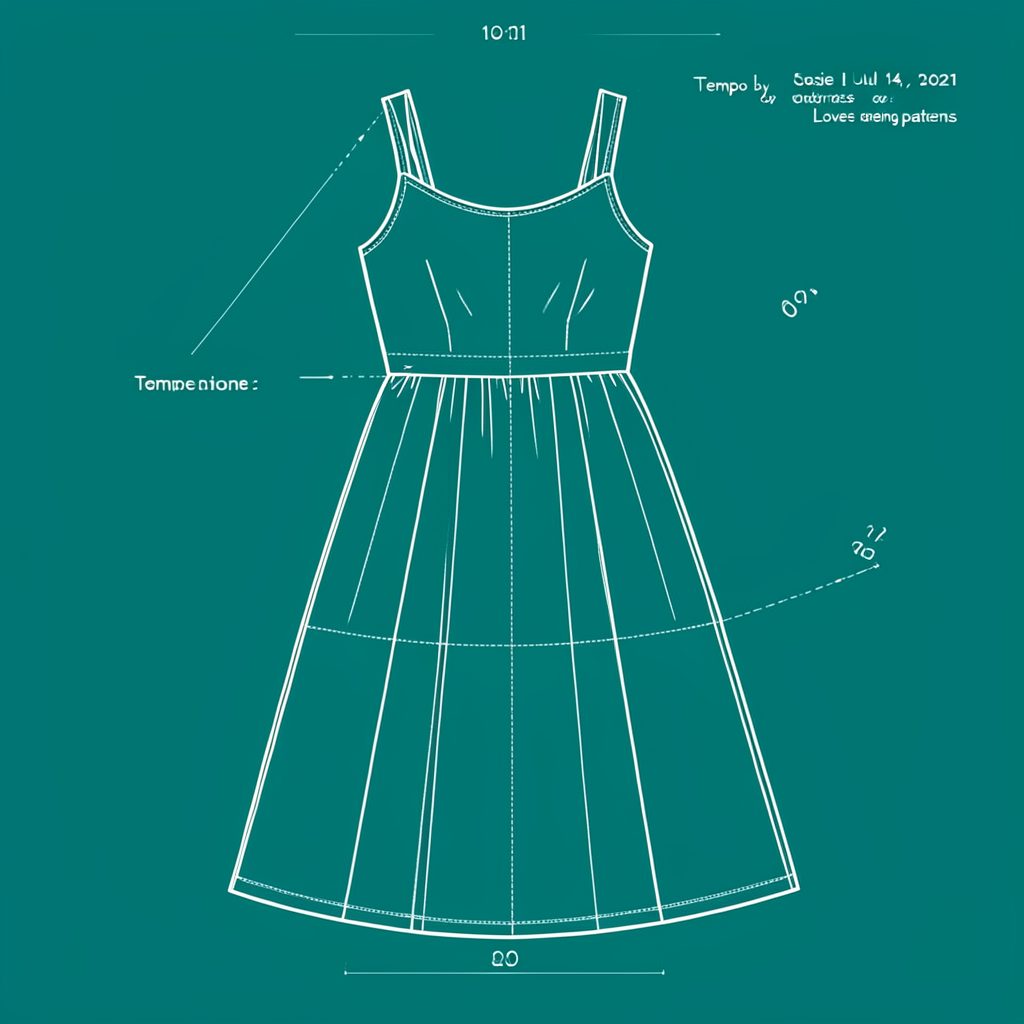
Fabric Comparison: Double Gauze vs. Rayon for Summer Tops
Choosing fabric for a summer top can change the entire sewing experience, from cutting and handling to the way the finished garment hangs on the body. Double gauze and rayon are both popular warm-weather fabrics, but they create very different results. One gives a soft, airy, gently crumpled look, while the other offers fluid movement and a smoother drape.
This comparison is useful when deciding between fabrics for an indie sewing pattern, especially loose blouses, relaxed tees, woven camisoles, and gathered tops. The best choice depends on the pattern design, your preferred level of sewing challenge, and whether you want structure or swish.
For UK sewists, fabric availability can also influence the decision. Cotton double gauze is often easy to find from independent retailers, while rayon may be sold under names such as viscose, challis, or rayon crepe. Checking the fibre content and fabric width before buying will help you plan accurately.
The Character Of Double Gauze
Double gauze is made from two fine layers of loosely woven cotton joined at regular points. It feels light and breathable, but it has more body than many drapey dressmaking fabrics. The surface is often softly textured, which gives handmade garments a relaxed, effortless appearance.
This cotton fabric is particularly comfortable in warm weather because air can circulate through the open weave. It absorbs moisture well and usually feels pleasant against the skin. The slight texture also disguises minor creasing, making it a practical option for everyday summer clothing.
The fabric can vary considerably between suppliers. Some versions are delicate and almost sheer, while others are substantial enough for an unlined top. Hold the material up to a window before purchasing, and consider whether you need a second layer, a camisole, or a partial lining.
Why Rayon Feels So Different
Rayon is a regenerated cellulose fibre, commonly produced from wood pulp. It is known for its fluid drape, cool touch, and soft movement. Depending on the weave, it may be called viscose, rayon challis, rayon crepe, or a similar name, with each version offering a slightly different surface and weight.
For summer tops, rayon creates a polished silhouette. It falls neatly from the shoulders, follows the body without clinging too tightly, and moves beautifully through sleeves, gathers, and hems. A pattern with a curved yoke, flutter sleeve, or tie detail can look especially elegant in a fluid fabric.
Rayon does require more care during sewing. It may shift while cutting, stretch at the shoulders, and fray along unfinished edges. It can also shrink or change texture during washing, so pre-washing is essential. Treating it gently from the beginning helps preserve the finished garment’s fit.
Comparing Comfort, Drape, And Care
Double gauze and rayon can both make cool, wearable tops, but they suit different priorities. Double gauze is forgiving and softly structured; rayon is fluid and refined. The comparison below gives a quick overview before you commit to a pattern and fabric pairing.
| Feature | Double Gauze | Rayon |
|---|---|---|
| Fibre | Usually cotton | Regenerated cellulose |
| Drape | Soft with gentle body | Fluid and flowing |
| Breathability | Very good | Very good |
| Sewing difficulty | Beginner-friendly with care | More slippery and demanding |
| Creasing | Visible but softened by texture | Can crease noticeably |
| Opacity | Varies; may need lining | Usually varies by print and weight |
| Best for | Relaxed tops, gathered styles, casual layers | Blouses, camisoles, draped and floaty designs |
| Washing | Often machine washable after testing | Needs careful pre-washing and laundering |
| Hem finish | Simple narrow or turned hem | Narrow hem, baby hem, or specialist finish |
The fabric’s behaviour should guide the pattern choice. A boxy top with a straight hem can work well in double gauze, whereas rayon may look underwhelming if the design depends on crisp edges. Conversely, a soft gathered blouse may become bulky in cotton double gauze but beautifully fluid in rayon.
Matching Fabric To A Sewing Pattern
When reading a pattern recommendation, look for clues about weight, drape, and stretch rather than relying only on fibre names. A pattern designed for woven fabrics may accept both options, but the finished garment could be very different. The same neckline, sleeve, and hem can look casual in double gauze and dressy in rayon.
Double gauze suits patterns with ease through the body and uncomplicated construction. Consider a relaxed Love Notions woven top, a loose pullover, or a simple gathered style. Avoid very tight facings and sharply pressed details unless the fabric has enough density to support them.
Rayon is a strong choice for designs that depend on movement. Wide sleeves, softly gathered necklines, bias-cut details, and longer hemlines can benefit from its weight and fluidity. However, a highly fitted bodice may need stabilising at shoulder seams, armholes, and neckline edges to prevent distortion.
Before cutting, make a small test using scraps. Sew a sample seam, press it, and check whether the fabric stretches, puckers, or frays. This simple step can reveal whether the selected needle, thread, and seam finish are suitable.
Cutting And Sewing Considerations
Double gauze is relatively stable, but its open weave can catch on rough surfaces and unravel at cut edges. A fresh rotary blade, sharp scissors, and a clean cutting surface make a difference. Avoid stretching the fabric while transferring markings, and use fine pins or clips to prevent unnecessary holes.
Rayon benefits from extra support during cutting. Place it on a large flat surface rather than allowing it to hang over the edge of a table. Pattern weights can reduce distortion, and a single layer layout may be more accurate for slippery or directional prints. Mark notches lightly with chalk or removable pen.
For either fabric, use a fine universal or microtex needle, depending on the weave, and test the stitch length on a spare piece. A slightly shorter stitch can help with lightweight seams, but an overly short stitch may weaken the fabric. Keep the machine tension balanced and avoid pulling the garment through the feed dogs.
Necklines and shoulder seams deserve special attention. Lightweight cotton interfacing can support double gauze, while clear elastic or a narrow strip of stay tape can help control rayon. For further guidance, these lightweight seam finishes can be adapted to many summer garments.
Finishing And Caring For The Garment
A well-chosen seam finish improves comfort and durability. Double gauze often responds well to pinked seams, overlocking, French seams, or a neatly trimmed zigzag, depending on its thickness. French seams can be especially attractive when the inside of the garment may be visible, though they can add bulk to very loose weaves.
Rayon usually benefits from a clean finish because it frays readily. Overlocking is efficient, but French seams or enclosed seams create a more polished interior. A narrow hem is often the most successful finish for a curved rayon hem, while a wider double-fold hem may suit a heavier version.
Always follow the fabric supplier’s care guidance and wash a sample before making the garment. Cotton double gauze may become softer and more textured after washing. Rayon should generally be washed in the same way you plan to launder the finished top, since heat and agitation can affect its dimensions.
If you are sharing a project or reviewing a pattern, be transparent about gifted materials, affiliate relationships, or sponsored supplies. The site’s disclosure policy explains how those relationships are handled, which is useful context when assessing fabric and pattern recommendations.
Practical Choices For Your Next Top
The right material depends on the look and routine you want from the garment. These guidelines can narrow the decision before you order fabric:
- Choose double gauze for a breathable, casual top with a softly textured finish.
- Choose rayon for fluid sleeves, elegant movement, and a more draped silhouette.
- Pick double gauze when you are still building confidence with lightweight woven fabrics.
- Pick rayon when the pattern specifically calls for drape and you are comfortable with careful cutting.
- Make a toile or test seam when the garment includes a fitted neckline, bias sections, or delicate gathers.
Think about how the top will be worn as well as how it will look on a hanger. A double gauze blouse can become a dependable everyday layer with jeans or shorts, while a rayon version may work for holidays, dinners, and occasions that call for a softer, more polished outfit.
Both fabrics are worthwhile additions to a summer sewing collection. Double gauze offers ease, comfort, and a forgiving construction process; rayon rewards patience with graceful movement and an elegant finish. Browse your pattern stash, handle fabric samples in natural light, and choose the combination that matches the garment you want to wear repeatedly.
Popular Pattern Reviews
| Pattern | Designer | Type | Highlight |
|---|---|---|---|
| Compose Robe (Kids) | Love Notions | Robe / Loungewear | Sizes 2T–16, cosy & practical |
| Tempo Sundress | Love Notions | Sundress | No closures, shirred back panel |
| Arlington Sweater | Love Notions | Sweater | Cold-weather staple |
| Sybil Illusion Skirt | Love Notions | Skirt (knit) | 7 variations, optional pockets |
| Camden Pinafore | Nina Lee Patterns | Pinafore dress | Year-round layering piece |
| Ogden Cami (dress hack) | True Bias | Cami / Dress | Versatile wardrobe builder |
| Burda 6829 | Burda | Dress | Multi-sized, special-occasion |
Stay in Touch
Subscribe to the newsletter for sewing inspiration, pattern tips, and project ideas delivered straight to your inbox.