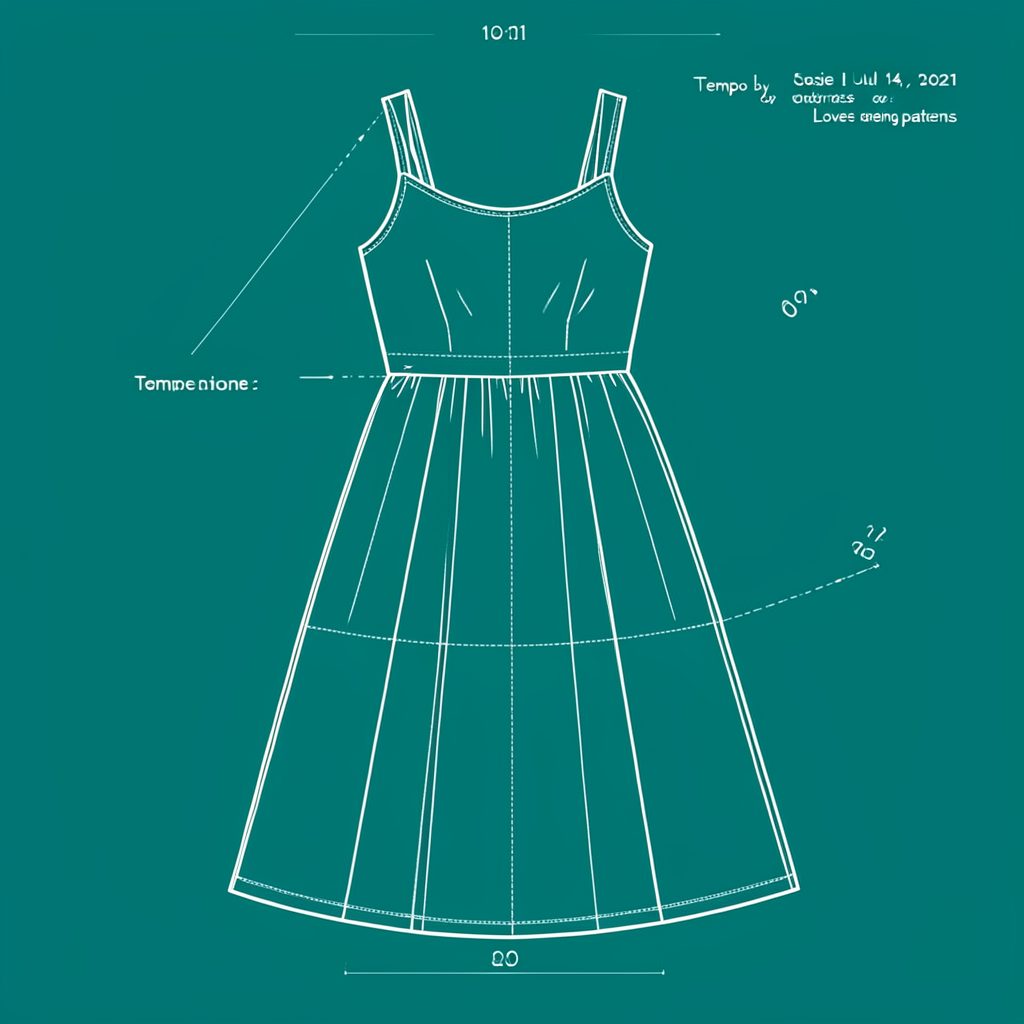
Choosing Jersey Fabric For Better Handmade T-Shirts
A well-fitting T-shirt begins long before the first seam is sewn. The fabric affects the shape, comfort, durability and even how easy the garment is to construct. A pattern designed for a light, fluid knit can look stiff in a stable cotton jersey, while a loose-fitting T-shirt may lose its character in a fabric with too much drape.
Jersey is available in an enormous range of fibres, weights, finishes and stretch percentages. Cotton elastane is often the safest starting point, but viscose, modal, bamboo, polyester and blended knits can all produce excellent results when matched to the right design.
This fabric guide focuses on practical choices for home sewists, whether you are making a simple everyday tee, a fitted Love Notions pattern or experimenting with another independent designer. A few quick checks before cutting can prevent twisting hems, stretched neckbands and a finished garment that feels nothing like the sample.
Start With Fibre And Fabric Structure
Cotton jersey is a dependable choice for casual T-shirts. It usually has a familiar handle, moderate drape and good breathability, making it suitable for everyday tops. Adding a small percentage of elastane improves recovery, helping the neckline and cuffs return to shape after wearing. A cotton jersey with 95% cotton and 5% elastane is a useful all-purpose option.
Viscose, rayon, modal and bamboo jerseys tend to feel cool, soft and fluid against the skin. They create beautifully draped tops, but their movement can make cutting and sewing more demanding. These fabrics may grow during wear, especially in longer garments, so allow the cut pieces to rest flat before construction.
The knit structure matters as much as the fibre. Single jersey is lightweight and commonly used for T-shirts, but its edges may curl. Interlock is thicker and more stable because it is knitted differently on both sides. It can be a good choice for beginners or for a structured tee. Ponte and other double knits are generally too stable and heavy for a relaxed summer T-shirt, though they work well for sharper tops and dresses.
Match Weight And Drape To The Pattern
Fabric weight is often described in grams per square metre, or GSM. The number is useful, but it should be considered alongside drape and stretch. A lightweight jersey may feel airy and soft, while a medium-weight knit gives more coverage and produces a cleaner silhouette.
For many T-shirts, a fabric in the broad region of 140–200 GSM is practical. Lightweight jerseys can be excellent for loose, flowing tops, but they may show every seam allowance and curl at the edges. Heavier jerseys provide more structure and are often easier to handle, although they can feel warm or bulky when gathered.
The pattern description should guide the decision. If it recommends a drapey knit with four-way stretch, a firm cotton interlock may prevent the intended fit. If the design has a close neckline, fitted sleeves or a shaped waist, a jersey with reliable recovery is usually more important than a very soft handle.
When comparing fabrics, consider how each one will behave in the actual garment:
| Jersey type | Typical feel and behaviour | Good T-shirt uses | Points to check |
|---|---|---|---|
| Cotton elastane | Breathable, familiar, moderate recovery | Everyday tees, fitted styles, children’s tops | Can shrink; check print alignment |
| Cotton interlock | Stable, smooth and slightly heavier | Beginner-friendly tees, structured shapes | May feel warm or bulky |
| Viscose jersey | Soft, fluid and drapey | Relaxed tops, gathered or longer styles | Can grow and shift while cutting |
| Modal or bamboo blend | Very soft with excellent drape | Comfortable layering tops | Recovery varies by blend |
| Polyester jersey | Durable, quick-drying and often stable | Sportswear, travel and active tops | Can retain warmth or feel less breathable |
| Ponte or double knit | Dense, stable and polished | Structured tops and transitional garments | Often too heavy for a basic tee |
Check Stretch And Recovery Before Cutting
Stretch percentage is the amount a fabric can extend from its original measurement. To test it, place a ruler beside the crosswise grain and mark a ten-centimetre section. Gently stretch the fabric without distorting it. If the section reaches twelve centimetres, it has approximately 20% stretch.
The pattern may specify a minimum stretch, such as 30%, or distinguish between two-way and four-way stretch. Most T-shirts need useful crosswise stretch, since the body must pass through the neckline and armholes. A very fitted pattern may need stretch in both directions, while a relaxed shape may be more forgiving.
Recovery is equally important. Release the stretched fabric and see whether it returns close to its original length. Poor recovery can cause a neckline to gape, shoulder seams to drop and elbows or waistlines to remain bagged out. A fabric with slightly less stretch but excellent recovery may perform better than an extremely stretchy knit.
Always test the fabric after laundering. Wash and dry a small sample in the way you intend to care for the finished T-shirt, then measure it again. Shrinkage, twisting and changes in softness are much easier to manage before the fabric has been cut.
Consider Colour, Print And Surface Finish
A plain jersey is often the simplest choice for a first project, but stripes and directional prints can add useful fitting information. Horizontal stripes reveal uneven hems and side seams, while narrow stripes require careful matching. If the fabric has a one-way design, remember to check whether every pattern piece must be cut in the same direction.
The surface finish also affects wear. Brushed or peach-finished jersey feels warm and soft, but it may pill more readily. Rib knit is ideal for neckbands and cuffs because it has strong crosswise stretch, although it may look too pronounced when used for a whole T-shirt. Slub jersey has an attractive textured appearance, but its uneven thickness can make small details less precise.
For pale or lightweight fabric, hold it up to the light and check opacity. A fabric that seems sufficiently covered on the roll may become transparent across the bust or when stretched. A camisole, lining layer or slightly heavier alternative can solve the issue, but it is better to identify it during planning.
Plan Construction Around The Knit
Use a ballpoint or stretch needle so the needle slips between the knitted loops rather than damaging them. A polyester thread and a narrow zigzag, lightning stitch or stretch overlock seam will usually provide enough flexibility for a home-sewn T-shirt. Test the settings on scraps, particularly where seams will be pulled during dressing.
Stabilise shoulder seams with clear elastic, twill tape or a narrow strip of stable knit. This prevents the shoulder from stretching out and helps the garment retain its shape. A twin needle or coverstitch can create a flexible professional-looking hem, while a zigzag hem is a useful alternative for a basic machine.
Sleeves can be especially revealing when the fabric choice is unsuitable. A slippery, fluid jersey may shift around the armscye, whereas a stable knit can make easing much easier. For a calm, repeatable approach, use these steps for perfect sleeve insertion alongside careful pinning and a matching seam allowance.
Necklines deserve similar attention. A neckband cut too long will pull the neckline closed, while one cut too short can create puckering. Stable rib or cotton elastane often works well, and pressing the finished band with steam can help it settle without stretching.
Make The Most Of Your Fabric
Buy enough fabric for pattern placement, shrinkage and possible matching. A stripe, large motif or directional print can use considerably more than a plain knit. Before cutting, identify the greatest stretch direction and place the pattern’s stretch arrow across it. Keep the grainline consistent, even if the fabric appears to have no obvious woven grain.
A small amount of planning can also add everyday practicality. If your T-shirt design has no pockets, explore these pocket ideas before cutting, as a pocket can affect print placement and fabric requirements. Save scraps for neckband testing, hem samples and future repairs.
For a neat neckline or a decorative edge, a lightweight knit can sometimes be finished with binding rather than a conventional band. When a project calls for a clean bound edge, these instructions for continuous bias binding provide a useful construction reference, although a stretch-friendly binding method may be needed for a jersey neckline.
A Reliable Shopping And Sewing Checklist
Before committing to a length of jersey, run through these practical checks:
- Compare the fabric’s stretch percentage with the pattern requirements.
- Wash a sample and measure for shrinkage, twisting and recovery.
- Choose cotton elastane or a stable interlock for an approachable first knit project.
- Match drape to the design: fluid jersey for relaxed shapes, firmer jersey for structure.
- Check opacity, print direction, pilling risk and the amount needed for pattern matching.
The best jersey for a T-shirt is the one that supports the pattern’s intended fit and suits the way you will wear and wash it. Keep a small swatch with notes about fibre content, GSM, stretch and laundering, and future fabric shopping becomes much more predictable.
Choose a manageable pattern, test your fabric before cutting and enjoy the process of turning a carefully selected knit into a T-shirt you will reach for often.
Popular Pattern Reviews
| Pattern | Designer | Type | Highlight |
|---|---|---|---|
| Compose Robe (Kids) | Love Notions | Robe / Loungewear | Sizes 2T–16, cosy & practical |
| Tempo Sundress | Love Notions | Sundress | No closures, shirred back panel |
| Arlington Sweater | Love Notions | Sweater | Cold-weather staple |
| Sybil Illusion Skirt | Love Notions | Skirt (knit) | 7 variations, optional pockets |
| Camden Pinafore | Nina Lee Patterns | Pinafore dress | Year-round layering piece |
| Ogden Cami (dress hack) | True Bias | Cami / Dress | Versatile wardrobe builder |
| Burda 6829 | Burda | Dress | Multi-sized, special-occasion |
Stay in Touch
Subscribe to the newsletter for sewing inspiration, pattern tips, and project ideas delivered straight to your inbox.