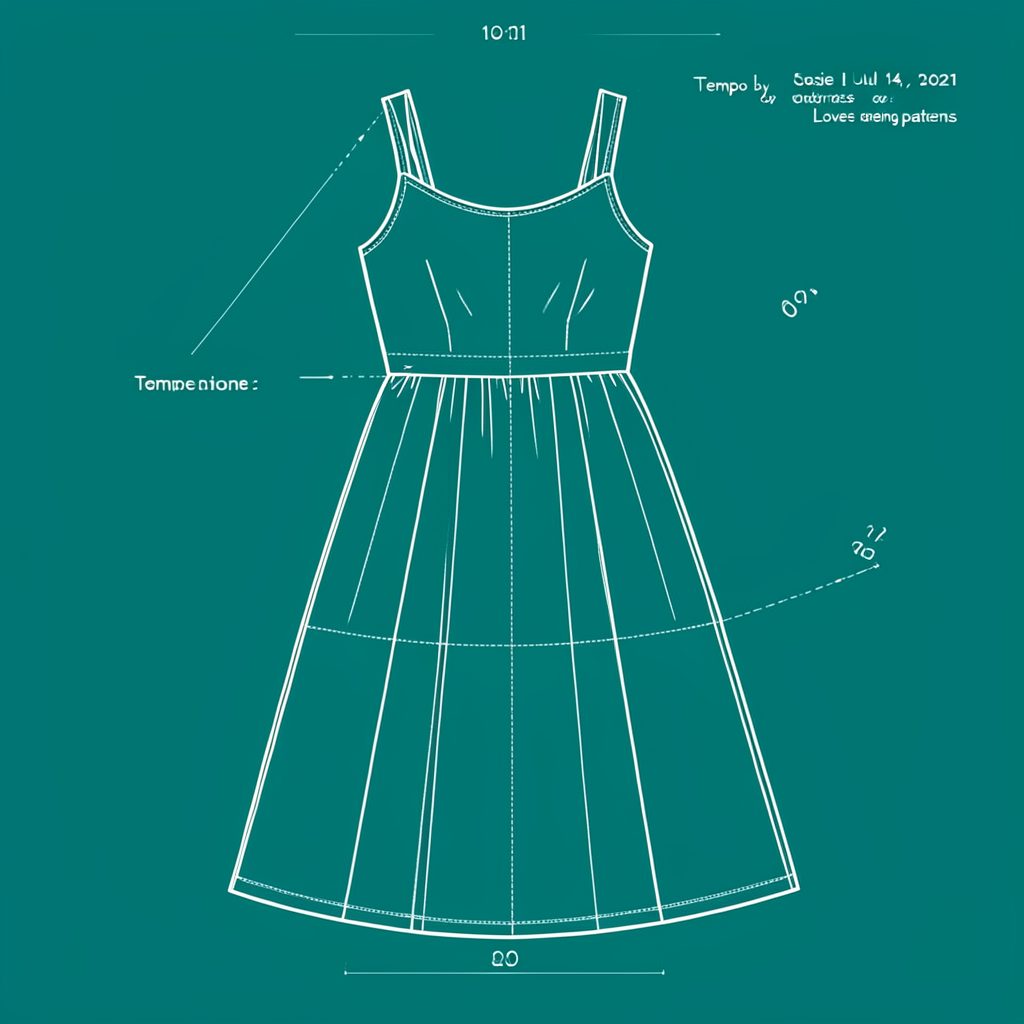
Fabric Recommendations for Beginners Sewing an Indie Pattern
Choosing fabric for your first indie sewing pattern can feel almost as important as choosing the pattern itself. The right material makes cutting easier, helps seams behave, and gives you a much better chance of enjoying the sewing process. The wrong one may stretch, fray, shift, or refuse to press neatly at every stage.
Independent designers such as Love Notions usually provide detailed fabric guidance, but those recommendations can include several fabric types with very different handling requirements. Learning how to compare weight, stretch, drape, and fibre content will help you make a confident choice rather than relying on colour alone.
A first project is a useful opportunity to practise construction skills without making the fabric fight back. You do not need the most expensive dressmaking cloth in the shop. You need a material that suits the pattern, matches your current skills, and is easy to find in a quantity large enough for your size and chosen view.
Start With The Pattern Requirements
Read the fabric section before buying anything. Look for specific details such as woven or knit fabric, recommended stretch percentage, fabric weight, width, and whether the pattern needs drape or structure. These instructions are more useful than a general label such as “dress fabric” or “jersey”.
A pattern calling for stable knit fabric will behave very differently from one designed for lightweight woven cotton. A T-shirt may need two-way or four-way stretch and good recovery, while a button-front blouse may require a non-stretch woven. If the pattern includes several views, check whether each version has different fabric requirements.
Love Notions patterns often include practical information about fabric suitability and stretch. Measure your chosen fabric rather than trusting the description alone, especially when shopping online. Retailers may use terms such as “medium weight” inconsistently, so check the listed fibre content, width, and measurements wherever possible.
Woven Fabrics That Forgive Small Mistakes
For many beginners, cotton lawn, cotton poplin, cotton voile, and lightweight linen blends are approachable options for woven garments. They are usually easy to cut, press, and sew, with enough stability to prevent the pattern pieces from stretching out of shape. Cotton poplin is particularly useful for shirts, simple dresses, gathered skirts, and pyjama-style trousers.
Midweight linen or a linen-cotton blend can also be a good choice when a pattern needs more body. Linen has a distinctive texture and creases naturally, so it is worth considering whether you like that relaxed appearance before cutting into it. A blend may be easier to care for and less prone to dramatic wrinkling.
Quilting cotton is tempting because it is widely available and comes in appealing prints. However, it can be too stiff for garments that need soft movement, and it may make gathers or shaped seams look bulky. It works well for structured skirts, simple tops, children’s clothing, and wearable toile versions, but it is not automatically suitable for every woven pattern.
Beginner-Friendly Knits And Stretch Fabrics
If your first indie pattern is a T-shirt, lounge set, or knit dress, choose a stable jersey rather than a very thin or slippery fabric. Cotton jersey with a little elastane is often a sensible starting point because it has a familiar feel, moderate stretch, and better recovery than plain cotton jersey.
French terry and sweatshirt fleece are useful for casual garments such as hoodies, joggers, and sweatshirts. They are thicker than T-shirt jersey, so check the pattern’s recommended weight and make sure your sewing machine can handle multiple layers. A ballpoint or stretch needle, polyester thread, and a narrow zigzag or stretch stitch will usually produce more reliable results than a standard sharp needle and straight stitch.
Avoid starting with highly fluid rayon jersey, ribbing with extreme stretch, glitter knits, or very lightweight athletic fabric unless the pattern specifically requires them. These materials can be rewarding later, but they make accurate cutting and seam control more demanding. For extra guidance on hands-on projects, browse these DIY sewing projects for ideas that suit different levels of experience.
Compare Your Main Fabric Options
The best first fabric depends on the garment, but the options below give a useful starting point when you are weighing ease of use against the finished effect.
| Fabric | Best For | Handling Level | Main Benefit | Watch Out For |
|---|---|---|---|---|
| Cotton poplin | Shirts, simple dresses, skirts | Easy | Stable and easy to press | May feel too crisp for drapey styles |
| Cotton lawn | Blouses, summer dresses, gathered garments | Easy to moderate | Lightweight and smooth | Can be slightly transparent |
| Linen-cotton blend | Tops, dresses, relaxed trousers | Easy to moderate | Breathable with gentle structure | Creases and may soften after washing |
| Cotton-elastane jersey | T-shirts, knit dresses, leggings | Moderate | Stretchy with good recovery | Requires suitable needle and stitch |
| French terry | Sweatshirts, joggers, casual layers | Moderate | Stable knit with comfortable weight | Bulkier seams and hems |
| Rayon challis | Blouses, skirts, loose dresses | Advanced for a first project | Beautiful drape and movement | Slippery, shifty, and difficult to cut |
Check Stretch, Drape, And Recovery
Stretch percentage is one of the most important measurements for a knit pattern. To test it, place a ruler beside a ten-centimetre section of fabric, hold the material without distorting it, and stretch it across the ruler. If it reaches twelve centimetres, it has approximately twenty per cent stretch. Repeat the test across the width and length if the pattern specifies a particular direction.
Recovery describes how well fabric returns to its original size after stretching. Pull a strip gently, release it, and see whether it springs back or stays visibly extended. Poor recovery can cause necklines, cuffs, waistbands, and fitted areas to sag during wear, even when the fabric technically meets the stretch requirement.
Drape matters just as much for woven fabrics. Hold a corner of the cloth and observe whether it falls in soft folds or sticks out with crisp structure. A gathered blouse made from lawn will look delicate and fluid, while the same design in poplin may appear fuller and more sculptural. Neither is necessarily wrong, but the result will be different from the photograph.
Buy Enough And Prepare It Properly
Check the fabric width before calculating how much to buy. A pattern may require less fabric at 150 centimetres wide than at 110 centimetres wide, and directional prints, stripes, nap, or large motifs may increase the amount needed. Buy a little extra if you are matching checks, working with a difficult print, or still developing confidence with cutting.
Prewash the fabric in the way you intend to launder the finished garment. Cotton and linen can shrink, sometimes noticeably, and knits may change length after their first wash. Drying the fabric as you plan to dry the garment gives you a more realistic result than washing it gently once and treating the finished piece differently.
Press the fabric before laying out the pattern, and allow it to rest if it has been rolled or folded for a long time. Straighten the grain by tearing, pulling a thread, or carefully aligning the selvedges, depending on the material. These small preparation steps improve cutting accuracy and can prevent a garment from twisting after it is sewn.
Make A Low-Risk First Choice
A toile is helpful when the fit is unfamiliar, but it does not always need to be made from old, poor-quality fabric. A budget cotton or inexpensive jersey in a wearable colour can become a useful first version while showing you how the pattern fits and how the instructions are written.
Choose a print or solid colour that makes construction details visible. Very dark fabric can hide seam lines, and large motifs may distract from fitting issues. A medium-coloured, stable fabric makes it easier to mark notches, inspect stitches, and photograph progress for your own notes.
Keep your receipt and a small fabric swatch with the pattern after buying supplies. Record the fibre content, washing method, size cut, and any alterations you make. If a garment turns out especially comfortable, those notes will make it much easier to select fabric for the next version. If you need help deciding between pattern views or materials, you can get in touch for a friendly route to further sewing guidance.
A Simple Buying Checklist
Before placing fabric in your basket, run through these practical checks:
- Confirm whether the pattern requires a woven, knit, or stretch woven fabric.
- Measure stretch and recovery instead of relying on the retailer’s description.
- Match the fabric’s drape and weight to the garment photograph and design details.
- Buy enough fabric for its width, print direction, nap, and possible shrinkage.
- Prewash, dry, and press the fabric before cutting the pattern pieces.
Your first indie pattern does not need a complicated fabric to become a successful garment. Start with a stable material that meets the designer’s specifications, practise on a manageable project, and let the fabric support your learning. Once you understand how cottons, jerseys, linens, and drapey cloths behave, choosing fabric becomes a creative decision rather than a source of uncertainty. Browse a pattern you genuinely want to wear, select a beginner-friendly fabric, and begin with enough preparation to enjoy every stage.
Popular Pattern Reviews
| Pattern | Designer | Type | Highlight |
|---|---|---|---|
| Compose Robe (Kids) | Love Notions | Robe / Loungewear | Sizes 2T–16, cosy & practical |
| Tempo Sundress | Love Notions | Sundress | No closures, shirred back panel |
| Arlington Sweater | Love Notions | Sweater | Cold-weather staple |
| Sybil Illusion Skirt | Love Notions | Skirt (knit) | 7 variations, optional pockets |
| Camden Pinafore | Nina Lee Patterns | Pinafore dress | Year-round layering piece |
| Ogden Cami (dress hack) | True Bias | Cami / Dress | Versatile wardrobe builder |
| Burda 6829 | Burda | Dress | Multi-sized, special-occasion |
Stay in Touch
Subscribe to the newsletter for sewing inspiration, pattern tips, and project ideas delivered straight to your inbox.