Choosing Fabrics For Warm, Wearable Winter Outerwear
A winter coat has to do several jobs at once. It should keep out cold wind and rain, feel comfortable over layers, survive regular wear, and still be manageable under a domestic sewing machine. The right fabric makes each of those goals easier, while an unsuitable choice can leave even a carefully sewn jacket bulky, chilly, or difficult to fit.
For sewists in Yorkshire and elsewhere in the UK, changing weather makes fabric selection especially important. A polished wool coat may be ideal for crisp, dry days, while a waterproof jacket or insulated parka is more useful for a damp walk. Thinking about warmth, weather resistance, structure, and care before buying helps you choose a material that suits both the pattern and your everyday life.
On Josie’s sewing blog, Josephine shares practical project ideas, indie pattern experiences, and approachable advice for making garments that earn their place in a handmade wardrobe. Those same principles are useful when planning a substantial outerwear project.
Start With The Weather And The Pattern
Begin by deciding what conditions the finished garment must handle. A smart city coat may need warmth and wind resistance but little waterproofing. A casual jacket for dog walks will benefit from a hard-wearing outer layer, a roomy fit, and perhaps a hood. Your intended use determines whether you should prioritise wool, weatherproof fabric, insulation, or easy care.
The pattern’s recommendations are equally important. A structured coat pattern generally needs a stable coating fabric with enough body to support collars, lapels, and seams. A relaxed anorak can work with woven nylon, waxed cotton, ripstop, or softshell. Check the suggested fabric weight, drape, stretch, and width before ordering. Substituting fabric is possible, but a major change in weight or flexibility can alter the fit dramatically.
Take finished measurements into account as well. Heavy coating fabric consumes more ease than a light jacket fabric, especially at the shoulders and sleeves. If you expect to wear jumpers underneath, allow enough room for movement before cutting into an expensive length.
Wool Coating For Classic Warmth
Melton wool is one of the most dependable choices for a tailored winter coat. It is dense, warm, and usually has a smooth surface that makes pressing and handling relatively straightforward. Its closely woven structure blocks wind effectively, while the substantial weight gives a handmade coat a professional appearance.
Wool blends can offer similar benefits at a lower price or with easier care. Look for a high wool content when warmth is the priority, but read the composition carefully: polyester-heavy coatings may resist creasing while feeling less breathable. Brushed wool, boiled wool, and felted coatings are softer and more casual, although they may need different seam finishes from a firmly woven melton.
Tweed brings texture and personality to jackets, particularly shorter styles. It can be warm without feeling as formal as a smooth coating, but loosely woven tweeds may fray heavily. Staystitch curved edges, consider bound seams, and avoid relying on a lightweight lining to stabilise a fabric that shifts during construction. A fusible or sew-in interfacing can help collars and facings keep their shape.
For more background on the person behind the projects and her approach to sewing, the about Josephine page offers useful context. It is also a reminder that fabric choice can reflect personal style as much as practical requirements.
Weatherproof Options For Everyday Jackets
Water-resistant outerwear fabrics are often the most versatile choice for British winter conditions. Waxed cotton has a distinctive handle and develops character with use, but it can be stiff, have a strong finish, and require special care. It is best suited to patterns designed for firm fabric, with simple seam treatments that do not depend on frequent pressing.
Waterproof polyester or nylon is lighter and more technical. Ripstop adds resistance to tearing, while laminated fabrics can provide a reliable barrier against rain. These materials may slide under the presser foot, fray at cut edges, or show needle holes, so use clips, a sharp fine needle, and test stitching on scraps. Avoid excessive unpicking, particularly on coated fabrics.
Softshell is a practical middle ground for casual coats and active jackets. It commonly combines a smooth weather-resistant face with a fleece or brushed reverse, offering warmth without a separate interlining. Because it can be thick and slightly stretchy, choose a compatible pattern and test the fit in a sample garment or inexpensive remnant.
| Outer fabric | Warmth | Weather resistance | Best suited to | Main sewing consideration |
|---|---|---|---|---|
| Melton wool | High | Moderate | Tailored coats | Use a strong needle and press carefully |
| Wool blend | Medium to high | Moderate | Everyday coats | Check fibre content and laundering needs |
| Tweed | Medium to high | Low to moderate | Textured jackets | Stabilise edges and control fraying |
| Waxed cotton | Medium | High | Country-style jackets | Avoid high heat and frequent washing |
| Ripstop nylon | Low to medium | High | Lightweight parkas | Use clips and minimise unpicking |
| Softshell | Medium to high | Moderate to high | Casual activewear | Account for stretch and fabric thickness |
| Quilted fabric | High | Depends on face fabric | Puffer coats and vests | Match layers and manage bulky seams |
Add Warmth With Interlinings And Linings
The outer fabric is only part of a warm coat. Thinsulate, fleece, quilted wadding, and insulated lining fabrics can transform a medium-weight shell into a useful cold-weather garment. Choose insulation according to the pattern’s ease: a thick layer may require larger seam allowances, adjusted facings, or a little extra room across the chest and sleeves.
Quilted fabric is convenient because the wadding and lining are already joined. It works well for simple jackets, gilets, and coat linings, but the quilting lines can influence the finished appearance. Match them at centre fronts, pockets, and side seams where possible. If the pattern includes gathers or sharply shaped panels, pre-quilted fabric may resist those details.
A slippery lining such as polyester satin helps sleeves glide over jumpers, while cotton lawn or viscose can feel more breathable in a lighter jacket. For wool coats, a smooth lining is usually more comfortable than a brushed one. Add a pleat at the centre back if the pattern allows it, giving the coat room to move without pulling across the shoulders.
Match Fabric To Construction Skills
Heavy coating is rewarding but can be demanding. Multiple layers at collars, hems, pockets, and sleeve seams may exceed the capacity of a domestic machine. Use a larger needle, a longer stitch length, and a hump jumper or folded scrap to help the presser foot over thick joins. A tailor’s clapper can flatten seams without repeated high-temperature pressing.
Bulk can also be reduced through thoughtful construction. Grade seam allowances, trim corners, notch curves, and consider a lighter fabric for pocket bags. Do not remove structure where the pattern relies on it, though. Interfacing, sleeve heads, shoulder pads, and hem treatments all contribute to the shape of a coat.
Before cutting, make a small test with the actual fabric, interfacing, lining, and thread. Check buttonholes, topstitching, pressing, and seam behaviour together. This short sample can reveal whether the fabric marks easily, whether the thread tension is suitable, and whether your machine can handle the thickest junctions.
Care For A Coat That Lasts
Care instructions should influence your purchase as much as colour and texture. Many wool coatings are best dry-cleaned or carefully spot-cleaned, while some washable blends can shrink or lose their finish. Pre-treat fabric in the way you expect to care for the finished coat, but never assume that a fabric labelled washable will behave exactly like a lighter garment fabric.
Technical waterproof materials may need low-temperature washing and specialist reproofing. Waxed cotton often needs rewaxing rather than ordinary laundering. Keep the manufacturer’s information, and make a note of the fibre content and care method after cutting in case the finished garment needs future repairs.
Strong thread, reinforced pocket openings, secure buttons, and neatly finished seam allowances all improve longevity. A coat is a significant sewing project, so spend time on the details that receive the most stress: cuffs, zips, hanging loops, hood attachments, and closures. Practical construction notes and handmade project inspiration can be found among the DIY sewing projects.
Practical Choices Before You Cut
A successful winter outerwear project usually comes from matching ambition with the fabric’s behaviour. If this is your first coat, a stable wool blend or uncomplicated softshell may be less frustrating than a very thick melton or slippery waterproof laminate. Experienced sewists may enjoy tackling tailored details, complex pockets, or technical finishes, but the pattern should still suit the available equipment and time.
Use these checks when selecting fabric:
- Choose the outer layer according to your usual weather and daily activities.
- Compare the fabric weight with the pattern’s recommended range.
- Buy enough for matching, nap, pattern placement, and possible cutting errors.
- Test interfacing, lining, pressing, and buttonholes before cutting the coat.
- Check care instructions and plan suitable closures, thread, and seam finishes.
A thoughtful fabric choice makes the sewing process calmer and the finished garment more useful. Browse the pattern, imagine the layers you will wear underneath, and order a sample before committing to several metres. Then turn that well-considered combination of cloth, lining, and construction details into an outer layer you will reach for throughout the colder months.
Popular Pattern Reviews
| Pattern | Designer | Type | Highlight |
|---|---|---|---|
| Compose Robe (Kids) | Love Notions | Robe / Loungewear | Sizes 2T–16, cosy & practical |
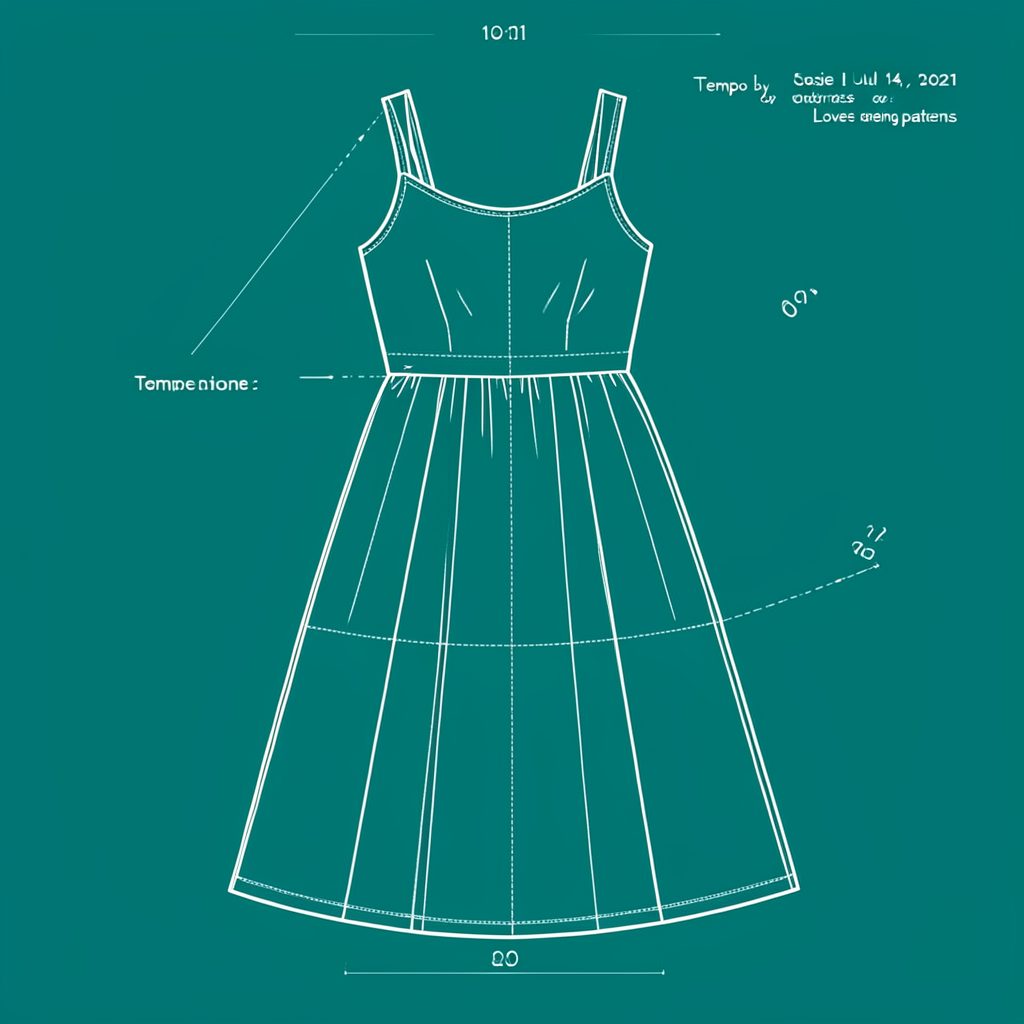
| Tempo Sundress | Love Notions | Sundress | No closures, shirred back panel |
| Arlington Sweater | Love Notions | Sweater | Cold-weather staple |
| Sybil Illusion Skirt | Love Notions | Skirt (knit) | 7 variations, optional pockets |
| Camden Pinafore | Nina Lee Patterns | Pinafore dress | Year-round layering piece |
| Ogden Cami (dress hack) | True Bias | Cami / Dress | Versatile wardrobe builder |
| Burda 6829 | Burda | Dress | Multi-sized, special-occasion |
Stay in Touch
Subscribe to the newsletter for sewing inspiration, pattern tips, and project ideas delivered straight to your inbox.