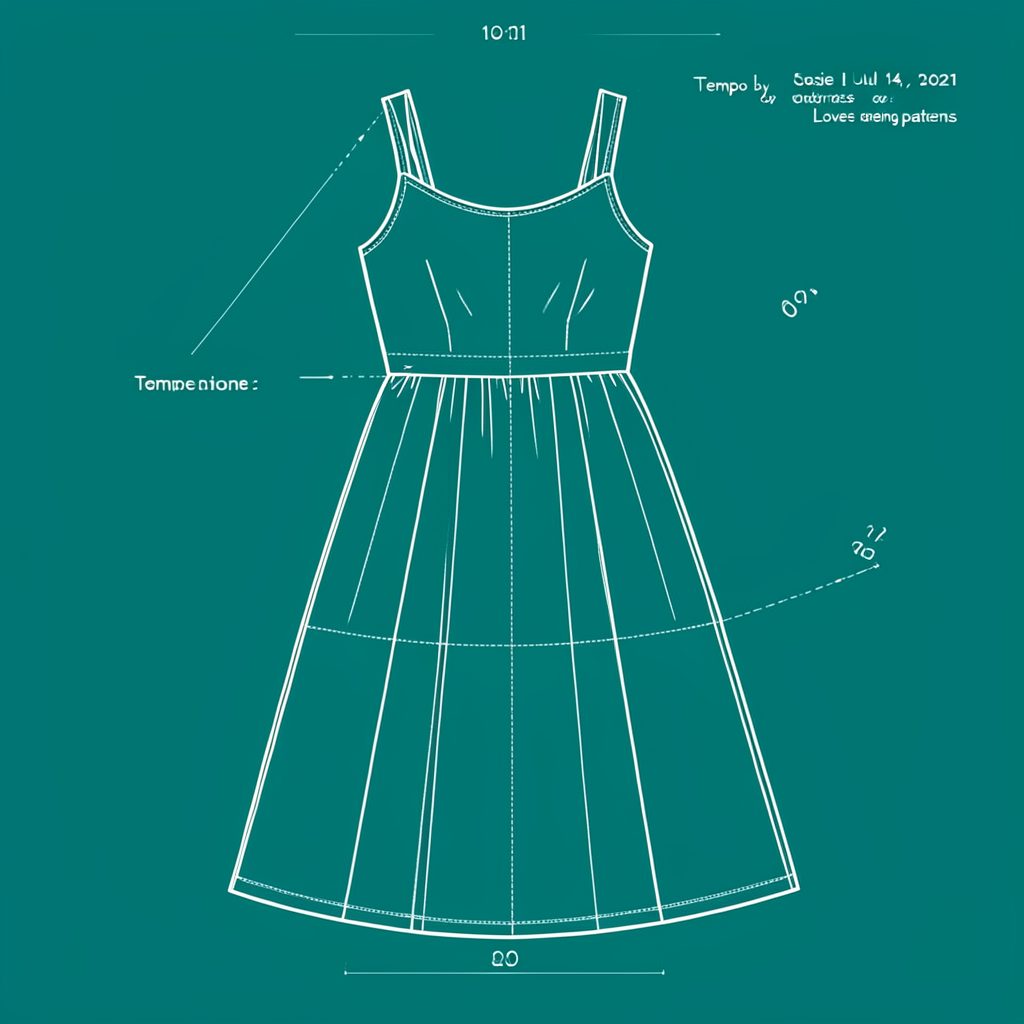
Merino Wool Jersey For Comfortable, Hardworking Activewear
Merino wool jersey is a surprisingly versatile choice for activewear. Fine wool fibres create a soft, flexible knit that can feel warm on a chilly walk yet breathable during a faster-paced workout. Unlike the heavy wool associated with winter jumpers, lightweight merino jersey can be smooth, drapey and comfortable against the skin.
For home sewing, it offers an appealing alternative to standard polyester performance fabric. Merino can help manage moisture, resist odours and regulate temperature, making it useful for base layers, leggings, long-sleeved tops and relaxed outdoor clothing. It also brings a natural fibre option to a category often dominated by synthetics.
The fabric does need thoughtful handling. Its recovery, weight, fibre blend and washing requirements all affect the finished garment. With the right pattern and a few sewing adjustments, it can become a practical addition to a handmade wardrobe. You can find more sewing projects and pattern inspiration on Josie's sewing blog.
What Makes Merino Jersey Different
Merino jersey is knitted from the fine fleece of Merino sheep. The fibres are much finer than traditional wool, which is why a good-quality fabric feels smooth rather than coarse or scratchy. Fabric weight varies considerably, from featherlight jersey suitable for underwear and base layers to denser versions designed for warm tops.
The knit construction gives merino stretch and movement, while the wool fibres help absorb water vapour and release it gradually. This can make a merino top feel less clammy than a cotton garment during exercise. Wool also has natural odour-resistant properties, so a lightly worn layer may not need washing after every use.
Merino is not automatically itch-free for everyone. Fibre fineness, fabric finish and individual sensitivity all make a difference. Before buying enough for a garment, order a sample and wear it against your skin for a while. Scrunching and stretching the sample can also reveal whether it will pill, grow or lose its shape.
Choosing The Right Weight And Stretch
For close-fitting activewear, look for a jersey with dependable four-way stretch and good recovery. A fabric that stretches easily but stays pulled out after use may be comfortable at first but frustrating to wear. Stretch percentages of roughly 40 to 60 percent in both directions are common for fitted tops and leggings, although the pattern’s requirements should always take priority.
Lightweight merino, often around 120 to 180 GSM, works well for next-to-skin layers, running tops and long underwear. Midweight cloth, approximately 180 to 250 GSM, is more substantial and can suit joggers, cardigans, warm leggings or a simple sweatshirt-style top. Heavier options may be cosy but can become bulky in close-fitting designs.
Check the fabric width before committing to a pattern. Narrow rolls may make full-length leggings or larger sizes less economical, while a wide knit can offer better layout flexibility. Also inspect the cut edge for curling and the surface for a clear right and wrong side. A subtle colour variation can become noticeable if pattern pieces are cut in different directions.
| Fabric choice | Moisture handling | Odour resistance | Recovery and durability | Best uses |
|---|---|---|---|---|
| Merino jersey | Absorbs vapour and feels breathable | Naturally good | Moderate; needs gentle care | Base layers, tops, travel and outdoor wear |
| Polyester performance knit | Dries quickly and wicks moisture | Often needs frequent washing | Usually very durable | High-sweat training and sports leggings |
| Nylon or nylon blend | Smooth, quick drying | Usually moderate | Strong with good recovery | Compression garments and fitted activewear |
| Cotton jersey | Comfortable but holds moisture | Low once damp | Varies widely | Leisurewear and low-intensity layers |
Patterns That Suit The Fabric
Merino jersey is a natural match for close-fitting tops, layering tees and long-sleeved base layers. A design with a simple neckline and minimal shaping allows the fabric’s drape to remain the focus. Love Notions patterns can be especially useful when you want clear options for fit, length and sleeve variations, but check the recommended fabric stretch carefully rather than choosing by style alone.
Leggings can work beautifully in a dense merino knit, particularly for walking, yoga or everyday wear. For vigorous training, test the opacity and recovery before cutting. Hold the fabric up to bright light, stretch it firmly and sit or squat on a sample. Thin merino may need a gusset, a supportive lining or a less compressive design.
Loose pullovers, funnel-neck tops and relaxed joggers are forgiving choices for a first merino project. A slightly easier fit reduces stress on the seams and makes any gradual growth in the knit less obvious. Avoid complicated details until you know how the particular fabric behaves under the machine.
Make a toile from a similar-weight knit where possible. A cheap polyester jersey may mimic the stretch but not the drape, while cotton jersey may behave differently at the hem. Even a partial test garment can reveal whether the neckline stands away, the sleeves twist or the body needs more length.
Sewing Techniques For A Stable Finish
Use a fresh ballpoint or stretch needle, usually in a size suited to the fabric weight. A narrow zigzag, lightning stitch or stretch stitch allows seams to move without breaking. If your machine has adjustable presser-foot pressure, reducing it can help prevent the knit from stretching as it passes under the foot.
A walking foot is useful but not essential. Tissue paper or wash-away stabiliser under a particularly wobbly seam can keep the fabric moving evenly. Sew a test seam first, then pull it firmly. If the stitches pop, adjust the stitch length or width before working on the garment.
For hems, a twin needle can create a flexible, professional-looking finish, though a zigzag or coverstitch is equally practical. Stabilise shoulder seams with clear elastic or a narrow strip of lightweight tape, especially on a top that will be pulled over the head frequently. Keep the reinforcement soft so it does not undermine merino’s comfort.
Cutting deserves care because knit fabric can relax while it rests. Lay it flat without stretching, align the grain and use a rotary cutter if available. Mark notches lightly and avoid excessive pinning, which can leave holes in delicate jersey. Clips or fine pins placed within the seam allowance are safer.
Caring For Handmade Merino Activewear
Always follow the fabric supplier’s care instructions, as washable merino and machine-washable blends can have very different limits. In general, a cool, gentle wool cycle with mild detergent is kinder than a hot wash. Avoid standard biological detergents, bleach and fabric softener, which may damage wool fibres or affect stretch.
Resist wringing the garment. Press out excess water gently, reshape it while damp and dry it flat away from direct heat. Hanging wet merino can stretch the shoulders and length, particularly in a lightweight jersey. Once dry, store it folded rather than on a hanger.
Pilling is usually caused by friction rather than poor quality alone. Look at high-contact areas such as underarms, backpack straps and inner thighs. A fabric with a small percentage of nylon can offer improved durability, while a pure wool jersey may feel more natural but require gentler everyday treatment.
Wash activewear only when necessary and air it between wears. This suits merino’s odour resistance and extends the life of the garment. If a layer has absorbed sweat during intense exercise, wash it promptly rather than leaving it damp in a kit bag.
Making A Thoughtful Fabric Choice
Ethical and environmental claims around wool need nuance. Merino is renewable and biodegradable under suitable conditions, but farming practices, land use, processing and transport all matter. Look for useful information about fibre origin and animal welfare rather than relying on vague terms such as “natural” or “eco-friendly”.
A merino blend may be the most practical option for activewear. Nylon can improve abrasion resistance and recovery, while a small amount of elastane can help fitted garments keep their shape. These additions reduce biodegradability, so the best choice depends on whether longevity, natural content or technical performance is the priority.
Colour and print can influence wearability too. Dark solids may show less perspiration but can fade with harsh washing, while heathered shades often disguise minor pilling. Order swatches in several colours and compare their opacity, softness and recovery before placing a larger order.
A carefully chosen piece of merino jersey can earn frequent wear beyond exercise. The same long-sleeved top might work beneath a coat on a Yorkshire walk, under a jumper on a cold commute or with jeans for a casual day. That versatility is one of the strongest reasons to sew with it.
Useful Checks Before Cutting
- Wash and dry a generous swatch using the intended care routine, then measure its stretch and recovery again.
- Compare the fabric’s weight and drape with the pattern recommendations, especially for leggings or fitted bodices.
- Test your needle, thread, stitch settings and hem finish on scraps before assembling the garment.
- Stabilise shoulder seams and high-stress areas so repeated dressing does not distort the knit.
- Check opacity, pilling and comfort against the skin before committing to a full activewear project.
Merino wool jersey rewards a measured approach, but it does not need to be intimidating. Start with a straightforward knit pattern, take time over fabric preparation and treat the finished garment gently. For ongoing project ideas, practical sewing notes and new pattern reviews, sign up for email updates.
Choose a fabric weight that suits the activity, sew a small test sample and let comfort guide the final decision. With those checks in place, a merino layer can become one of the most useful handmade pieces in an active wardrobe.
Popular Pattern Reviews
| Pattern | Designer | Type | Highlight |
|---|---|---|---|
| Compose Robe (Kids) | Love Notions | Robe / Loungewear | Sizes 2T–16, cosy & practical |
| Tempo Sundress | Love Notions | Sundress | No closures, shirred back panel |
| Arlington Sweater | Love Notions | Sweater | Cold-weather staple |
| Sybil Illusion Skirt | Love Notions | Skirt (knit) | 7 variations, optional pockets |
| Camden Pinafore | Nina Lee Patterns | Pinafore dress | Year-round layering piece |
| Ogden Cami (dress hack) | True Bias | Cami / Dress | Versatile wardrobe builder |
| Burda 6829 | Burda | Dress | Multi-sized, special-occasion |
Stay in Touch
Subscribe to the newsletter for sewing inspiration, pattern tips, and project ideas delivered straight to your inbox.