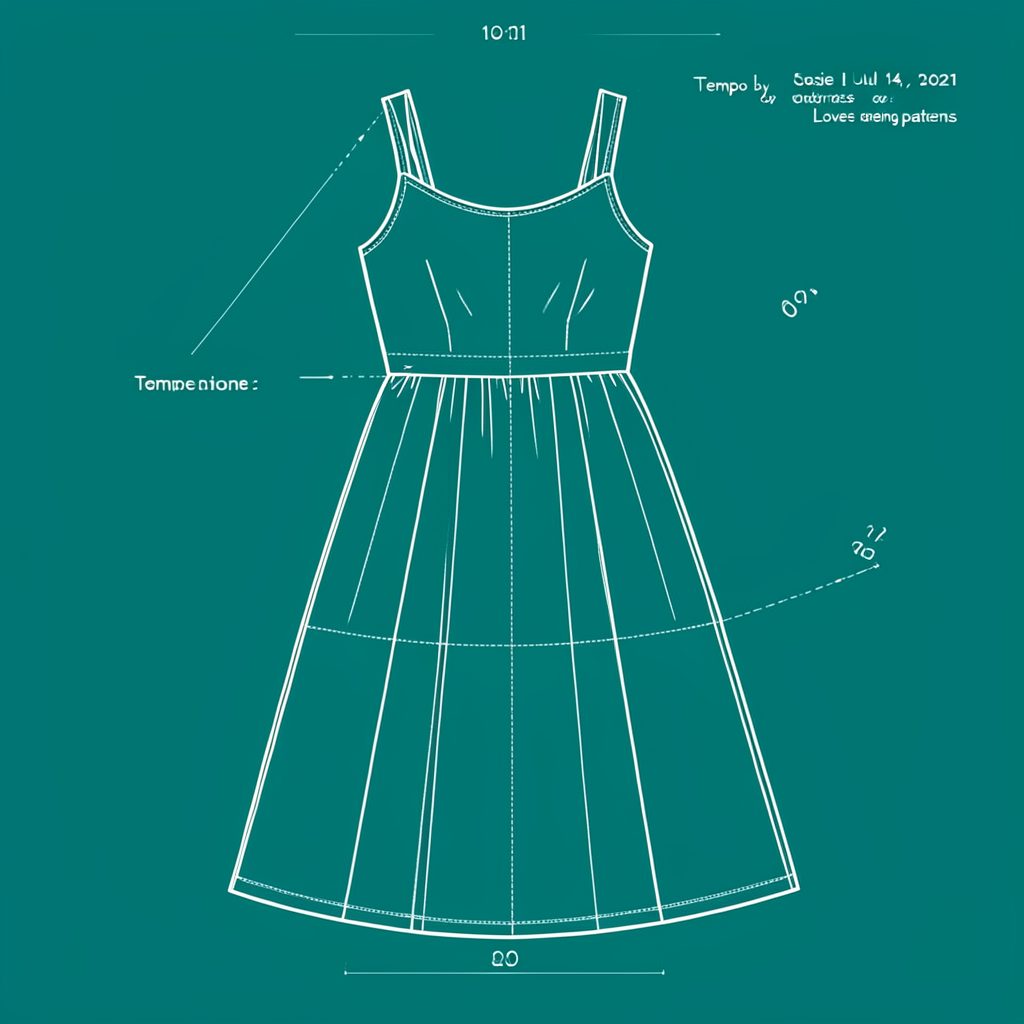
Five Easy Alterations to Make an Indie Pattern Your Own
Indie sewing patterns are designed to give you a reliable starting point, rather than dictate every detail of the finished garment. A well-drafted pattern can become a favourite dress, shirt, pair of trousers, or cardigan once you adjust it to suit your body, wardrobe, and preferred sewing style.
Small changes often have a bigger effect than expected. Altering the hem, changing a sleeve, moving a pocket, or refining the neckline can turn a familiar design into something that feels distinctly yours. These adjustments are also useful ways to build confidence without redrawing an entire pattern.
Before cutting into treasured fabric, make a quick toile or use an inexpensive length of similar-weight material. Check the pattern’s finished measurements, seam allowances, and construction order first. A few minutes of planning can prevent an alteration from affecting fit elsewhere.
Adjust The Length For Better Proportion
Changing length is one of the simplest ways to personalise an indie sewing pattern. A top can become a cropped style, a tunic, or a full-length layer, while a dress can be shortened to a practical day dress or extended towards a midi shape. Trousers and skirts can also be adjusted to suit your height and the shoes you usually wear.
Use the pattern’s lengthen-or-shorten lines whenever they are provided. Cut across the line, separate the pieces by the amount needed, and fill the gap with paper. To shorten a piece, overlap the sections instead. Keep the centre front, centre back, and side seams aligned so the hem remains balanced.
Length changes are especially helpful when a pattern’s proportions do not match your personal preference. A petite sewist may need to remove length from the bodice as well as the hem, while someone with a longer torso may need to add it. Make small adjustments gradually and check the garment on your body before finishing the hem.
Refine The Neckline
A neckline alteration can change the mood of a garment without requiring major construction changes. A high crew neck may become a softer scoop, a boat neck can create a more elegant line, and a shallow V-neck can make a woven blouse feel lighter. The original neckline shape provides a useful guide, but it does not have to be permanent.
Trace the front and back neckline onto fresh pattern paper, then draw the new curve smoothly. Keep the shoulder seam and centre front or back marked clearly. If you deepen the neckline, measure the new opening and adjust the facing or binding to match. A neckline that is only slightly wider will usually need a new finish rather than a completely different construction method.
Stay-stitch the altered edge as soon as the fabric is cut, particularly with knit or loosely woven fabrics. Try the garment on before attaching the final facing or neckband. This is the point where you can raise the neckline, soften an overly sharp curve, or check that the opening sits comfortably without exposing more than intended.
Switch Up Sleeves And Cuffs
Sleeves offer plenty of scope for customisation. A long sleeve can be shortened to the elbow, finished with a narrow hem, or gathered into a cuff. A straight sleeve can become gently puffed by adding width, while a fitted sleeve can be replaced with a simple short sleeve if you want a quicker summer version.
When changing sleeve volume, avoid adding width only at the wrist unless that is the intended design. Spread the sleeve pattern through the cap and down towards the hem, keeping the sleeve head compatible with the armhole. Extra fullness can be controlled with gathers, pleats, or a cuff, depending on the style you want.
For knit garments, a sleeve band is often an easy alternative to a turned hem. Measure the finished wrist opening, decide how snug the band should be, and add seam allowances before cutting it. Love Notions patterns are particularly useful for experimenting with interchangeable details because many designs include several views and practical finish options.
| Alteration | Best For | Main Pattern Piece To Check | Watch Out For |
|---|---|---|---|
| Change the hem length | Dresses, skirts, tops, trousers | Front, back, and hem pieces | Uneven proportions or lost shaping |
| Redraw the neckline | Tees, blouses, dresses | Front, back, facing, or neckband | A finish that no longer matches |
| Alter sleeve length | Shirts, dresses, knit tops | Sleeve and cuff or band | Sleeve cap and armhole balance |
| Move or resize pockets | Trousers, coats, dresses | Pocket bag and opening | Pocket placement affecting comfort |
| Add or remove waist shaping | Dresses, tops, skirts | Bodice, waistband, or side seams | Changing the intended ease |
Make Pockets Work Harder
Pockets are practical details, but they also influence the visual character of a garment. A patch pocket can add a casual workwear feel, while a hidden side-seam pocket keeps a dress or skirt looking clean. If an indie pattern has no pockets, adding them can make the finished item much more wearable.
The easiest option is a patch pocket. Draft a rectangle or softly curved shape, add seam allowances, and finish the top edge before attaching it. Use a pocket from another pattern if its opening and depth suit your project, but compare the scale with the garment first. An oversized pocket may overwhelm a delicate blouse, while a tiny one may be decorative rather than useful.
Mark pocket placement while wearing the toile or holding the garment against your body. For trousers, check that your hand can enter comfortably while seated. For dresses and tops, confirm that the pocket does not sit too close to the bust, waist, or hem. A little topstitching can make a simple pocket look deliberately designed.
Fine-Tune Fit With Small Changes
Many fit adjustments can be made without a full pattern alteration. Removing a little excess from the side seams, adding a small wedge at the bust, or adjusting the waistband can improve comfort while preserving the original style. Make changes symmetrically and record them on the pattern so the next version is easier to cut.
A full bust adjustment may be worthwhile if a fitted bodice pulls across the chest while fitting correctly at the shoulders. The adjustment adds room where it is needed without automatically making the neckline or shoulder too large. For a smaller bust, the reverse approach removes excess while maintaining the overall length and shape.
Waist shaping can also be personalised. A loose dress may benefit from subtle darts, elastic, ties, or a separate belt. Before adding shaping, examine the fabric and intended ease. A structured woven may support darts beautifully, whereas a fluid fabric might hang better with a tie or gentle gathering.
For extra reference, compare your alterations with a detailed Dawn jeans review, especially when working with structured garments where small changes to rise, waistband, and leg shape affect the whole fit.
Choose A Different Fabric Personality
Fabric choice is an alteration in spirit, even when the paper pattern remains unchanged. A boxy shirt in crisp cotton will look completely different from the same shirt in drapey viscose. A knit dress may become more relaxed in a lightweight jersey, while stable ponte can create a polished, structured version.
Check the recommended fabric weight, stretch percentage, and drape before making a substitution. A pattern designed for woven fabric may need ease or construction changes if made in knit fabric. Similarly, replacing a light fabric with denim, corduroy, or coating can make seams bulky and affect how the garment hangs.
You can also customise small areas with contrast fabric. Try a different fabric for cuffs, collars, facings, pocket bags, or waistbands. This is a sensible way to use a special remnant while giving a familiar pattern a new identity. Josephine’s sewing blog offers a welcoming place to find more indie pattern ideas, fabric inspiration, and practical project notes.
Plan Alterations Before Cutting
The best customisation decisions happen before the fabric reaches the cutting table. Print the pattern at the correct scale, check the test square, and compare your measurements with the designer’s chart. Finished garment measurements are equally important because they reveal the amount of ease built into the design.
Choose one or two changes for your first version rather than altering every feature at once. If the result needs further refinement, you will know which adjustment caused the difference. Use a removable marker, coloured pencil, or separate tracing paper to distinguish your personal version from the original pattern.
Keep notes about the size cut, fabric used, alterations made, and any construction discoveries. Include useful details such as whether the neckline stretched, whether the sleeve felt restrictive, or whether the pockets needed to be deeper. These records turn an experimental project into a dependable recipe for future garments.
Practical Ways To Personalise Your Next Project
Start with changes that support how you will actually wear the garment. A pocket placed at the right height may bring more satisfaction than a dramatic design alteration, while a carefully adjusted hem can make a pattern work with the rest of your wardrobe.
- Make a toile before attempting major fit or neckline changes.
- Trace the original pattern so the unaltered version remains available.
- Measure replacement neckbands, cuffs, and waistbands from the garment opening.
- Use scraps to test unfamiliar fabric, interfacing, elastic, or decorative stitching.
- Record every adjustment immediately after a successful fitting.
Take an indie pattern that already appeals to you, select one practical alteration, and test it in fabric you will enjoy wearing. With a little tracing paper and careful measuring, you can transform a familiar design into a garment that fits your body, reflects your taste, and earns a regular place in your handmade wardrobe.
Popular Pattern Reviews
| Pattern | Designer | Type | Highlight |
|---|---|---|---|
| Compose Robe (Kids) | Love Notions | Robe / Loungewear | Sizes 2T–16, cosy & practical |
| Tempo Sundress | Love Notions | Sundress | No closures, shirred back panel |
| Arlington Sweater | Love Notions | Sweater | Cold-weather staple |
| Sybil Illusion Skirt | Love Notions | Skirt (knit) | 7 variations, optional pockets |
| Camden Pinafore | Nina Lee Patterns | Pinafore dress | Year-round layering piece |
| Ogden Cami (dress hack) | True Bias | Cami / Dress | Versatile wardrobe builder |
| Burda 6829 | Burda | Dress | Multi-sized, special-occasion |
Stay in Touch
Subscribe to the newsletter for sewing inspiration, pattern tips, and project ideas delivered straight to your inbox.