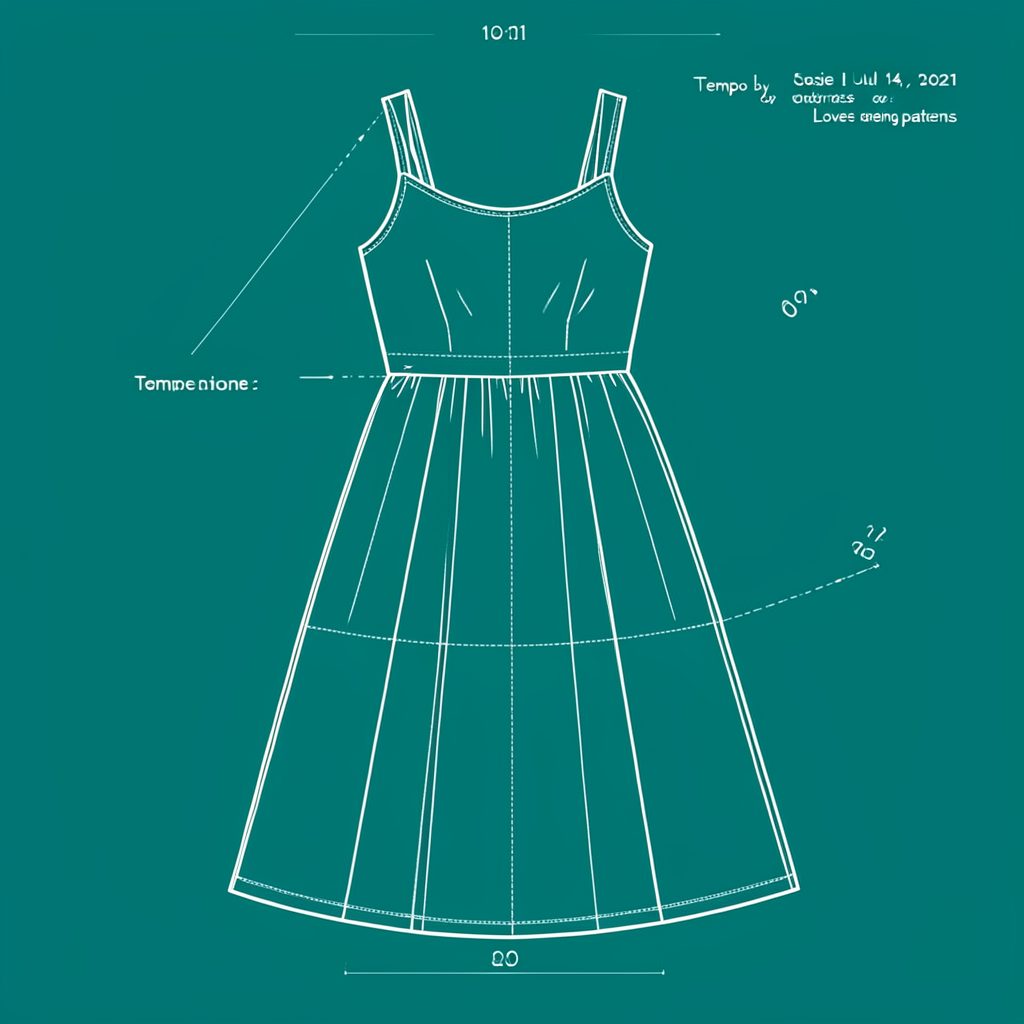
Love Notions Allie Top: A Beginner-Friendly Project
The Love Notions Allie Top is a lovely choice when you want to make something wearable without taking on an oversized sewing challenge. It offers the satisfaction of a finished garment while keeping the focus on useful skills: choosing fabric, understanding ease, sewing accurate seams, and creating a tidy finish.
For a beginner, a successful project needs to feel manageable from the first fabric cut to the final try-on. A well-organised pattern, clear instructions, and a forgiving fabric can make the difference between an enjoyable afternoon at the machine and a project that ends up in a cupboard.
This guide looks at how to approach the Allie Top with confidence, from selecting materials to making small adjustments. It is also a helpful project for more experienced sewists who want a quick, practical make with room for personal style.
Why The Allie Top Works For Beginners
The Allie Top has the kind of everyday shape that makes a first garment feel worthwhile. Rather than creating something that only works for a special occasion, you can make a version to wear with jeans, skirts, or relaxed trousers. That regular use gives you a chance to notice what you like about the fit and what you might alter next time.
The project also provides a gentle introduction to sewing with knit fabric. Stretch materials can seem intimidating, but they are often comfortable to wear and forgiving of small fitting differences. With the correct needle, suitable stitch, and a little care while sewing, a beginner can achieve a polished result without needing advanced tailoring techniques.
If you are building a handmade wardrobe, the sewing projects on this blog offer further ideas for choosing patterns that are practical, approachable, and enjoyable to make.
Choosing Fabric And Notions
Fabric selection is one of the most important decisions for this project. Look for a knit with enough stretch for the pattern requirements and a recovery that allows the garment to return to its original shape after wearing. Cotton jersey, cotton-spandex, rayon jersey, and other stable dressmaking knits can all create different effects, so check the pattern information before buying.
A medium-weight fabric is usually easier for a beginner to control than something extremely lightweight or slippery. If the fabric curls heavily at the cut edge, shifts while sewing, or feels difficult to handle, save it for a later project. A stable jersey gives you more control and makes it easier to concentrate on construction.
Wash and dry the fabric before cutting, following the care instructions you expect to use for the finished top. This removes excess finish and reduces the risk of unwanted shrinkage. You will also need a ballpoint or stretch needle, polyester thread, clips or fine pins, and a machine stitch that allows the seams to stretch with the garment.
Picking A Size And Checking The Fit
Begin with the body measurements given in the pattern rather than choosing a size based on ready-to-wear clothing. Compare your measurements with the finished garment measurements as well. This helps you understand the intended ease and decide whether you prefer a closer or more relaxed fit.
A quick tissue or paper check can reveal useful information before you cut into fabric. Compare the length with a top you already enjoy wearing, and measure from the shoulder to the hem. Consider where you want the garment to sit in relation to your waistband, especially if you plan to wear it tucked in or layered over another garment.
| Project detail | Beginner-friendly approach | Why it helps |
|---|---|---|
| Fabric | Stable knit with moderate stretch | Easier to cut, sew, and press |
| Size | Use body and finished measurements | Gives a more reliable fit |
| Needle | Ballpoint or stretch needle | Helps protect the knit structure |
| Seam finish | Stretch stitch or overlocker | Keeps seams comfortable and flexible |
| First version | Simple fabric and familiar length | Lets you focus on construction |
Do not feel obliged to make every adjustment immediately. A first version can teach you how the pattern behaves on your body. Make notes on the fit, hem position, sleeve length, and neckline before planning a second version.
Sewing The Main Construction
Before sewing, read through the instructions and identify the stages that are new to you. Lay out the pattern pieces and mark any notches, centres, or construction points clearly. Knit fabrics can look similar on both sides, so use removable stickers or fabric markers to distinguish the right and wrong sides.
When joining seams, avoid stretching the fabric as it passes beneath the presser foot. Let the feed dogs move the layers through naturally, and use clips where pins might distort the edge. Test your stitch on a fabric scrap first, then gently pull the sample seam to check that it stretches without snapping.
A pressing cloth and a low-to-medium temperature can help you shape the garment neatly. Avoid dragging the iron across the knit, as this can lengthen or distort the fabric. Pressing in short lifts, or using a little steam where suitable, will keep the pieces looking even without flattening them excessively.
Small Adjustments That Make A Difference
Length is one of the simplest changes to consider. If the finished top is longer than you would like, use the pattern’s lengthen-or-shorten line rather than trimming a random amount from the hem. This keeps the proportions more balanced and helps preserve the intended shape.
The guide on how to shorten a pattern explains the process in a practical way. It is worth making the adjustment on the paper pattern before cutting fabric, particularly if you are petite or prefer a cropped silhouette.
Other changes may include blending between sizes, altering sleeve length, or making a small swayback adjustment. Keep the first version relatively simple if you are still learning. One controlled alteration is easier to evaluate than several changes made at once.
Finishing Details Worth Taking Time Over
The neckline and hem can determine whether a handmade top looks polished. Take your time when attaching any binding or band, distributing the stretch evenly rather than forcing one section to fit. A few extra clips can make this stage much less stressful.
For hems, test the finish on scraps before working on the garment. A twin needle, zigzag, stretch stitch, or coverstitch can work well depending on your machine and fabric. The best choice is the one that keeps the edge flexible and gives you a finish you can repeat confidently.
If you are planning the project for a weekend of sewing, prepare the fabric and pattern beforehand. These small steps can make the actual construction feel calmer and leave more time for enjoying the creative process.
A Simple Plan For Your First Version
A little preparation will help you keep the project focused and enjoyable:
- Choose a stable knit in a colour you already wear regularly.
- Measure yourself and compare both body and finished garment measurements.
- Make a quick fabric sample to test the needle, stitch, and thread tension.
- Read the full sewing instructions before starting the first seam.
- Keep notes about fit and construction while the details are fresh.
The finished top does not need to be perfect to be useful. It should teach you how the pattern fits, how your machine handles knit fabric, and which details you would like to change. Those observations are valuable, especially when deciding whether your next version should be longer, looser, brighter, or made from a different fabric.
The Love Notions Allie Top is a satisfying project because it combines a wearable result with practical sewing practice. Choose your fabric, prepare your pattern carefully, and make a version that suits your wardrobe—then wear it, assess the fit, and let that first make guide the next one.
Popular Pattern Reviews
| Pattern | Designer | Type | Highlight |
|---|---|---|---|
| Compose Robe (Kids) | Love Notions | Robe / Loungewear | Sizes 2T–16, cosy & practical |
| Tempo Sundress | Love Notions | Sundress | No closures, shirred back panel |
| Arlington Sweater | Love Notions | Sweater | Cold-weather staple |
| Sybil Illusion Skirt | Love Notions | Skirt (knit) | 7 variations, optional pockets |
| Camden Pinafore | Nina Lee Patterns | Pinafore dress | Year-round layering piece |
| Ogden Cami (dress hack) | True Bias | Cami / Dress | Versatile wardrobe builder |
| Burda 6829 | Burda | Dress | Multi-sized, special-occasion |
Stay in Touch
Subscribe to the newsletter for sewing inspiration, pattern tips, and project ideas delivered straight to your inbox.