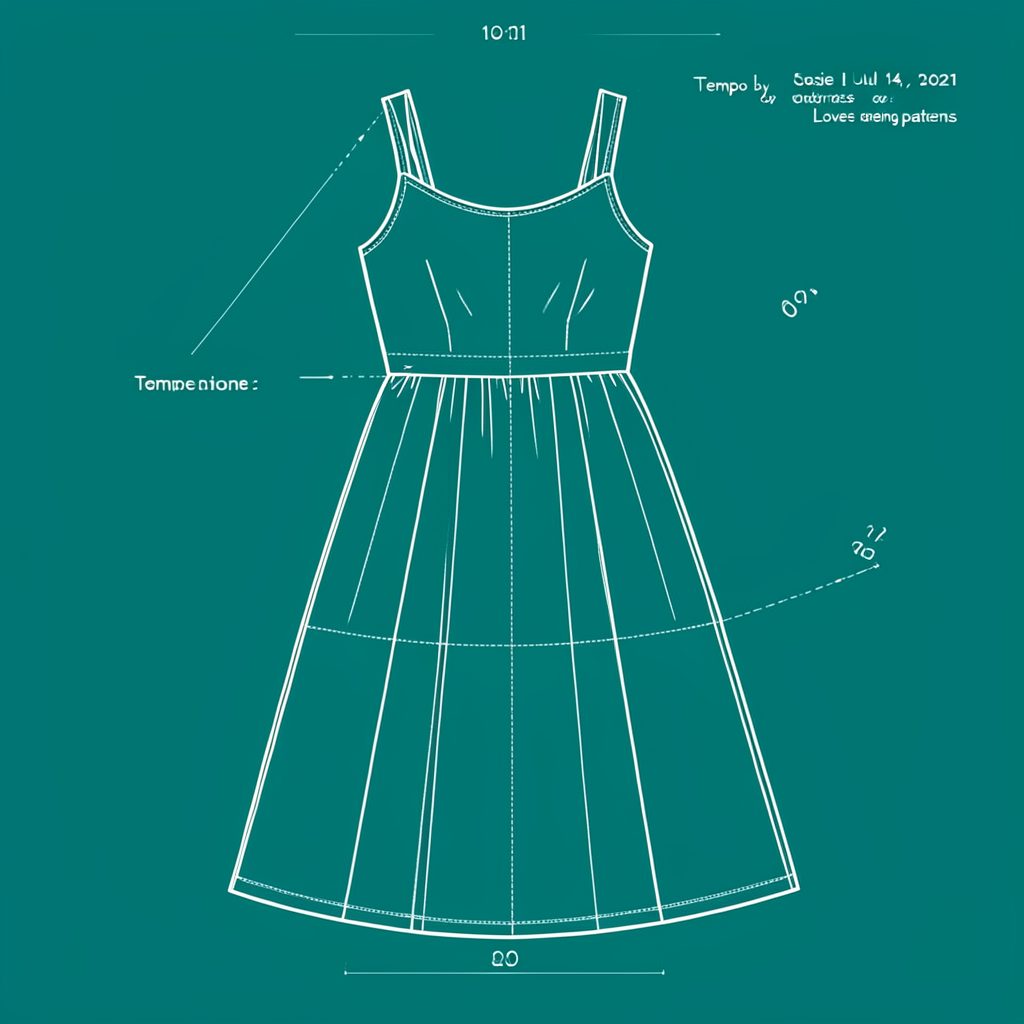
Love Notions Blossom Cardigan: A Layering Staple
A useful cardigan can quietly become the hardest-working garment in a handmade wardrobe. It bridges the gap between a T-shirt and a coat, softens a dress for everyday wear, and adds warmth without the bulk of a jumper. The Love Notions Blossom Cardigan is designed with that kind of versatility in mind: an approachable knit project with plenty of potential for repeat sewing.
For sewists in Yorkshire and elsewhere in the UK, a layering piece needs to work across changeable weather. A lightweight version can live in a handbag through spring, while a denser knit can make a dependable extra layer for chilly offices, school runs, or weekend walks. The right fabric and finish will determine how often this cardigan leaves the wardrobe.
My sewing background includes plenty of practical garment-making, so I always look at a pattern beyond its line drawing. The real test is whether the instructions, fit, fabric requirements, and construction methods make the finished garment easy to wear and enjoyable to sew.
The Shape That Makes It Useful
The Blossom Cardigan suits the role of an everyday open-front layer. Its appeal is less about a dramatic statement silhouette and more about creating a soft frame around the body. That makes it an easy partner for jeans, wide-leg trousers, jersey dresses, and simple woven tops.
A cardigan pattern like this is especially valuable when the fit is comfortable through the upper body without looking shapeless. The drape of the knit does much of the work, allowing the garment to skim rather than cling. Before cutting, compare your body measurements with the finished garment measurements and consider how much ease you prefer in a layering piece.
Length is another detail worth thinking through. A shorter version can work neatly with high-waisted trousers and skirts, while a longer hem offers more coverage over leggings or a fitted dress. If you alter the length, remember to account for the shape of the front opening and any hem or band pieces so the proportions remain balanced.
Choosing A Fabric With Movement
A soft knit is the natural starting point for this cardigan. French terry, rayon jersey, bamboo jersey, sweater knit, and lighter double knits can all create different versions, provided they offer the stretch and recovery required by the pattern. A fabric with fluid drape will produce a relaxed, flowing layer; a stable knit will give the cardigan a cleaner outline.
Very clingy jersey may be less forgiving around the front opening, while a stiff ponte can make the garment feel more structured than intended. Medium-weight fabrics are often the easiest compromise for a first version. They provide enough body for the edges to sit neatly without making the cardigan heavy.
Think about the wardrobe gap you are trying to fill. A neutral marl, navy, charcoal, or soft olive will earn frequent wear, whereas a floral or textured knit can turn a simple outfit into a more distinctive look. When buying fabric online, order a swatch where possible and test the stretch in both directions before committing to the full cut.
Construction Details Worth Taking Care With
Knit sewing becomes much less intimidating when the machine is prepared for it. A ballpoint or stretch needle, polyester thread, and a narrow zigzag or lightning stitch are useful starting points. An overlocker can speed up the seams, but it is not essential; a conventional sewing machine can produce a strong, flexible finish with the right settings.
The front edges deserve particular attention because they are visible and handle a lot of movement. Stay-stitching, careful pressing, and a consistent seam allowance help prevent the opening from stretching out. If the design includes a band or facing, use plenty of clips rather than pins and distribute the fabric evenly before sewing.
Hems can be finished with a twin needle, coverstitch, zigzag, or a carefully applied knit binding, depending on the fabric and the look you want. Always test on scraps first. A hem that tunnels or ripples can usually be improved by reducing presser-foot pressure, loosening the tension slightly, or stabilising the edge with temporary spray starch or wash-away tape.
Comparing Fabrics For Different Versions
The same pattern can look surprisingly different when made in contrasting materials. A drapey rayon jersey gives a fluid, almost elegant cardigan, while French terry creates a more casual layer with a little extra warmth. A textured sweater knit can feel luxurious, but it may require more patience during cutting and pressing.
| Fabric Type | Resulting Look | Sewing Considerations | Best Use |
|---|---|---|---|
| Rayon jersey | Soft and fluid | Handle gently and stabilise edges | Dressy everyday layering |
| French terry | Casual and comfortable | Easy to sew with moderate stretch | Jeans and weekend outfits |
| Ponte knit | Smooth and structured | Check bulk at seams and hems | Smart office cardigan |
| Bamboo jersey | Lightweight and drapey | Can curl and stretch during sewing | Spring and summer layers |
| Sweater knit | Warm and textured | Finish raw edges carefully | Autumn and winter wear |
For a beginner-friendly first attempt, French terry or a stable jersey is usually a reassuring choice. These fabrics tend to be easier to cut accurately and less prone to shifting under the presser foot. Experienced sewists may enjoy experimenting with brushed knits, jacquards, or patterned fabrics once they understand how the cardigan’s proportions work.
Print placement also matters. A large-scale floral or stripe can draw attention to the front edges, so consider matching or balancing the design before cutting. With directional fabric, check every pattern piece twice; an upside-down motif is especially noticeable on a long open-front garment.
Fit Adjustments For A Personal Finish
Even a relaxed cardigan benefits from a thoughtful fitting process. Start with a toile or a wearable test garment in an inexpensive knit with similar stretch and weight. This reveals whether the shoulder seam sits where you want it, whether the front hangs evenly, and whether the sleeve allows comfortable movement.
Common adjustments may include shortening or lengthening the body, changing the sleeve length, or making a full-bust adjustment. Petite sewists may want to reduce the length through the body and sleeves, while taller makers may need extra coverage at the hem. Altering at the designated lengthen-and-shorten lines is generally safer than removing a large amount from the hem alone.
The amount of negative or positive ease depends on the cardigan’s intended fit and the fabric selected. Do not rely on the size you usually buy in shops. Measure yourself, inspect the finished measurements, and consider how the cardigan will be worn over other layers. A little extra room can make the garment much more useful in cooler weather.
Styling It Beyond The Basics
A neutral Blossom Cardigan can become a wardrobe workhorse when styled in several directions. Wear it open over a striped tee and jeans for a relaxed outfit, or pair it with a sleeveless dress when bare shoulders need a little coverage. A narrow belt can define the waist, although the cardigan is equally successful left loose and easy.
Colour is a simple way to decide whether a version feels classic or more expressive. A warm rust, mustard, or berry shade brings interest to a dark autumn wardrobe, while cream and pale blue work beautifully in spring. If the fabric has a strong print, keep the rest of the outfit simple so the cardigan remains the focal point.
Details such as a carefully finished hem, coordinated thread, and well-matched seams elevate the result. Even when the construction is straightforward, pressing at each stage and taking time with visible edges can make the finished garment feel considered rather than merely functional.
Practical Tips For A Smoother Sew
The pattern is approachable, but a few habits make the process more reliable. Read through the instructions before cutting, especially if you are deciding between fabric types or planning alterations. Keep scraps nearby for testing stitches, and mark the wrong side clearly when the fabric looks similar on both sides.
- Pre-wash the fabric in the same way you will launder the finished cardigan.
- Test stretch, recovery, needle choice, and stitch settings on a fabric scrap.
- Use clips at curved or slippery seams to avoid unnecessary distortion.
- Press knit seams gently and avoid dragging the iron across the fabric.
- Photograph the finished garment on different outfits to assess its real wardrobe value.
It is also worth checking the pattern files and current instructions before beginning, as independent sewing patterns can be updated over time. Print-at-home pages should be assembled carefully, with the test square measured before the full pattern is cut. A small printing error can affect the fit across every piece.
If the cardigan becomes a favourite, note the fabric composition, size, alterations, and machine settings in your project journal. That record turns a successful make into a repeatable recipe and makes the next version faster to plan.
A well-chosen Blossom Cardigan earns its place through versatility rather than fuss. It can be soft or structured, understated or colourful, lightweight or warm, depending on the fabric and styling choices. For a sewist building a practical handmade wardrobe, that flexibility makes it a satisfying project with plenty of room for personal interpretation.
Try the pattern in a fabric that already suits your daily life, take time over the front edges, and let the first version teach you what you want from the next. For more sewing projects, fabric ideas, and practical pattern notes, join the email updates and keep Josie’s latest makes close at hand.
Popular Pattern Reviews
| Pattern | Designer | Type | Highlight |
|---|---|---|---|
| Compose Robe (Kids) | Love Notions | Robe / Loungewear | Sizes 2T–16, cosy & practical |
| Tempo Sundress | Love Notions | Sundress | No closures, shirred back panel |
| Arlington Sweater | Love Notions | Sweater | Cold-weather staple |
| Sybil Illusion Skirt | Love Notions | Skirt (knit) | 7 variations, optional pockets |
| Camden Pinafore | Nina Lee Patterns | Pinafore dress | Year-round layering piece |
| Ogden Cami (dress hack) | True Bias | Cami / Dress | Versatile wardrobe builder |
| Burda 6829 | Burda | Dress | Multi-sized, special-occasion |
Stay in Touch
Subscribe to the newsletter for sewing inspiration, pattern tips, and project ideas delivered straight to your inbox.