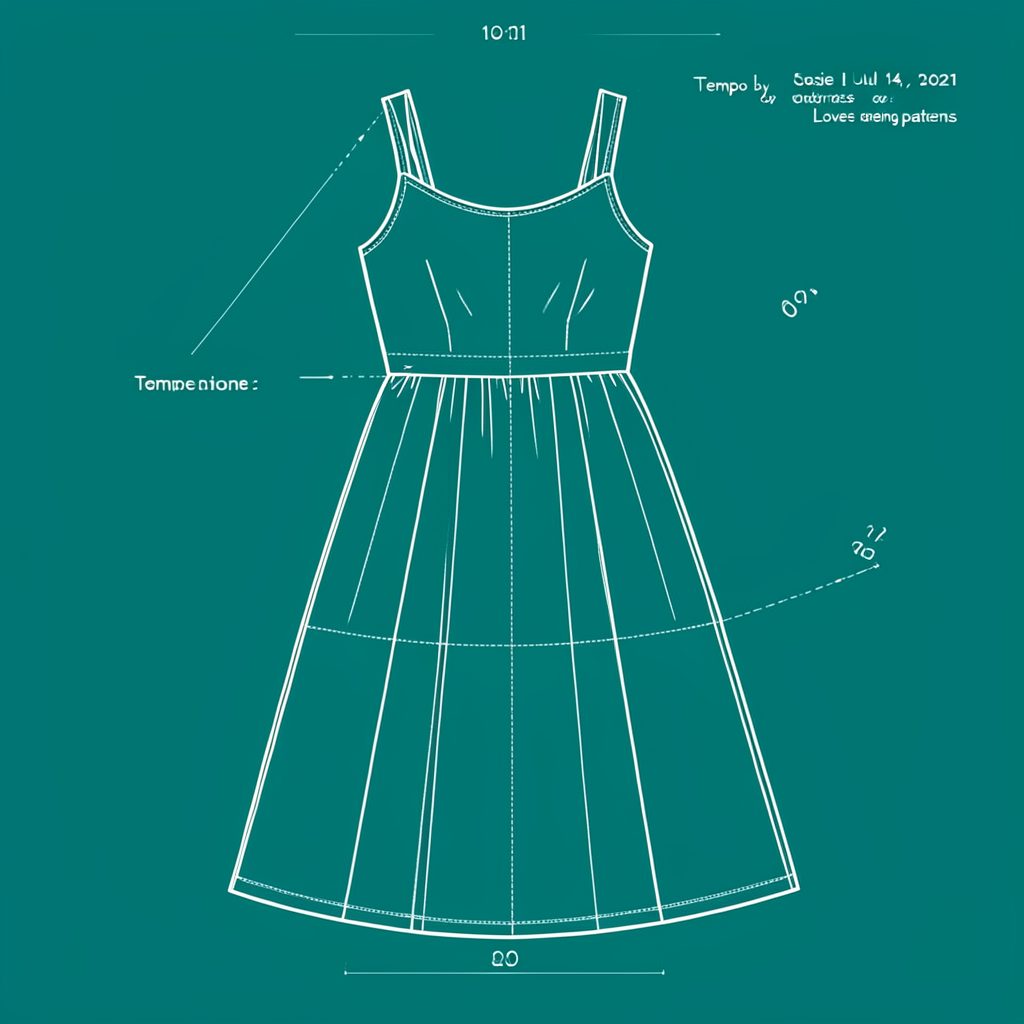
Love Notions Cascade Dress Hack Into A Wearable Top
A well-loved dress pattern can become much more versatile with one careful alteration. Turning the Love Notions Cascade Dress into a top keeps the shape and style lines that attracted you to the pattern, while creating a garment that works with trousers, jeans and skirts throughout the year.
This hack is especially useful when you have a favourite bodice but do not need another full-length dress. It can also be a practical way to use a smaller cut of fabric, test a new knit textile or make a quicker project from a pattern already in your collection.
On Josie’s sewing blog, sewing projects are approached with a useful balance of creativity and practical detail. The same mindset helps here: make the alteration thoughtfully, check the fit before cutting, and treat the first version as a learning garment rather than expecting perfection immediately.
Why The Cascade Shape Works As A Top
The success of this hack depends on the bodice being able to stand alone. The Cascade Dress has a distinctive upper-body shape, so removing the skirt does not have to make the result look like an unfinished dress. The neckline, shoulder line, sleeves and waist shaping can still provide enough visual interest for a complete top.
A shortened version is also easier to style casually. A hem that finishes around the high hip can be worn loose, while a slightly longer hem gives more coverage with leggings or slim trousers. The best length depends on your wardrobe, body proportions and whether the original pattern has a defined waist seam or shaping below the bodice.
Before altering the paper pattern, look at where the garment’s design lines meet. If the bodice finishes at a waist seam, that seam may become the top’s lower edge. If the dress has a shaped or gathered skirt attached there, you can preserve the bodice and draft a new hem below it.
Marking The New Hemline
Trace the bodice pieces onto fresh paper rather than cutting into the original pattern. This protects the dress version and gives you space to experiment with several lengths. Include seam allowance according to the pattern instructions, then mark the finished hemline separately so you can distinguish the cut edge from the final garment length.
Try on a similar top from your wardrobe and measure from the shoulder or neckline to its hem. Compare that measurement with the Cascade bodice. Add extra length for the hem allowance, then draw a smooth line across each relevant piece. If the front and back meet at a waist seam, keep the lower edges consistent so the side seams align properly.
A curved hem can echo the movement of a dress, while a straight hem usually feels more modern and is simpler to sew. For a first attempt, a modest high-hip length is a sensible starting point. You can always make a second version longer after assessing how the fabric hangs and whether the top rides up during movement.
Choosing Fabric And Checking Stretch
Knit fabric is generally the safest choice when the pattern relies on stretch and recovery. Cotton jersey, bamboo jersey, viscose jersey and stable rib knits can all produce different results, so compare the fabric’s stretch percentage with the pattern requirements before cutting. A fabric with excellent recovery will help the neckline and armholes remain neat after wearing.
Very fluid jersey may create a soft, draped top, but it can be harder to handle at the sewing machine. A medium-weight knit gives clearer seams and is often more forgiving for an early hack. If the original dress uses a lighter fabric, changing to a thick ponte or firm double knit may affect the fit, especially around close-fitting sections.
Use a stretch needle, polyester thread and a narrow zigzag or suitable stretch stitch unless your overlocker is doing the main construction. Test the stitch on a fabric scrap first. The seam should stretch without popping when gently pulled across the body.
Construction Changes To Keep In Mind
Sew the bodice as instructed until you reach the point where the skirt would normally be attached. Finish the hem after the side seams are complete, following the pattern’s recommended order. This makes it easier to try on the top and make a final adjustment before permanently finishing the lower edge.
If the shortened bodice includes a waist seam, stabilise it where necessary. A strip of clear elastic or lightweight stay tape can prevent the seam from stretching out, particularly with viscose jersey. Do not add stabilisation so firmly that it restricts movement; the finished seam still needs to flex with the fabric.
Pay close attention to the hem’s relationship with the side seams. A hem that looks level on the table may dip or rise when worn because of body shape and fabric tension. Press the hem gently, use clips instead of pins if they distort the knit, and finish with a twin needle, coverstitch or neat zigzag.
| Area | Dress Version | Top Hack | Practical Check |
|---|---|---|---|
| Lower section | Full skirt attached to the bodice | Bodice ends at a newly drafted hem | Check the finished length over your usual trousers |
| Fabric use | Requires enough cloth for the skirt | Uses considerably less fabric | Confirm the grain and print direction before cutting |
| Hem | May be curved, tiered or gathered | Straight or gently curved hem | Test the chosen shape on a paper version |
| Waist seam | Supports the dress silhouette | Becomes part of the top’s structure | Stabilise only if the knit stretches out |
| Styling | One-piece outfit | Separate layer for mix-and-match outfits | Consider whether the top needs hip coverage |
Fit Adjustments Before Cutting
Removing the skirt does not remove the need for a proper full-bust, narrow-shoulder or swayback adjustment. The shorter garment may make fitting issues more visible because the hem can shift when the bodice pulls across the bust or back. Compare the finished measurements with a top that already fits you well.
Make a toile from inexpensive knit if the design is close fitting or if you have changed the fabric type significantly. It does not need to include every finishing detail. A quick version can reveal whether the neckline sits correctly, whether the armholes gape and whether the hemline rises at the front.
Check the garment while sitting, reaching and lifting your arms. A top that looks balanced when standing may feel too short when moving. If it rides up, add length at the hem rather than simply stretching the fabric downward, as stretching can make the neckline and shoulder seams behave poorly.
Styling The Finished Top
A Cascade-inspired top can work across seasons. Pair a shorter version with high-waisted jeans or a full skirt, or choose a longer hem to wear over straight-leg trousers. A solid colour highlights the neckline and seam lines, while a small print can make the garment feel relaxed and easy to wear.
Layering also gives the hack more life. Wear it beneath a cardigan, denim jacket or sleeveless pinafore, depending on the sleeve design. For a polished outfit, choose a fabric with good drape and keep the accessories simple. For everyday wear, a stable cotton jersey and a practical colour may earn more wardrobe use than a dramatic fabric.
The first version can also reveal which details deserve repeating. You might prefer a curved hem, a longer back, shorter sleeves or a contrasting neckband. Record those choices on your traced pattern so the next version becomes a refined personal block rather than another round of guesswork.
A Smoother Sewing Process
Small preparation choices make this alteration much less frustrating. If you are building a beginner-friendly sewing kit, these essential sewing tools can help with accurate tracing, pressing and pattern adjustments. A reliable tape measure, sharp fabric scissors, paper scissors and a good iron are particularly useful for this project.
Keep the original pattern pieces, your traced hack and any notes together in a labelled envelope. Write down the fabric type, size, hem length and adjustments. If the finished top is too short, too loose or especially successful, those notes will make the next version faster and more predictable.
- Measure a favourite top before choosing the new hem length.
- Confirm the fabric’s stretch and recovery against the pattern requirements.
- Make a quick knit toile when changing size or fabric weight.
- Stabilise the waist seam only where the fabric needs support.
- Try on the top before finalising the hem finish.
The Love Notions Cascade Dress hack into a top is a useful example of how an independent sewing pattern can serve more than its original purpose. With a traced bodice, a measured hem and fabric suited to the design, you can create a separate garment that feels intentional rather than improvised. Save the altered pattern, sew a version that fits your wardrobe, and let the first top guide the next.
Popular Pattern Reviews
| Pattern | Designer | Type | Highlight |
|---|---|---|---|
| Compose Robe (Kids) | Love Notions | Robe / Loungewear | Sizes 2T–16, cosy & practical |
| Tempo Sundress | Love Notions | Sundress | No closures, shirred back panel |
| Arlington Sweater | Love Notions | Sweater | Cold-weather staple |
| Sybil Illusion Skirt | Love Notions | Skirt (knit) | 7 variations, optional pockets |
| Camden Pinafore | Nina Lee Patterns | Pinafore dress | Year-round layering piece |
| Ogden Cami (dress hack) | True Bias | Cami / Dress | Versatile wardrobe builder |
| Burda 6829 | Burda | Dress | Multi-sized, special-occasion |
Stay in Touch
Subscribe to the newsletter for sewing inspiration, pattern tips, and project ideas delivered straight to your inbox.