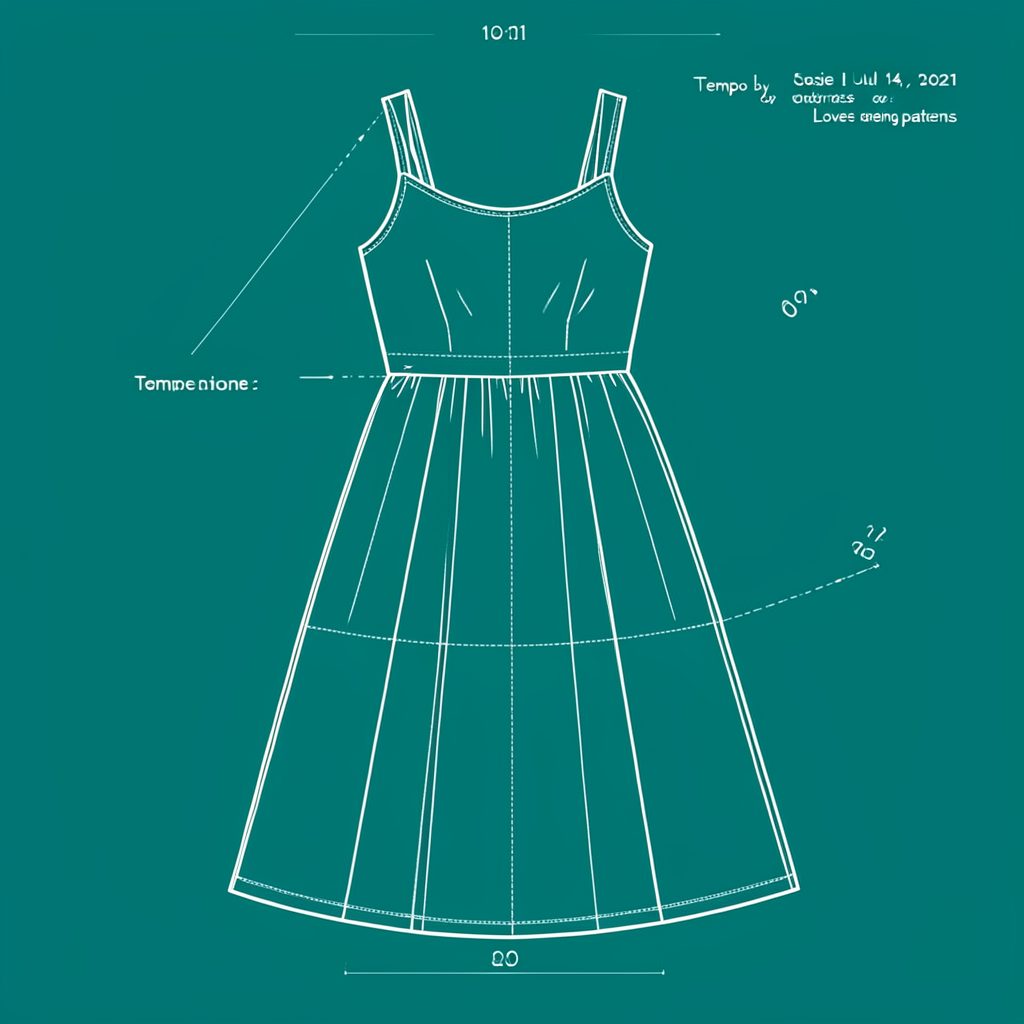
Love Notions Classic Polo Shirt Pattern Review
A well-drafted polo shirt pattern can earn a permanent place in a handmade wardrobe. It bridges the gap between a casual T-shirt and a smarter woven blouse, while still offering the comfort of stretch fabric. The Love Notions Classic Polo Shirt aims to fill that useful space with a practical, wearable design that can be adapted for different seasons.
My version was approached as an everyday garment rather than a special-occasion make. I wanted something suitable for jeans, cord trousers, and layered outfits, with enough structure around the collar and placket to look polished. As with any independent pattern review, you can read my pattern review disclosure for information about how products and links are handled on the blog.
The overall design
The Classic Polo Shirt has the familiar features that make a polo instantly recognisable: a knitted fabric base, a shaped collar, and a front opening with buttons or snaps. These details give the finished garment more presence than a basic tee without making it feel formal or restrictive.
The pattern is especially appealing because it can be treated as a wardrobe staple. A plain cotton jersey creates a simple everyday top, while a striped knit, textured pique, or contrast collar can give it a more distinctive look. The design leaves room for fabric and colour to do much of the creative work.
Depending on the view and sleeve option selected, the shirt can work across more than one season. A short-sleeved version is useful in warmer weather, while longer sleeves and a heavier knit make the style practical for cooler Yorkshire days.
Fabric choice makes a difference
A stable knit is the safest starting point for this project. Cotton jersey with moderate recovery is comfortable and relatively easy to handle, but it should not be so thin that the placket or collar looks limp. A lightweight pique, ponte-style knit, or smooth cotton-spandex jersey can provide more body if you want a sharper finish.
Fabric with too much drape may produce a softer, less structured polo. That is not necessarily a problem, but the result will look more relaxed. Conversely, a very firm knit can make the collar and button opening harder to manipulate, particularly if you are still gaining confidence with knit construction.
| Fabric choice | Likely result | Best use |
|---|---|---|
| Cotton jersey with stretch | Comfortable and casual | Everyday polo |
| Cotton pique knit | Structured and classic | Smart-casual outfit |
| Lightweight ponte | Stable and polished | Cooler weather |
| Striped or printed jersey | More visual interest | Statement wardrobe piece |
| Very drapey rayon jersey | Soft but less defined | Relaxed fit, if carefully handled |
Before cutting, wash the fabric as you intend to launder the finished shirt. Check its stretch and recovery in both directions, then compare the fabric weight with the intended season. A small test swatch is worthwhile for the collar and placket, since these areas reveal quickly whether the knit has enough stability.
Sizing and fit considerations
The best starting point is the finished garment measurements rather than relying on a familiar ready-to-wear size. Compare the pattern chart with your bust, waist, and hip measurements, then consider how much ease you prefer in a polo. A close fit can look neat beneath a cardigan, while a little extra room gives a more casual appearance.
Length is also worth checking before cutting. A polo that ends at the high hip will have a different proportion from one that covers the seat, particularly when paired with jeans or leggings. If your measurements fall across several sizes, blending between sizes may produce a more balanced result than choosing a single size throughout.
Make a quick toile if you are uncertain about the fit, or at least baste the main seams before finishing. This is especially helpful when using a fabric with a different amount of stretch from the one used in the sample. Small adjustments to side seams, sleeve length, or hem depth can make the finished shirt feel much more personal.
Construction details that matter
The collar and front placket are the defining parts of this sewing project, and they deserve a slower approach. Mark the centre front accurately, use the recommended interfacing or stabiliser where needed, and press each stage before moving on. A pressing cloth can help protect delicate jersey from shine or stretching.
A narrow zigzag, stretch stitch, or overlocker is useful for the main seams, but a regular sewing machine can handle the project with the right needle and settings. A ballpoint or stretch needle helps prevent skipped stitches, while a walking foot may improve fabric control on slippery or highly elastic knits.
The hem finish affects the overall quality of the garment. A twin needle can create a familiar ready-to-wear finish, although a zigzag or coverstitch is also suitable. Test on scraps first, because every knit reacts differently. If the hem waves, reduce the pressure or stabilise the edge temporarily with washable tape or tissue paper.
How the finished shirt wears
The Classic Polo Shirt has the potential to become one of those dependable garments that reaches the front of the wardrobe regularly. It looks at home with casual trousers and trainers, but a cleaner fabric and carefully chosen buttons can make it suitable for a smarter setting. The collar adds definition around the face, which can be useful when a simple T-shirt feels too plain.
A solid neutral is an excellent first make because it demonstrates the shape clearly. Navy, cream, charcoal, olive, and burgundy are easy to combine with other clothes, while a striped version can add interest without requiring colour-blocking or complicated details. Contrast fabric on the collar or placket is another way to personalise the pattern.
For anyone who prefers a softer silhouette, choose a drapier knit and avoid over-fitting. For a more traditional polo appearance, use a stable fabric, give attention to the collar points, and keep the topstitching even. The pattern is flexible enough to support both approaches.
Practical tips for a smoother make
The project is manageable for a confident beginner, although the placket may feel more involved than a standard knit top. Read through the instructions before cutting and identify every piece connected with the collar, opening, and sleeve finish. Taking photographs of each stage can also help if you pause the project and return to it later.
For a reliable result, keep these points in mind:
- Stabilise the front opening before sewing so the fabric does not stretch out of shape.
- Use clips instead of pins when working with thick or delicate jersey.
- Mark the collar centre and shoulder points clearly before attaching it.
- Test buttonholes, snaps, or topstitching on a fabric scrap first.
- Press between stages, but lift and reposition the iron rather than dragging it across the knit.
These small habits make the construction feel calmer and help the finished shirt look intentional. They are also useful techniques for other knit garments, so the effort invested in this pattern can improve future projects.
Final thoughts on the pattern
The Love Notions Classic Polo Shirt is a practical addition to an indie sewing pattern collection. Its appeal lies in its balance: it is more distinctive than a plain tee, yet still straightforward enough to wear frequently. The collar and placket provide opportunities to practise useful sewing skills without committing to a highly complicated garment.
It is also a good pattern for exploring fabric personality. The same design can look sporty, classic, relaxed, or slightly dressy depending on the knit, colour, and finishing choices. That flexibility makes it a valuable option for sewists who want to build a coordinated handmade wardrobe rather than sew one-off novelty pieces.
If you enjoy practical makes, you can find more pattern reviews, garment projects, and fabric ideas among my sewing projects. Choose a stable knit, prepare the placket carefully, and make the Classic Polo Shirt your own with a fabric that suits the way you really dress.
Popular Pattern Reviews
| Pattern | Designer | Type | Highlight |
|---|---|---|---|
| Compose Robe (Kids) | Love Notions | Robe / Loungewear | Sizes 2T–16, cosy & practical |
| Tempo Sundress | Love Notions | Sundress | No closures, shirred back panel |
| Arlington Sweater | Love Notions | Sweater | Cold-weather staple |
| Sybil Illusion Skirt | Love Notions | Skirt (knit) | 7 variations, optional pockets |
| Camden Pinafore | Nina Lee Patterns | Pinafore dress | Year-round layering piece |
| Ogden Cami (dress hack) | True Bias | Cami / Dress | Versatile wardrobe builder |
| Burda 6829 | Burda | Dress | Multi-sized, special-occasion |
Stay in Touch
Subscribe to the newsletter for sewing inspiration, pattern tips, and project ideas delivered straight to your inbox.