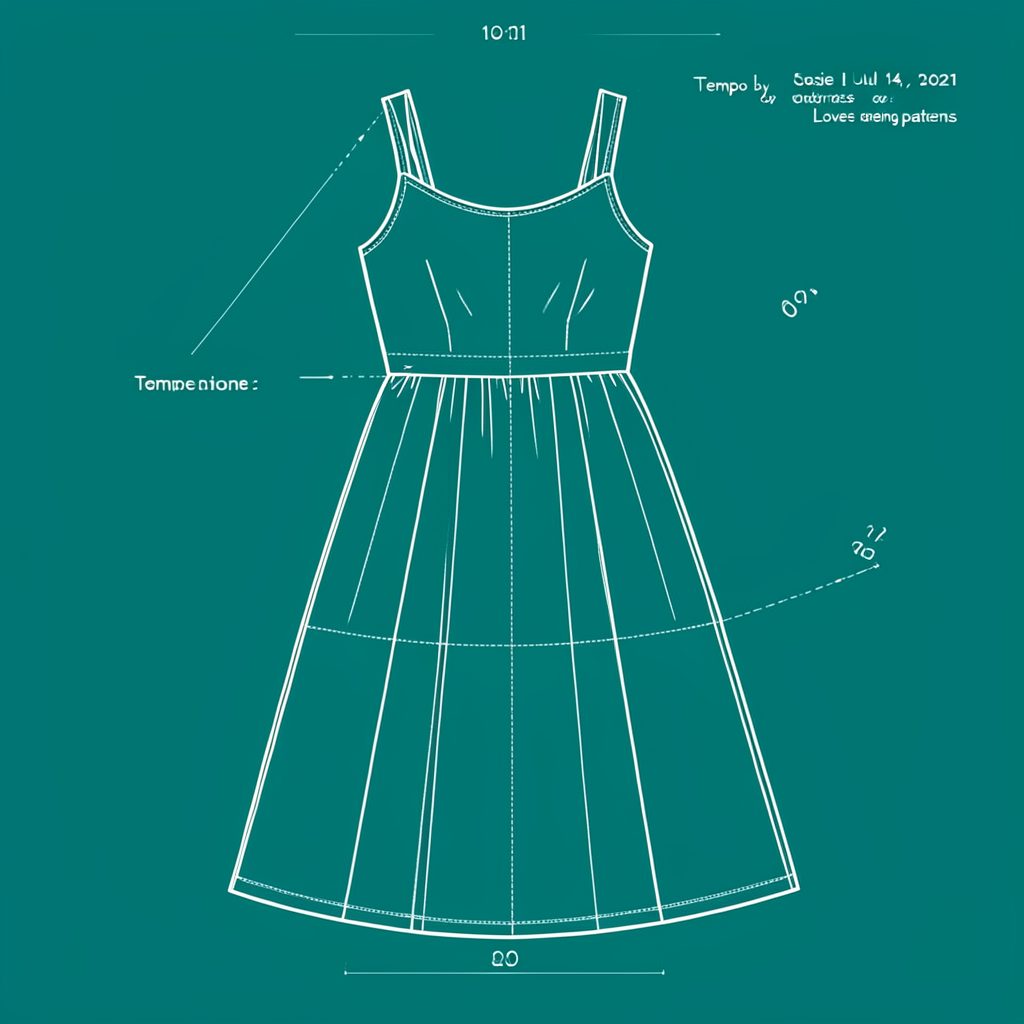
Quick Sewing Ideas For The Love Notions Essential Tank
A simple tank top can become one of the most useful projects in a handmade wardrobe. It is quick enough for a confident beginner, adaptable enough for an experienced sewist, and practical in every season. The Love Notions Essential Tank is especially appealing because one basic pattern can lead to several very different garments, depending on fabric, length, finishing details, and styling.
This is the kind of project that works well when you want an almost-instant sewing win. It can use a small length of knit fabric, help you practise sewing stretch seams, and provide a reliable wardrobe basic without demanding a complicated fitting process. Once the first version is finished, it is easy to imagine a whole group of variations.
The best approach is to treat the pattern as a starting point rather than a final destination. A soft everyday tank, a bright layering piece, and a polished camisole-style top can all come from the same foundation.
Choose Fabric That Matches The Plan
Fabric makes the biggest difference to the final result. A cotton jersey with moderate stretch is usually a comfortable choice for a first version because it is stable, familiar, and easy to handle. Cotton-spandex jersey gives useful recovery, helping necklines and armholes retain their shape after wearing and washing.
For a drapier garment, try rayon jersey, bamboo jersey, or a lightweight modal knit. These fabrics create a softer silhouette and skim the body beautifully, although they can be more slippery during cutting and sewing. A rib knit can produce a close-fitting tank with plenty of texture, while a lightweight athletic knit is useful for an activewear-inspired version.
Before cutting, wash and dry the fabric in the same way you expect to launder the finished top. Check its stretch in both directions and compare it with the pattern requirements. A fabric that looks perfect on the roll may behave very differently once it has been washed or allowed to relax.
Make A Fast Everyday Version
For the quickest project, choose a simple cotton jersey in a colour that works with your existing wardrobe. Black, navy, grey, cream, olive, and deep burgundy are dependable choices, but a small-scale stripe or subtle print can make the finished piece feel more considered without adding construction time.
Use a stretch stitch or narrow zigzag on a regular sewing machine, or a serger if you have one. Test the stitch on scraps first, particularly around the neckline and armholes. The seam should stretch with the fabric rather than pop when the garment is pulled over the head.
Keep the finishing straightforward. A twin-needle hem can give a neat, ready-to-wear appearance, while a zigzag finish is perfectly serviceable for a relaxed tank. If you are using a very lightweight knit, clear elastic or stabilising tape in the shoulder seams can prevent them from stretching during construction.
Turn One Pattern Into Several Looks
Small design changes can make the Essential Tank feel like a new pattern. Try a contrast binding or bands in a coordinating colour for a sporty effect. A solid front with a printed back can use up a smaller piece of special fabric, and colour blocking creates visual interest without needing complicated sewing techniques.
Length is another easy variation. A cropped version works well with high-waisted trousers and skirts, while a longer hem can provide comfortable coverage beneath cardigans or open shirts. If you are modifying the length, measure from a top that already fits you and consider where you want the hem to sit when standing and moving.
You can also experiment with fabric combinations. A stable jersey body with a softer binding may give the neckline a smoother finish. Alternatively, make the entire tank from a lightweight stripe and use careful stripe matching as the main feature. These details are simple, but they make a repeat version feel intentional rather than identical.
Build A Seasonal Layering Wardrobe
A tank does not have to be limited to hot weather. Sew one in a fine merino blend or lightweight wool jersey for wearing beneath knitwear during colder months. A slim version can sit comfortably under a blouse, sweatshirt, or cardigan without creating excess bulk.
For summer, linen jersey and breathable cotton blends can make excellent warm-weather tops. Look for fabrics with enough recovery to support the neckline, since loose, unstable knits may become stretched with repeated wear. A printed tank paired with plain shorts or wide-leg trousers can form the foundation of an easy holiday outfit.
Think about colour as well as fabric. A group of tanks in neutrals, muted brights, and one or two patterned fabrics can create many combinations. If you enjoy planning coordinated projects, my guide to UK indie fabric shops may help you find suitable jersey for both basic and more distinctive versions.
Add A Little More Polish
The Essential Tank can be a fast make while still looking refined. Press each seam as you sew, use a fresh needle suited to knit fabric, and take time to stabilise areas that may stretch. These small habits often have more impact than adding decorative details.
A narrow neckband usually gives a clean finish, but the exact result depends on the fabric’s recovery and the accuracy of the band length. If a band seems too loose, reduce its length carefully and retest it on the garment. If it is too tight, it may pull the neckline into an unwanted shape.
For a more elevated look, choose a fluid fabric in a rich colour and finish the hem with a narrow twin-needle seam. You could also add a small woven label, subtle embroidery, or a tiny appliqué near the hem. Keep embellishment restrained so the clean shape remains the focus.
| Project idea | Suitable fabric | Useful detail | Best use |
|---|---|---|---|
| Everyday basic | Cotton-spandex jersey | Simple twin-needle hem | Jeans, skirts, and layering |
| Soft drape tank | Modal, bamboo, or rayon jersey | Careful pressing and stabilisation | Relaxed summer outfits |
| Sporty colour block | Athletic knit or cotton jersey | Contrast bands or panels | Casual weekends and travel |
| Winter base layer | Fine merino or wool blend | Close fit and stable seams | Under cardigans and knitwear |
| Statement version | Stripe, print, or textured rib | Thoughtful placement and matching | A distinctive wardrobe accent |
Improve Fit With A Test Version
Although the pattern is designed as an approachable project, a quick toile or wearable test can save frustration. Use inexpensive knit fabric with similar stretch to your preferred material. This will help you check the bust, neckline, armhole, and length before cutting into a favourite print.
Pay attention to how the garment behaves when you move. Raise your arms, sit down, bend forward, and check whether the hem rides up or the armholes gape. A tank may feel fine while standing still but reveal fitting issues during normal wear.
If you are between sizes, compare the pattern measurements with a tank you already like. Consider both the finished garment measurements and the amount of ease. A firmer knit may need a different size choice from a loose, drapey jersey. Keep notes about adjustments so the next version is quicker and more accurate.
Simple Sewing Habits That Help
Knit sewing becomes much less intimidating when the machine is prepared properly. Use a ballpoint or stretch needle, reduce the presser-foot pressure if your machine allows it, and avoid pulling the fabric as it passes beneath the foot. Let the feed dogs move the fabric at their own pace.
Rotary cutting can improve accuracy, especially with slippery jersey, but sharp fabric scissors work well too. Place pattern weights close to the cutting line and make sure the fabric is lying completely flat. Mark the front and back pieces clearly if the shape is similar, as this prevents avoidable mistakes later.
Finally, allow the completed tank to rest before judging the fit. Some knits relax after sewing and pressing. Wash the garment once, wear it with clothes already in your wardrobe, and note what you would alter next time. Keep a record of the fabric type, size, and changes; this turns every quick project into useful information for future makes.
Plan A Small Collection
- Begin with a stable cotton jersey in a colour you wear often.
- Make a second version with a different length or neckline finish.
- Use a print, stripe, or colour-blocked design for visual variety.
- Reserve drapier fabrics for a later version once you understand the fit.
- Keep notes on stretch, sizing, and laundering for reliable repeats.
The Love Notions Essential Tank is a practical pattern for building sewing confidence and adding useful handmade basics to your wardrobe. Start with a straightforward version, then let each repeat teach you something about fit, fabric, and finishing. For pattern-specific terms, sizing, and current options, always check the designer’s instructions before making adjustments.
If you share your finished garment online, remember to review the blog’s disclaimer and policies. Then choose a fabric from your stash, clear a little time at the machine, and turn one simple tank pattern into the beginning of a versatile handmade collection.
Popular Pattern Reviews
| Pattern | Designer | Type | Highlight |
|---|---|---|---|
| Compose Robe (Kids) | Love Notions | Robe / Loungewear | Sizes 2T–16, cosy & practical |
| Tempo Sundress | Love Notions | Sundress | No closures, shirred back panel |
| Arlington Sweater | Love Notions | Sweater | Cold-weather staple |
| Sybil Illusion Skirt | Love Notions | Skirt (knit) | 7 variations, optional pockets |
| Camden Pinafore | Nina Lee Patterns | Pinafore dress | Year-round layering piece |
| Ogden Cami (dress hack) | True Bias | Cami / Dress | Versatile wardrobe builder |
| Burda 6829 | Burda | Dress | Multi-sized, special-occasion |
Stay in Touch
Subscribe to the newsletter for sewing inspiration, pattern tips, and project ideas delivered straight to your inbox.