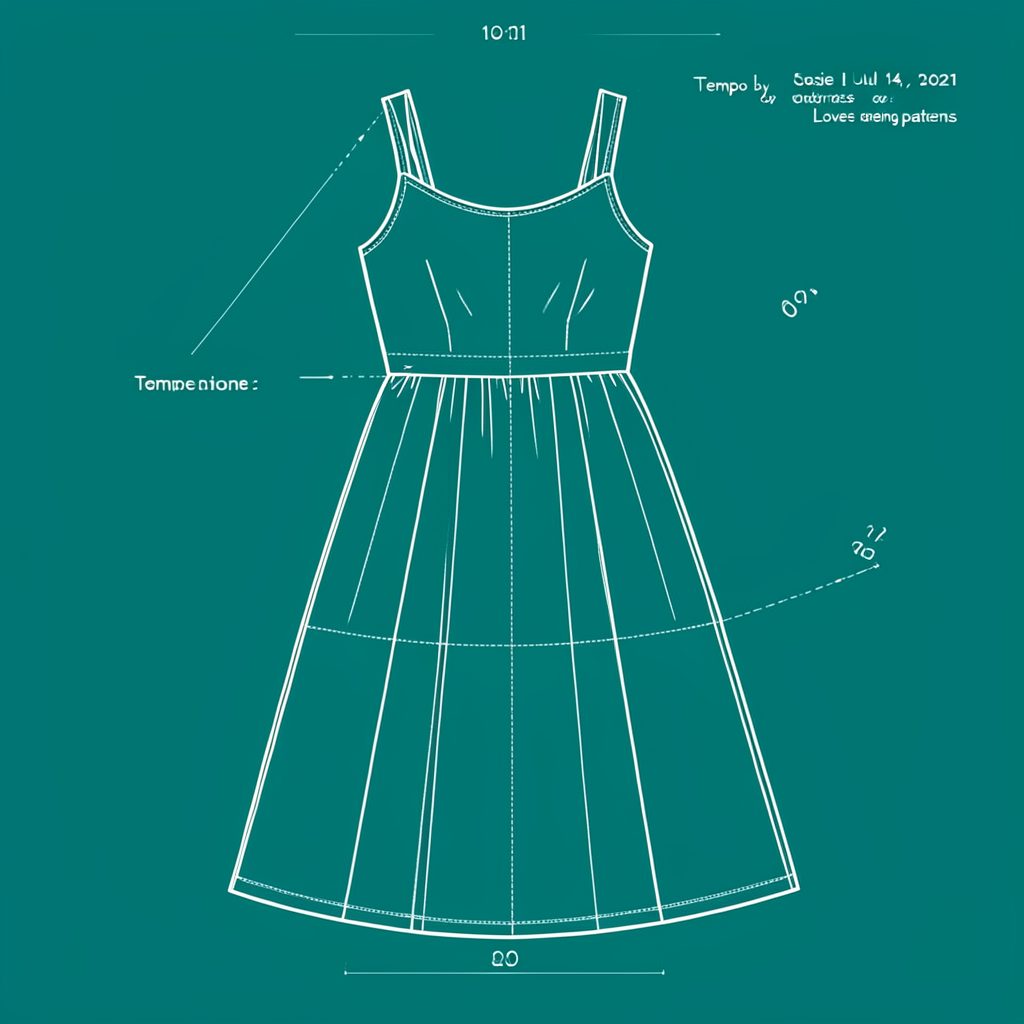
Love Notions Gemma Tank: Layering for All Seasons
A good tank top earns its place in a handmade wardrobe because it can work quietly in the background of so many outfits. Worn alone in warm weather, beneath a cardigan in spring, or under a jumper through winter, it gives a garment more opportunities to be worn. The Love Notions Gemma Tank is especially useful for this kind of wardrobe building because a simple knit design can be adapted through fabric, length, neckline, and styling choices.
For me, the appeal lies in making several versions that feel distinct rather than sewing one “perfect” tank. A lightweight cotton jersey Gemma can become an everyday summer basic, while a soft rib knit or drapey bamboo jersey creates a more polished layering piece. Reviewing indie sewing patterns often reminds me that versatility comes from small decisions made before cutting, not from complicated construction.
You can find more garment ideas and practical makes in my sewing projects, where I share experiments with patterns, fabrics, and construction methods. The same approach works well here: begin with the role you want the tank to play, then choose materials and details to support it.
Choosing Fabric For The Job
The fabric will have a greater effect on the final Gemma Tank than almost any other decision. Look for knit fabric with comfortable stretch and reliable recovery, following the pattern’s current requirements rather than relying on a general rule. A jersey that stretches easily but stays stretched may create a loose neckline or armhole after a few wears.
Cotton-spandex jersey is a dependable starting point. It is easy to wash, comfortable against the skin, and available in a wide range of colours and prints. A single- or double-brushed knit can add warmth for transitional outfits, although it may feel too cosy for high summer. Rib knit gives the tank a closer, more textured appearance, while rayon, bamboo, or modal blends create fluid movement and a softer drape.
Before cutting, wash and dry the fabric in the way you expect to launder the finished garment. Then test a scrap with the intended needle, thread, and stitch. This small sample can reveal skipped stitches, tunnelling, excessive curling, or a fabric that needs stabilising at the shoulder seams.
Fit And Layering Length
A layering tank needs enough ease to sit comfortably beneath another garment without bunching. Compare your measurements with the Love Notions size chart and finished garment measurements, paying attention to the bust and upper torso. If your measurements fall between sizes, think about whether you prefer a close base layer or a more relaxed standalone fit.
Length is equally important. A shorter version can sit neatly beneath high-waisted trousers or skirts, while a longer hem is helpful when the tank will be tucked into jeans or worn beneath a cropped cardigan. If you regularly combine handmade tops with different rises, measuring a favourite ready-to-wear tank can provide a useful reference.
Make a quick toile or use inexpensive knit for the first version if you are unsure about fit. You can check the neckline, armholes, bust position, and overall length before committing to a fabric you love. Small adjustments are easier to plan when you can see how the garment behaves on the body.
Seasonal Styling With One Pattern
The easiest way to make a tank work throughout the year is to treat it as a foundation rather than a complete outfit. In summer, a breathable Gemma can be paired with linen trousers, shorts, or a full gathered skirt. A bold print can carry the outfit, while a neutral version offers flexibility for patterned bottoms.
For spring and autumn, layer it beneath an open shirt, denim jacket, knitted cardigan, or handmade overshirt. These seasons are ideal for medium-weight jerseys that provide a little warmth without becoming bulky. A scoop neckline can remain visible beneath an open layer, while a higher neckline may feel more practical under a low-cut blouse.
Winter layering benefits from thin, smooth fabrics. A fine jersey tank can sit beneath a wool jumper without adding much volume, and a longer hem may help keep the waist covered. If you prefer a warmer base, a lightweight thermal-style knit can be useful, provided it meets the pattern’s stretch and recovery needs.
| Season | Useful Fabric Choice | Layering Partner | Styling Focus |
|---|---|---|---|
| Summer | Cotton jersey, bamboo, or modal knit | Linen shirt or light skirt | Breathability and colour |
| Spring | Midweight cotton-spandex jersey | Cardigan or denim jacket | Easy temperature changes |
| Autumn | Brushed jersey or soft rib knit | Overshirt or relaxed blazer | Texture and warmth |
| Winter | Fine jersey or lightweight thermal knit | Wool jumper or dress | Smooth, close-fitting layers |
Details That Change The Result
Neckline and armhole finishes deserve careful attention because they are highly visible on a tank. Even a simple binding can look professional when it is evenly stretched and pressed. Avoid pulling the binding too tightly, as this can cause rippling or make the opening uncomfortable.
A twin needle, zigzag, or coverstitch can provide a flexible hem finish, depending on your machine and the fabric. Test the stitch length and tension on scraps first. If the hem waves, steaming and pressing may help, but persistent rippling often indicates that the fabric is being stretched during sewing or that the stitch settings need adjustment.
Shoulder seams can benefit from clear elastic or another suitable stabiliser, especially in fabrics with a fluid drape. This prevents the straps from growing during wear and washing. Pressing as you sew also helps the neckline and armholes settle into their intended shape.
If you are developing confidence with garment construction, my zip-fly tutorial covers a more involved technique, but the same habits apply here: sew a test sample, follow the sequence carefully, and pause to check each stage before moving on.
Building A Useful Colour Collection
A small group of tanks can support a surprisingly large wardrobe. Start with a neutral such as black, navy, cream, grey, or olive. This version can be worn under almost anything and is a good choice for checking fit and construction. A second tank in a favourite colour adds personality without reducing versatility.
Prints can be especially effective when the rest of an outfit is simple. Small-scale florals, stripes, and abstract patterns tend to layer easily, while a large directional print may need more planning around the front and back pieces. Stripes also provide a chance to practise matching, although a tank does not require perfect matching at every seam.
Consider the clothes you already wear before buying fabric. A wardrobe full of warm neutrals may benefit from a rich berry or teal tank, while colourful handmade skirts might need a selection of calm, solid bases. The best fabric choice is often the one that fills a gap rather than the one that looks most exciting on the shop page.
Practical Recommendations For Your Next Version
Before starting another Gemma, note what worked and what you would alter from the previous make. Keep these observations with your pattern so the next version becomes quicker and more accurate. A simple record of fabric type, size, length, and adjustments can save a great deal of guesswork.
- Make a neutral cotton-spandex version first if you need an everyday base layer.
- Choose a drapey rayon or bamboo knit for a softer, dressier summer tank.
- Add a longer length when you plan to tuck the garment into trousers or skirts.
- Use a rib knit or brushed jersey for an autumn version with extra texture.
- Stabilise shoulder seams and test every hem finish on a fabric scrap.
It is also worth checking the pattern files and Love Notions’ current instructions before cutting, since sizing, layers, and construction details can change over time. My about page explains more about the making-focused approach behind this blog and why practical testing is such a central part of my sewing process.
Make The Tank Work Harder
The Gemma Tank becomes most valuable when each version has a clear purpose. One may be the reliable piece for gardening, errands, and layering, while another is reserved for summer outfits or evenings out. Changing the fabric and colour can make the same basic pattern feel fresh without requiring a completely new drafting process.
Keep the finished tanks where you can see them when planning outfits. Try them with cardigans, jackets, dresses, and different trouser rises rather than judging each one as a standalone top. You may discover that a version you considered too plain is exactly what a patterned skirt needs, or that a slightly longer tank makes winter dressing much more comfortable.
If you have the pattern already, choose one seasonal gap in your wardrobe and sew a version to fill it. Share your fabric choice and styling ideas with the welcoming sewing community around independent patterns, and keep building a collection of handmade layers that reflects how you actually live.
Popular Pattern Reviews
| Pattern | Designer | Type | Highlight |
|---|---|---|---|
| Compose Robe (Kids) | Love Notions | Robe / Loungewear | Sizes 2T–16, cosy & practical |
| Tempo Sundress | Love Notions | Sundress | No closures, shirred back panel |
| Arlington Sweater | Love Notions | Sweater | Cold-weather staple |
| Sybil Illusion Skirt | Love Notions | Skirt (knit) | 7 variations, optional pockets |
| Camden Pinafore | Nina Lee Patterns | Pinafore dress | Year-round layering piece |
| Ogden Cami (dress hack) | True Bias | Cami / Dress | Versatile wardrobe builder |
| Burda 6829 | Burda | Dress | Multi-sized, special-occasion |
Stay in Touch
Subscribe to the newsletter for sewing inspiration, pattern tips, and project ideas delivered straight to your inbox.