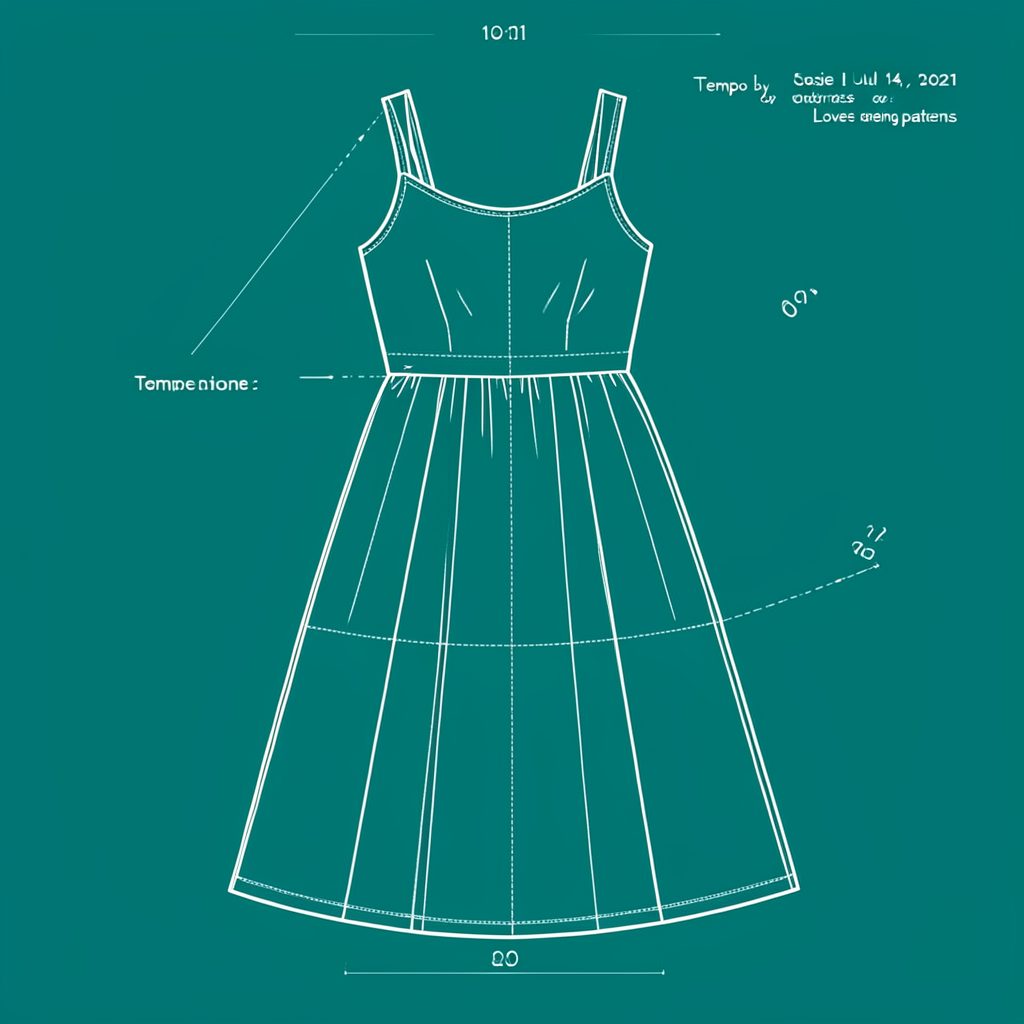
Love Notions Ingrid Top: A Fast Make for Experienced Sewists
The Love Notions Ingrid Top is the kind of project that earns a regular place in a handmade wardrobe. It has enough shape and detail to feel considered, yet it avoids the long sequence of fitting adjustments and construction stages that can turn a simple garment into a week-long undertaking.
For experienced sewists, speed does not have to mean cutting corners. A quick make can come from reliable pattern drafting, sensible fabric choices, efficient preparation, and knowing which steps deserve careful attention. The Ingrid Top offers a useful combination of those qualities, making it a practical choice when you want something wearable without committing to an ambitious sewing project.
It also fits neatly into the rhythm of an indie pattern wardrobe. You can use a favourite knit, test a new colour, or sew a variation that fills a gap in your everyday clothes. A few deliberate decisions before cutting will make the process even smoother.
What Makes This Pattern So Efficient
The appeal of the Ingrid Top lies in its streamlined approach. There is no need for a complicated lining, elaborate fastening, or a long list of small components. Once the pattern pieces are printed, assembled, and cut, the sewing itself can move along at a satisfying pace.
That makes it particularly suitable for a confident sewist who already understands seam allowances, stretch direction, and the behaviour of knit fabrics. You can spend less time decoding basic instructions and more time refining the finish. If you are familiar with Love Notions patterns, the general workflow may feel even more intuitive.
A fast project still benefits from a measured start. Check the finished garment measurements, identify the intended ease, and compare them with a garment you already enjoy wearing. This is more dependable than choosing a size from body measurements alone, especially when your preferred fit sits between two sizes.
Choosing Fabric With Confidence
A stable, good-quality knit is usually the safest starting point for a quick Ingrid Top. Cotton jersey with a little elastane offers predictable recovery and is comfortable for everyday wear. Modal blends, bamboo jersey, and lightweight rayon knits can create a softer drape, although they may require more care while cutting and sewing.
Pay attention to the pattern’s stretch requirement and test your fabric before making decisions. Measure a section of fabric, stretch it to the recommended percentage, and check whether it returns to its original shape. A fabric that stretches easily but stays distorted may produce a loose neckline or an unexpectedly long hem.
For a polished result, prewash and dry the fabric in the way you expect to launder the finished top. This removes surprises later. A rotary cutter, fresh needle, and narrow zigzag or stretch stitch will help maintain the fabric’s flexibility, while an overlocker can make seam construction especially quick.
Preparing the Pattern Before Cutting
Experienced sewists often save the most time before the machine is switched on. Print only the required size range if the file allows it, or highlight the relevant lines with a bright pencil. This makes nested sizes easier to follow and reduces the chance of accidentally cutting along the wrong curve.
Trace between sizes where necessary rather than treating the size chart as a rigid decision. A full bust adjustment, small bust adjustment, or simple blending at the waist may be worthwhile if your measurements span several sizes. Even a fast garment deserves a fit that feels intentional.
Consider making a quick test version if you are using an unfamiliar fabric or are close to the edge of the size range. This does not have to be a complete wearable toile. Testing the bodice or one key section can confirm the neckline, shoulder width, and overall ease before you cut into a treasured print.
Construction Details Worth Taking Care With
Neckline finishing is often the area that separates a rushed knit top from a professional-looking one. Stabilise the relevant edge if the fabric is particularly soft, and avoid stretching it while attaching the neckband or binding. Let the fabric feed naturally under the presser foot rather than pulling it towards you.
Pressing also matters. Use a low-to-medium temperature suitable for the fibre content and press seams as you go. A tailor’s ham or a rolled towel can help shape curved areas without flattening them. Small amounts of steam may encourage a seam to settle, but always test first on a scrap.
If the pattern includes optional details or multiple sleeve and hem choices, decide on those before cutting. Mark notches clearly and keep the pieces organised. The fastest make is rarely the one sewn at maximum speed; it is the one with the fewest avoidable interruptions.
How the Ingrid Top Fits Into a Handmade Wardrobe
A versatile top should work with more than one outfit, and the Ingrid is well suited to that role. A plain version can sit beneath dungarees, cardigans, or a tailored jacket, while a patterned fabric can become the focal point of a simple jeans-and-boots combination.
Fabric weight changes the character of the finished garment. A firmer jersey may create a cleaner, more structured silhouette, while a drapier knit gives a softer everyday look. A small-scale print can highlight the shape without demanding pattern matching, making it a sensible choice for a first version.
| Project choice | Likely result | Best use |
|---|---|---|
| Stable cotton jersey | Defined shape and easy handling | Everyday staple |
| Soft modal or bamboo knit | Fluid drape and gentle movement | Relaxed layering |
| Stripe or small print | Clear visual interest | Casual wardrobe piece |
| Plain midweight knit | Focus on fit and construction | First version |
| Lightweight fabric | Softer, less structured finish | Warm-weather top |
Before sharing project photographs or fabric details, it is worth checking the blog’s disclosure policy so that gifted materials, affiliate relationships, or sponsored elements are described clearly. Transparency adds useful context for anyone deciding whether to try the same pattern or fabric.
Making the Process Work for You
A timed sewing session can be an enjoyable way to approach this project. Start by gathering the correct needle, thread, clips, stabiliser, and pressing tools. Then cut the fabric, sew the main seams, finish the neckline, and leave hemming until the garment can be tried on. This sequence keeps the work focused and makes fitting adjustments easier.
Do not assume that a fast make has to be a basic make. You can use contrast thread, a carefully chosen hem finish, or a subtle label to give the top a more personal character. Experienced sewists may also enjoy experimenting with sleeve length, colour blocking, or a contrast neckband once the core construction is familiar.
Keep notes as you go. Record the size sewn, fabric composition, alterations, and any changes you would make next time. Those details become especially valuable when a quick project turns into a repeat pattern. The privacy policy explains how personal information is handled on the site, while your own sewing notes can preserve the practical information that matters at the cutting table.
Practical Choices For Your Next Version
The Ingrid Top is a strong candidate for a wardrobe-building approach: make one straightforward version, assess the fit, and then use the information to create more distinctive variations. A tried-and-tested pattern can reduce decision fatigue while still leaving room for fabric and styling choices.
For a smooth first project, keep the design and fabric simple. Once you know how the neckline, length, and ease work for you, a second version can be more adventurous without adding unnecessary risk.
- Choose a knit with dependable stretch and recovery.
- Compare finished measurements with a garment you already wear.
- Test the neckline construction on a fabric scrap before assembling the top.
- Press each seam and try the garment on before final hemming.
- Record successful alterations for future versions.
The result should be a comfortable, wearable garment that demonstrates the value of sewing with purpose. Set aside an afternoon, prepare the pieces carefully, and let the Ingrid Top become one of those reliable patterns you return to whenever you want a satisfying handmade finish without a lengthy commitment.
Popular Pattern Reviews
| Pattern | Designer | Type | Highlight |
|---|---|---|---|
| Compose Robe (Kids) | Love Notions | Robe / Loungewear | Sizes 2T–16, cosy & practical |
| Tempo Sundress | Love Notions | Sundress | No closures, shirred back panel |
| Arlington Sweater | Love Notions | Sweater | Cold-weather staple |
| Sybil Illusion Skirt | Love Notions | Skirt (knit) | 7 variations, optional pockets |
| Camden Pinafore | Nina Lee Patterns | Pinafore dress | Year-round layering piece |
| Ogden Cami (dress hack) | True Bias | Cami / Dress | Versatile wardrobe builder |
| Burda 6829 | Burda | Dress | Multi-sized, special-occasion |
Stay in Touch
Subscribe to the newsletter for sewing inspiration, pattern tips, and project ideas delivered straight to your inbox.