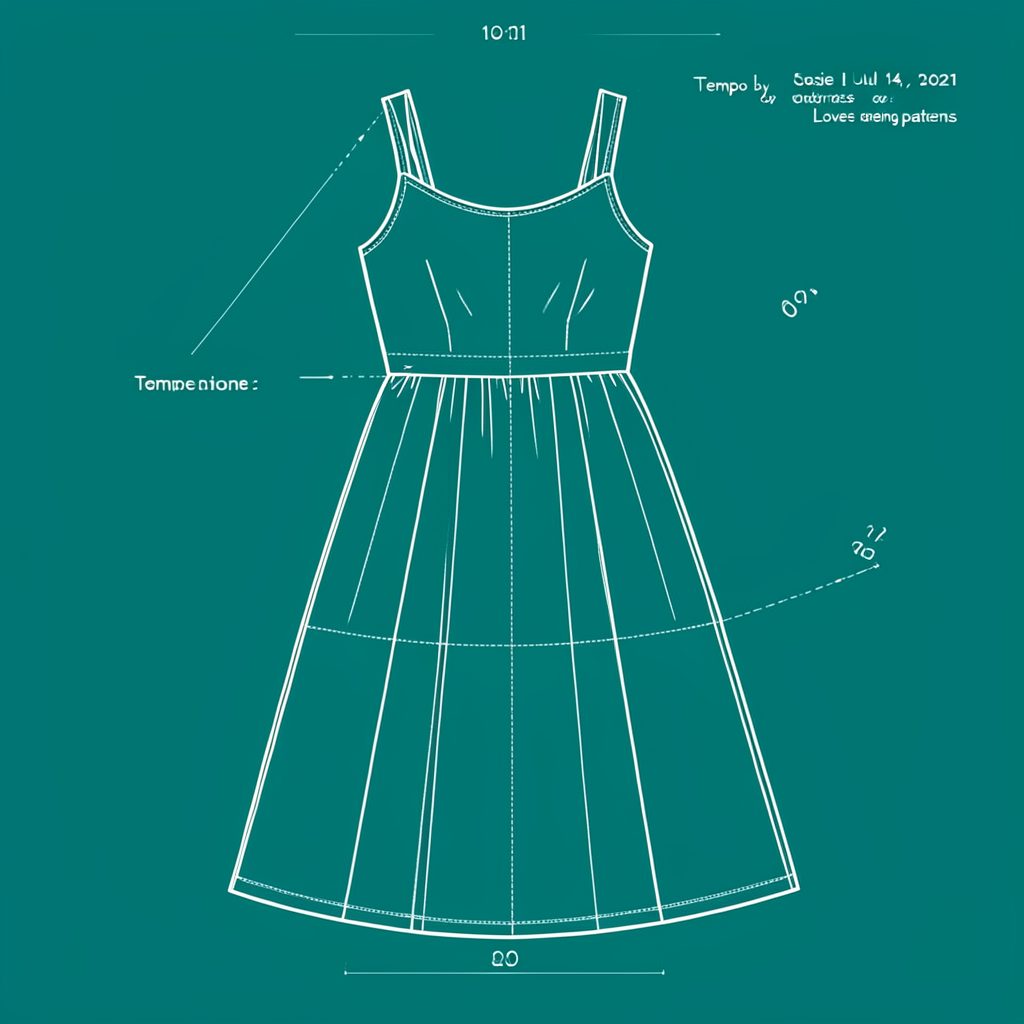
A Better-Fitting Sloane Sweater For Curvy Sewists
The Love Notions Sloane Sweater is a useful pattern for building a comfortable handmade wardrobe, but selecting a size from the bust measurement alone can produce drag lines, a raised hem, or sleeves that feel unexpectedly tight. Curvy figures often need more attention at the full bust, upper arm, waist, and hip than a standard size chart suggests.
A good fit begins before cutting. Take fresh body measurements, study the finished garment measurements, and consider how much stretch your knit fabric provides. The Sloane’s relaxed shape gives you some ease to work with, yet small adjustments can make the difference between a sweater that merely fits and one you reach for every week.
For more independent pattern reviews, garment-making ideas, and practical sewing notes from Yorkshire, browse It Is Josie. The same careful approach applies whether you are making a first knit top or refining a tried-and-tested pattern.
Start With Your Actual Measurements
Measure your full bust, high bust, waist, hip, bicep, and back length while wearing the undergarments you normally wear beneath a sweater. Keep the tape level and comfortably close to the body rather than pulling it tight. If you are between sizes, record both measurements instead of rounding them to fit a single chart entry.
Your high-bust measurement is especially helpful when your full bust is considerably larger. Choosing a size using the high bust can give you a better fit through the shoulders and upper chest, followed by a full-bust adjustment. This prevents the neckline and armhole from becoming too large simply because the bust measurement required a bigger size.
Check the pattern’s finished measurements as well as its body chart. Finished measurements reveal the intended ease, which is the space between your body and the garment. A close-fitting sweater usually needs less ease than a loose, cosy style, while a firm knit may need more room to remain comfortable during movement.
Choose A Size For The Upper Body
Curvy sewists commonly need more width at the bust and hips than at the shoulders. If you grade between sizes, keep the smaller size across the neckline and shoulder area, blend outward toward the bust, then continue to the waist or hip measurement required by your shape. Use a smooth line rather than creating a sudden step between sizes.
A full-bust adjustment may be appropriate when the shoulders fit but the fabric pulls horizontally across the bust. Typical signs include diagonal wrinkles from the bust toward the armhole, a front hem that rides up, and a neckline that sits farther away from the body than intended. These lines indicate that the front needs additional length and width over the bust curve.
Trace the pattern pieces before making changes if you want to preserve the original tissue or printed sheet. Swedish tracing paper, baking parchment joined with tape, or lightweight pattern paper can all work for tracing. Mark the bust point and grainline clearly, since accurate pivoting depends on those reference points.
Match Fabric To The Intended Ease
The fabric can change the fit as much as the pattern size. A stable cotton jersey gives a different result from a drapey rayon knit, and both behave differently from a thicker French terry or sweatshirt fleece. Check the pattern recommendations, then test the actual fabric rather than relying on its fibre content alone.
Measure stretch across the cross-grain by placing pins a fixed distance apart. Stretch the fabric gently and note how far the second pin travels. Recovery matters too: a knit that stretches easily but stays baggy may create a larger garment after a few hours of wear. Wash and dry a sample in the way you plan to launder the finished sweater before cutting.
| Fabric Choice | Likely Result | Fit Check |
|---|---|---|
| Cotton jersey | Stable, breathable, moderate structure | Check that the neckline and hem do not feel restrictive |
| Rayon or bamboo jersey | Soft, fluid, and drapey | Watch for extra length and cling around the bust |
| French terry | Comfortable with body and warmth | Confirm that the sleeve and hem bands accommodate thickness |
| Sweatshirt fleece | Warm and structured | Test seam bulk and allow room for movement |
| Rib knit accents | Very stretchy and springy | Use carefully for bands so they do not pull the main garment inward |
Before committing to your best fabric, sew a quick toile or a shortened test version from a similar knit. It does not need to be beautiful. Its purpose is to show whether the neckline, bust, sleeve, and hem sit correctly on your body.
Make A Full-Bust Adjustment Carefully
A full-bust adjustment adds width and length to the front without enlarging the shoulder. The usual method involves cutting toward the bust point, opening the pattern to add the required width, and allowing the lower section to lengthen as the adjustment spreads. The new side seam is then smoothed and the hem is redrawn.
Avoid placing the bust point directly on the fullest part of the finished garment. The pattern’s bust point should sit a little above or in front of your actual bust apex, depending on the design and the amount of ease. A dartless knit adjustment can distribute the added room through the front rather than forming a visible dart.
After the adjustment, compare the side seam length with the back. If the front becomes longer, that may be correct because it needs to travel over the bust. Do not automatically trim it to match before checking the garment on your body; removing that extra length can cause the hem to lift at the front.
Check The Upper Arm And Sleeve Shape
A sweater can fit beautifully through the bust and still feel uncomfortable because the sleeve is too narrow at the bicep. Measure around the fullest part of your upper arm, then compare that measurement with the sleeve’s finished circumference. Include a little movement room if you prefer to layer a camisole or thin blouse underneath.
If the sleeve is tight only near the upper arm, widen the sleeve gradually from the underarm to the bicep line and blend back toward the cuff. If the whole sleeve feels restrictive, check whether the fabric has less stretch than the pattern expects. Adding width to the sleeve will not solve a fabric that lacks the required recovery or cross-grain stretch.
Pay attention to the armhole as well. A very deep armhole may seem generous, but it can create folds and make the sweater rise when you lift your arms. A closer armhole with a sleeve that has enough circumference often gives better mobility and a neater appearance.
Balance The Front, Back, And Hem
Curvy bodies vary in more ways than bust and hip circumference. A rounded upper back, fuller abdomen, prominent seat, or swayback can all affect how a sweater hangs. If the back hem hikes upward, add length through the back pattern piece rather than simply extending the bottom edge. This keeps the side seams and hemline balanced.
For a fuller abdomen, add front length and width where needed, blending the change into the side seam. A rounded tummy adjustment should follow the body’s curve instead of creating a straight extension that projects away from the body. Tissue fitting over a close-fitting top can reveal exactly where the extra room belongs.
Use a mirror, photographs, and horizontal balance lines during the fitting stage. The hem should remain reasonably level, the side seams should hang vertically, and the neckline should sit smoothly without pulling toward the back or front. Temporary basting makes these checks much easier than trying to diagnose problems after topstitching and hemming.
Practical Fitting Checks Before Cutting
A few simple checks can make your next Sloane project more predictable:
- Compare high-bust and full-bust measurements before selecting the starting size.
- Check finished garment measurements at the bust, waist, hip, and upper arm.
- Test the fabric’s stretch and recovery after washing.
- Make a quick toile when changing sizes or using a new fabric type.
- Mark the front, back, and sleeve pieces clearly to avoid stretching the wrong edge during assembly.
When sewing the final garment, use a stretch stitch or narrow zigzag for seams and a twin needle or suitable coverstitch for hems, if your machine handles them well. Stabilise shoulder seams with clear elastic or a narrow strip of lightweight stay tape where appropriate. Press gently rather than stretching the knit, and let the garment rest before judging the finished fit.
Small details also influence comfort. A neckline band that is too short can pull the shoulder seams inward, while a band that is too long may gape. Measure the opening, account for the fabric’s recovery, and baste the band before permanently stitching it. If you share progress or finished makes online, review the privacy information on the privacy policy page before adding personal details or photographs.
A well-fitting sweater is worth the extra preparation. Use the paper pattern as a starting point, then let your measurements, fabric, and preferred ease guide the alterations. Once you identify the adjustments your body needs, record them on the pattern for an easier second version and a more reliable handmade wardrobe.
Take your measurements, trace the pieces, and make a test version before cutting into your favourite knit. With a considered size choice and a few targeted alterations, your Sloane sweater can feel comfortable across the bust, easy through the arms, and balanced from neckline to hem.
Popular Pattern Reviews
| Pattern | Designer | Type | Highlight |
|---|---|---|---|
| Compose Robe (Kids) | Love Notions | Robe / Loungewear | Sizes 2T–16, cosy & practical |
| Tempo Sundress | Love Notions | Sundress | No closures, shirred back panel |
| Arlington Sweater | Love Notions | Sweater | Cold-weather staple |
| Sybil Illusion Skirt | Love Notions | Skirt (knit) | 7 variations, optional pockets |
| Camden Pinafore | Nina Lee Patterns | Pinafore dress | Year-round layering piece |
| Ogden Cami (dress hack) | True Bias | Cami / Dress | Versatile wardrobe builder |
| Burda 6829 | Burda | Dress | Multi-sized, special-occasion |
Stay in Touch
Subscribe to the newsletter for sewing inspiration, pattern tips, and project ideas delivered straight to your inbox.