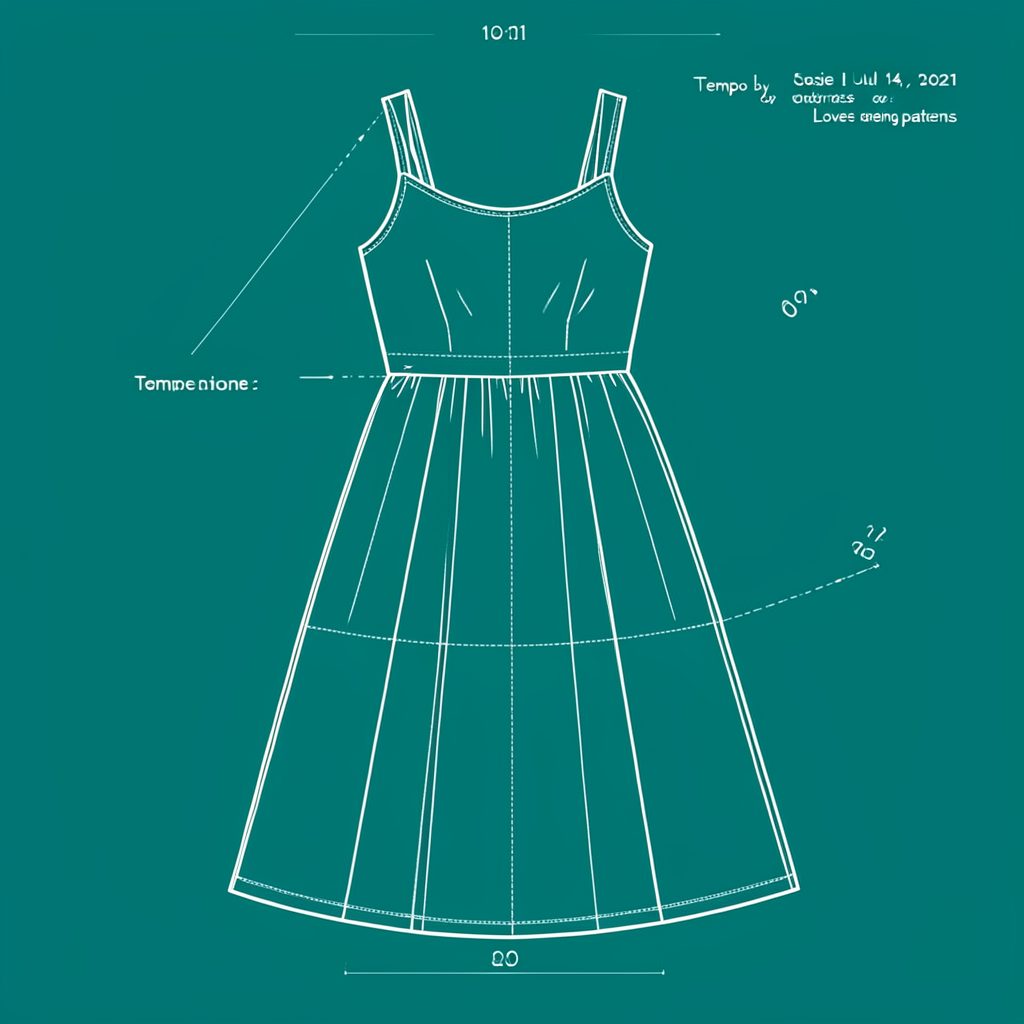
Pattern Review: The Cashmerette Appleton Dress
The Cashmerette Appleton Dress is one of those sewing patterns that earns its place in a wardrobe through sheer practicality. It is a classic knit wrap dress with a shaped bodice, a gently flared skirt, and enough style definition to feel polished without becoming difficult to wear. For anyone who likes handmade clothes that can move through workdays, lunches, and less predictable Yorkshire weather, it is an appealing proposition.
I made the Appleton because I wanted a comfortable dress with a proper waistline, useful bust shaping, and the ease of a stretch fabric. Wrap dresses can be wonderfully forgiving, but they can also gape, shift, or feel too exposed if the fit and construction are not carefully handled. Cashmerette’s approach addresses several of those concerns with thoughtful drafting and clear instructions.
This review focuses on the fit, sewing process, fabric choices, and everyday performance of the finished garment. It is a particularly interesting pattern for fuller-bust sewists, although the finished result still benefits from a few personal adjustments.
Why The Appleton Still Stands Out
The Appleton has a recognisable wrap silhouette, but it does not rely on a flimsy tie and hope for the best. The bodice includes a crossover front, a shaped waist, and waist ties that help hold the dress securely. The neckline is finished with a band, while the skirt falls from the waist in soft gathers or gentle fullness, depending on the version and size range used.
Its greatest strength is the combination of comfort and definition. Jersey makes the dress easy to wear, but the wrap construction gives it more shape than a simple T-shirt dress. The waist seam creates a clear proportion between bodice and skirt, and the V-neckline adds a little sophistication without requiring a complicated closure.
This is also a pattern with strong wardrobe potential. A solid colour can look smart enough for an office, while a small print makes a relaxed weekend dress. It is easy to imagine sewing the same design in several fabrics and getting genuinely different results.
Choosing A Size And Adjusting The Fit
Cashmerette patterns are drafted with cup sizes in mind, which is a major advantage for a wrap dress. Instead of choosing a size based only on full bust measurement and then making a large bust adjustment, you can begin with a cup option that is closer to your proportions. That usually means less alteration across the neckline and armhole.
I still recommend comparing the finished measurements with a garment you already wear. The waist tie gives some flexibility, but the shoulder, upper bust, and skirt length will affect how the dress feels. The crossover front should sit smoothly across the bust without pulling, and the waist seam should remain level rather than rising towards the front.
My narrower shoulders needed attention, particularly because the neckline and sleeves are connected to the overall balance of the bodice. If your measurements suggest a similar issue, this guide to narrow shoulder adjustments is useful before cutting into your favourite fabric. It is much easier to make that change on paper than to correct a shifting neckline afterwards.
| Feature | My Impression |
|---|---|
| Silhouette | Feminine, comfortable, and easy to style |
| Best fabric | Stable four-way stretch jersey |
| Main fitting benefit | Cup-sized bodice options |
| Construction level | Confident beginner to intermediate |
| Most important check | Bust coverage and shoulder fit |
| Everyday comfort | Very high when the fabric recovers well |
Fabric Choice Makes The Difference
The Appleton needs a knit with enough stretch for the crossover bodice and enough recovery to stop the neckline and waist from relaxing during wear. A medium-weight cotton jersey with elastane is a dependable option. Ponte can work for a more structured winter dress, although the finished wrap may feel bulkier and less fluid.
Very lightweight jersey is tempting, especially for a summer version, but it can make the front bodice feel less secure. It may also reveal every line of the undergarments and allow the skirt to cling. On the other hand, a very firm athletic knit can make the wrap less comfortable and create excess thickness at the waist ties.
The neckband deserves particular care. It needs to be measured against the garment rather than treated as a strip that can be stretched aggressively into place. These jersey neckband tips cover the small techniques that make a noticeable difference, including stabilising the seam and controlling the stretch while sewing.
Sewing The Bodice And Neckline
The instructions are approachable and well suited to someone who has sewn a few knit garments. The construction is not technically intimidating, but accuracy matters. Marking the wrap points, checking the direction of the ties, and keeping the seam allowances consistent will prevent confusion later.
A ballpoint or stretch needle, polyester thread, and a narrow zigzag or suitable stretch stitch are sensible choices on a standard machine. An overlocker makes the process quicker, but it is not essential. I like to use the regular machine for the most visible sections first, so I can check the fit before trimming or finishing the seams.
The neckline is the part that deserves the most patience. A smooth curve and evenly distributed tension make the front look professional, while a stretched band can cause rippling or unwanted gaping. Stay-stitching where appropriate, applying clear elastic if the fabric needs support, and trying on the dress before finalising the hem are all worthwhile steps.
The waist ties are straightforward, though it helps to sew them carefully because they receive regular pulling in use. Pressing as you go makes the crossover layers easier to handle, especially when working with a thicker knit.
Wearing And Styling The Finished Dress
The finished Appleton feels secure when the fabric has good recovery and the bodice has been fitted accurately. I appreciate that it does not require a zip or buttons, which makes it quick to put on and comfortable after a full day. The wrap can be adjusted slightly, but it is not a substitute for choosing the right bust and shoulder fit at the beginning.
The skirt has enough movement for walking and sitting without feeling oversized. A knee-length version works well with boots or flats, while a longer hem gives the dress a more dramatic shape. The sleeves also make it adaptable: short sleeves suit warmer weather, while longer sleeves create a useful transitional garment for spring and autumn.
For a Yorkshire wardrobe, layering is part of the appeal. I can wear it with a cardigan, a cropped jumper, or a fitted jacket without losing the waist definition. A slip or camisole is useful beneath the wrap if you prefer additional coverage, particularly when bending or moving around.
Who I Would Recommend It To
The Appleton is a strong choice for sewists who want a practical first wrap dress or a reliable pattern for using knit fabrics. It is especially valuable if standard patterns often require substantial bust alterations, although everyone should still make a toile or at least a careful tissue and measurement check.
I would recommend it to:
- Sewists looking for a comfortable alternative to woven dresses with fastenings.
- Fuller-bust makers who want cup-sized drafting and a shaped bodice.
- Confident beginners ready to work with jersey and stretch stitches.
- Experienced sewists wanting a dependable base for fabric and length variations.
It is less suitable if you dislike wrap styles, prefer very close-fitting garments, or want a dress with a completely fixed neckline. The ties and crossover front are central to the design, so the pattern works best when you embrace those features rather than trying to make it behave like a fitted sheath dress.
The Appleton also invites small personal changes. You could alter the skirt length, add extra bodice coverage, adjust the sleeve shape, or make a warmer version in a stable knit. Once the fit is established, it becomes a useful foundation rather than a one-off project.
If you have been considering a Cashmerette pattern, the Appleton Dress is a rewarding place to start. Choose a fabric with reliable stretch recovery, spend time on the shoulder and neckline fit, and test the wrap coverage before finishing. Then share your version with the sewing community and see how many different personalities this adaptable pattern can take on.
Popular Pattern Reviews
| Pattern | Designer | Type | Highlight |
|---|---|---|---|
| Compose Robe (Kids) | Love Notions | Robe / Loungewear | Sizes 2T–16, cosy & practical |
| Tempo Sundress | Love Notions | Sundress | No closures, shirred back panel |
| Arlington Sweater | Love Notions | Sweater | Cold-weather staple |
| Sybil Illusion Skirt | Love Notions | Skirt (knit) | 7 variations, optional pockets |
| Camden Pinafore | Nina Lee Patterns | Pinafore dress | Year-round layering piece |
| Ogden Cami (dress hack) | True Bias | Cami / Dress | Versatile wardrobe builder |
| Burda 6829 | Burda | Dress | Multi-sized, special-occasion |
Stay in Touch
Subscribe to the newsletter for sewing inspiration, pattern tips, and project ideas delivered straight to your inbox.