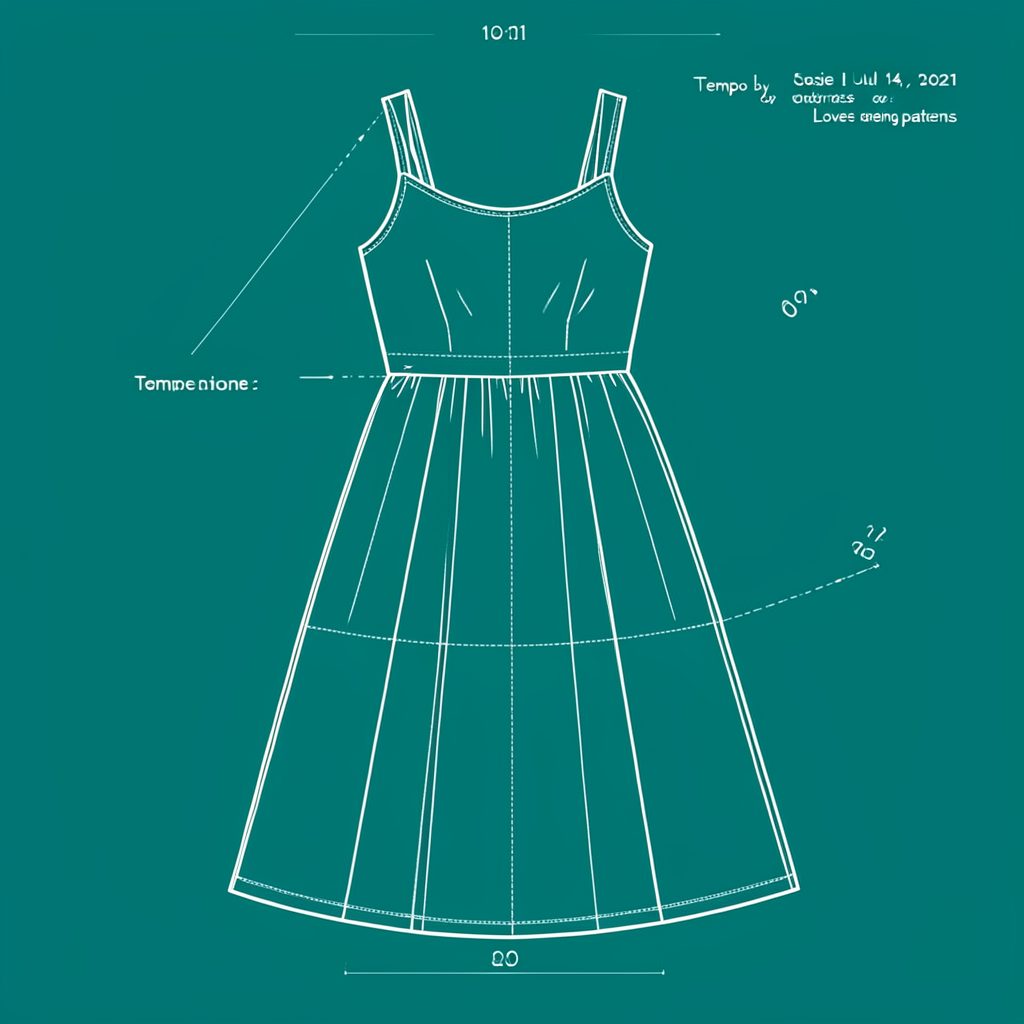
Named Clothing Inari Tee Dress Pattern Review
The Named Clothing Inari Tee Dress has the kind of clean, modern shape that makes a handmade wardrobe feel instantly considered. Its relaxed silhouette, simple neckline and distinctive hem create a garment that looks polished without demanding complicated construction. That balance is what first drew me to the pattern.
This review looks at the pattern from a practical sewing perspective: the fit, fabric choices, construction process and opportunities for customisation. The Inari is often described as a quick sew, but its pared-back design means that fabric, pressing and finishing choices have a significant effect on the final result.
The pattern includes a tee and a dress option, making it more versatile than the name might initially suggest. Both versions share the same contemporary feel, while offering different levels of everyday wearability.
The Shape And Style
The Inari Tee Dress has a boxy, slightly cocoon-shaped silhouette. The dress falls away from the body rather than following the waist, with short sleeves, a simple round neckline and side slits that add movement. The hem is curved, which gives the garment a little visual interest while keeping the overall style minimal.
The cropped tee has the same relaxed character in a shorter length. It works well with high-waisted trousers, jeans or skirts, whereas the dress can be worn loose as an easy summer layer. The design is deliberately unfussy, so it suits bold fabric as readily as a quiet solid colour.
There is no need for darts, waist shaping or complicated closures. That makes the pattern approachable for a confident beginner, although accuracy still matters. On such a clean garment, uneven hems or a stretched neckline are more visible than they would be on a heavily detailed project.
Fabric Choice And Preparation
For a fluid dress, lightweight linen, linen blends, cotton lawn and soft viscose can all create attractive results. Linen gives the Inari a more structured, architectural shape, while drapier cloth produces a gentler cocoon effect. A stable knit may also be suitable for some versions, but the exact fabric requirements and stretch recommendations should be checked against the edition of the pattern being used.
Fabric width and shrinkage are worth considering before cutting. The relaxed design needs enough room to fall properly, and a fabric that becomes significantly narrower after washing can affect both the proportions and the side-slit position. Prewashing in the same way as the finished garment is a small step that prevents a great deal of disappointment.
Print placement can also change the mood of this sewing pattern. Stripes emphasise the curved hem and side seams, while a large-scale print may need thoughtful matching across the front and back. For a first version, a woven with a little body and minimal directional fuss makes it easier to assess the fit.
Sizing And Fit Adjustments
The loose shape means the bust measurement is the main starting point, but it should not be the only measurement considered. Compare the finished garment measurements with a garment you already enjoy wearing. This is particularly useful for a boxy pattern, where choosing by body measurement alone may result in more ease than intended.
Length is one of the simplest adjustments. The dress can be shortened into a tunic or extended for greater coverage, while the tee can be altered to suit a preferred proportion. Remember to preserve the balance of the curved hem and side slits when changing the length.
If your measurements fall across more than one size, grading between sizes can help maintain a smoother fit through the body. A toile is not essential for every version, but it is valuable when using expensive fabric, changing the length substantially or working with a fabric that behaves differently from the pattern sample.
Construction Experience
The construction is fairly straightforward, with the neckline and hem providing the main opportunities for careful sewing. The neckline needs to sit flat without becoming stretched, so stay-stitching or handling the fabric gently can make a noticeable difference. Pressing at each stage helps the clean lines remain crisp.
The side slits are an attractive design feature, but they deserve attention during marking and hemming. Matching the two sides accurately will make the finished dress look far more professional. If your fabric frays, finish the raw edges before assembling the side seams or use a seam finish that remains neat when the slits are opened.
The pattern’s simplicity makes it a good project for practising techniques such as narrow hems, mitred corners and neat topstitching. These details are optional, but they elevate the garment. I would also recommend making a quick test neckline section if you are uncertain about your chosen knit or a particularly slippery woven.
Comparing The Two Versions
The tee and dress share a pattern vocabulary, but they serve different roles in a handmade wardrobe. The tee is easier to style as a separate and generally uses less fabric, while the dress offers the full impact of the cocoon silhouette. Both can be adapted, but the dress gives more room for fabric choice and hem experimentation.
| Feature | Tee Version | Dress Version |
|---|---|---|
| Overall feel | Relaxed cropped top | Easy cocoon-shaped dress |
| Styling | Works with trousers, jeans and skirts | Worn alone, over leggings or as a layer |
| Fabric use | Lower fabric requirement | Requires more length and width planning |
| Best feature | Modern proportion | Curved hem and side slits |
| Useful adjustment | Cropped length or sleeve changes | Dress length, hem depth and slit position |
The tee is an excellent introduction to the pattern if you are unsure about the silhouette. It lets you test the neckline, shoulder fit and fabric behaviour without committing to a full dress. Once those details are working, the dress version becomes a more confident second project.
The dress is especially appealing in linen or a linen-viscose blend. It can look structured with sandals and jewellery, or relaxed with trainers and a cardigan. Because the shape is loose, it is also comfortable for warm weather and useful during transitional seasons.
What I Would Change
The design is intentionally minimal, so practical additions can make it more useful for everyday wear. In-seam pockets could be added to the dress if they do not interfere with the side slits. A patch pocket would be easier to insert and could introduce a contrasting fabric or a small handmade detail.
Sleeve length is another worthwhile modification. Extending the short sleeve slightly can provide more coverage, while a narrow cuff can create a sharper finish. Before making changes, trace the original sleeve and compare it with a favourite garment so that the proportions remain consistent with the relaxed body.
I would also consider finishing the neckline with a narrow binding rather than relying solely on a basic turned finish, depending on the fabric. This can produce a durable, professional edge, especially in a lightweight woven. Keep the finish compatible with the fabric’s thickness so the neckline does not become bulky.
Practical Tips For A Better Finish
The Inari rewards patience more than speed. Mark the side slits carefully, use a pressing cloth when needed and test your hem finish on a fabric scrap. A few minutes spent checking the curve before stitching can prevent rippling later.
These are the adjustments and habits I would prioritise:
- Compare finished measurements with a similar garment before selecting a size.
- Prewash and press the fabric before laying out the pattern pieces.
- Make a toile or test section when changing fabric type or neckline finish.
- Stabilise the neckline if the fabric is prone to stretching.
- Check the side-slit alignment before completing the hems.
The pattern is also a good candidate for a wearable toile because its construction is manageable and the finished garment can be useful even when the fit is still being refined. Choose an inexpensive fabric with a similar weight and drape rather than making a test version in a completely different material.
Final Thoughts On The Inari
The Named Clothing Inari Tee Dress is a strong choice for sewists who enjoy contemporary, unfussy garments. It offers a distinctive shape without complicated pattern pieces, and its two views make it easy to build a small collection around the same design. The result depends heavily on fabric selection and finishing, but that also creates plenty of room for personal style.
It is less suited to anyone looking for close shaping or lots of construction detail. For those who prefer relaxed layers, architectural lines and practical wardrobe staples, however, the pattern has lasting appeal. The dress feels current without being tied to a single trend, and the tee provides a lower-commitment way to try the look.
For pattern questions, project feedback or sewing-related correspondence, you can use the contact page. You can also find the site’s information about data handling in the privacy policy.
Choose a fabric that makes you want to wear the finished garment, trace the size carefully and let the clean design do the work. Then share your Inari version with the sewing community and enjoy seeing how different fabrics and thoughtful adjustments transform the same pattern.
Popular Pattern Reviews
| Pattern | Designer | Type | Highlight |
|---|---|---|---|
| Compose Robe (Kids) | Love Notions | Robe / Loungewear | Sizes 2T–16, cosy & practical |
| Tempo Sundress | Love Notions | Sundress | No closures, shirred back panel |
| Arlington Sweater | Love Notions | Sweater | Cold-weather staple |
| Sybil Illusion Skirt | Love Notions | Skirt (knit) | 7 variations, optional pockets |
| Camden Pinafore | Nina Lee Patterns | Pinafore dress | Year-round layering piece |
| Ogden Cami (dress hack) | True Bias | Cami / Dress | Versatile wardrobe builder |
| Burda 6829 | Burda | Dress | Multi-sized, special-occasion |
Stay in Touch
Subscribe to the newsletter for sewing inspiration, pattern tips, and project ideas delivered straight to your inbox.