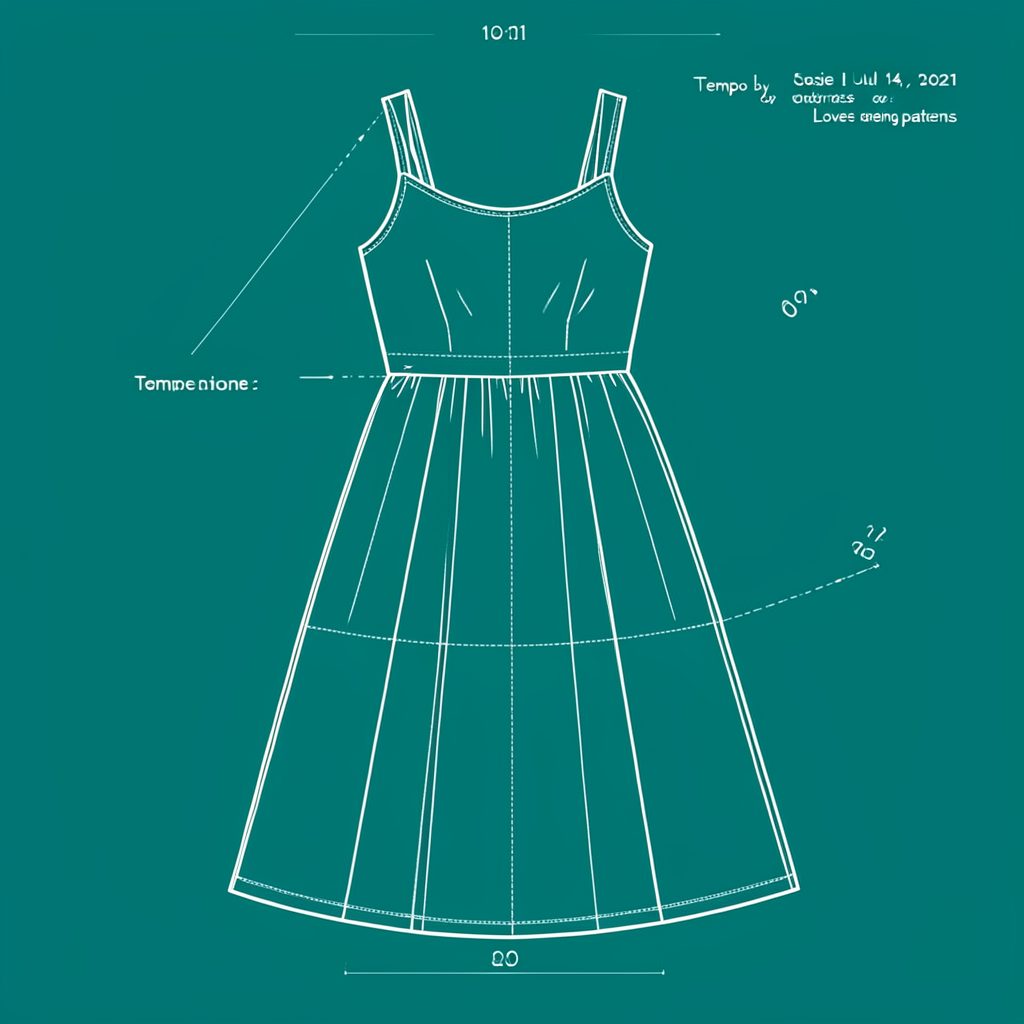
Pattern Review: The Style Arc Elle Bodysuit
A well-fitting bodysuit can transform the way an outfit sits. It keeps a tucked-in top neatly in place, creates a smooth foundation beneath trousers and skirts, and adds a polished finish without requiring much styling. The Style Arc Elle Bodysuit caught my attention because it offers that useful wardrobe role in a relatively simple sewing project.
This is a close-fitting pattern, so fabric choice, accurate measuring, and sensible fitting adjustments matter more than they would in a loose blouse. It is the sort of make that rewards a little preparation before cutting, although the construction itself is manageable for a confident beginner who is comfortable sewing stretch fabric.
I approached the Elle as a practical wardrobe piece rather than a dramatic statement garment. My aim was to make something comfortable enough for everyday wear, tidy enough for layering, and straightforward enough to sew again in another fabric.
The Design And First Impressions
The Elle Bodysuit has a clean, streamlined shape designed to sit close to the body. Its simple lines make it versatile: it can disappear beneath high-waisted jeans or become the foundation of a more considered outfit with a jacket, cardigan, or wide-leg trousers.
The appeal is in its restraint. There are no unnecessary style lines competing with the fabric, which makes the pattern suitable for a solid colour, a subtle rib knit, or a carefully chosen print. A plain version can act as a wardrobe basic, while a distinctive fabric gives the same silhouette considerably more personality.
I particularly like patterns that have a clear purpose in a handmade wardrobe. This one fills a gap between a fitted top and a base layer, and it can solve the common problem of fabric shifting or bunching at the waist throughout the day.
Choosing A Size And Fabric
The Elle needs to be selected using the Style Arc size chart rather than relying on a familiar ready-to-wear size. A bodysuit has little room for guesswork because the finished garment needs to stretch comfortably over the bust, waist, and hips while still recovering into shape.
A stable knit with good four-way stretch is the safest starting point. It should have enough recovery to prevent the bodysuit from becoming baggy after wearing, but it must also provide comfortable movement. A medium-weight jersey, cotton elastane, bamboo jersey, or a suitable rib knit could all work, provided the stretch percentage matches the pattern requirements.
Very lightweight fabric may show every construction detail and can be more difficult to control around the neckline and leg openings. Conversely, a thick ponte or firm double knit may create too much bulk. I would test a fabric swatch first, stretching it both across and along the grain before committing to the full garment.
Construction Details That Matter
The sewing is fairly familiar if you have made stretch tops before. The most important details are accurate cutting, a consistent seam allowance, and the correct needle and stitch settings. A ballpoint or stretch needle, polyester thread, and a narrow zigzag or stretch stitch will help the seams retain their flexibility.
The neckline deserves particular care. Neckband or binding pieces can easily become too long, which leads to gaping, or too short, which creates unwanted pulling. Applying the band in quarters, matching the main reference points, and gently stretching only the band makes the process much more controlled.
The lower fastening area also benefits from patience. Press studs need to be positioned accurately so the garment closes comfortably without distorting the fabric. Reinforcing the area with a suitable knit interfacing or additional fabric support can make the fastening feel more secure, especially if the bodysuit will be worn frequently.
For anyone building confidence with stretch sewing, these essential sewing tools are useful for achieving cleaner results. A sharp rotary blade, reliable fabric scissors, and a seam ripper that actually works can make a noticeable difference.
How The Elle Sewed Up
The pattern pieces are uncomplicated, and the project feels less intimidating once the fabric has been cut. I recommend transferring all notches and marking the centre points before going near the sewing machine. These small preparations make it easier to distribute stretch evenly and prevent one side from becoming longer than the other.
The order of construction is logical, though the close-fitting nature of the garment means that handling can feel slightly fiddly. It helps to avoid stretching the main fabric while feeding it through the machine. Let the machine move the fabric under the presser foot, using only light guidance.
The finish depends heavily on the equipment available. An overlocker creates neat, flexible seams quickly, but it is not essential. A regular sewing machine with a stretch stitch can produce a perfectly wearable result. I would test on scraps first, particularly if the machine tends to form wavy seams or skip stitches.
Fit, Comfort And Wearability
The biggest fitting consideration is length. A bodysuit that is too short will pull at the shoulders, neckline, and fastening, while one that is too long may create excess fabric through the torso. If your measurements fall across different sizes, it is worth comparing the pattern pieces and considering a length adjustment before cutting.
The finished fit should feel close without restricting breathing, sitting, or reaching. Try the garment on with the underwear and trousers you expect to wear beneath it, because these layers can affect how the fabric sits. Checking the bodice while moving around is more informative than judging it while standing still.
In wear, the Elle has the potential to become a very useful layering piece. It works beneath a high-waisted skirt without a bulky tuck and can bring a smoother line to trousers. The simplicity also means that small fit changes can make it feel much more personal, such as adjusting the torso length or refining the neckline.
Comparing The Elle With Similar Makes
The Elle occupies a useful space among close-fitting stretch garments. It is more structured and secure than a simple camisole, but less involved than a fully shaped dancewear-style leotard. The best alternative depends on whether your priority is speed, coverage, or a particular neckline.
| Garment option | Main strength | Best fabric choice | Sewing consideration |
|---|---|---|---|
| Style Arc Elle Bodysuit | Streamlined everyday base layer | Jersey with good recovery | Accurate stretch and length are important |
| Fitted stretch camisole | Quick layering piece | Lightweight jersey | No lower fastening or torso fitting |
| T-shirt bodysuit | More casual coverage | Cotton elastane jersey | More seams and neckline options |
| Leotard-style pattern | Secure, close fit | Supplex, athletic knit, or jersey | Often requires more precise fitting |
| Stretch slip dress | Full outfit in one garment | Fluid knit or rib | Less versatile beneath separate garments |
This comparison highlights why the Elle appealed to me. It is focused enough to be approachable, yet useful enough to justify making. It also provides a good opportunity to use a special knit that might feel too precious for a larger garment.
Small Changes Worth Considering
Even when the pattern is sewn as drafted, a few practical choices can improve the result:
- Make a quick toile from inexpensive stretch fabric to check torso length and overall comfort.
- Use fabric with strong recovery, especially if you prefer a close fit or plan to wear the bodysuit often.
- Stabilise the fastening area so the press studs do not pull on the knit.
- Test the neckline finish on scraps before assembling the main garment.
- Consider a slightly longer sleeve, deeper colour, or textured fabric to create a more distinctive wardrobe version.
These adjustments are not about changing the character of the Elle. They simply help tailor a straightforward design to your body, fabric, and preferred method of sewing. That flexibility is one of the reasons independent patterns can be so satisfying: a reliable base can become several different garments.
Final Thoughts On The Pattern
The Style Arc Elle Bodysuit is a practical pattern with a clear purpose. Its close fit means that it is not the project I would choose for completely untested stretch fabric or a first-ever sewing experience, but it is accessible once the basics of knit construction are understood.
The pattern is especially appealing for sewists who want a polished wardrobe staple rather than a complicated occasion garment. With careful fabric selection and attention to length, it can offer the smooth fit and dependable comfort that make a bodysuit worth wearing.
For more sewing projects, fabric ideas, and independent pattern reviews, browse the wider sewing archive. You can also find out more about Josephine and the Yorkshire-based maker behind the projects. Choose a well-recovering knit, take your measurements carefully, and give the Elle Bodysuit a place in your next handmade wardrobe rotation.
Popular Pattern Reviews
| Pattern | Designer | Type | Highlight |
|---|---|---|---|
| Compose Robe (Kids) | Love Notions | Robe / Loungewear | Sizes 2T–16, cosy & practical |
| Tempo Sundress | Love Notions | Sundress | No closures, shirred back panel |
| Arlington Sweater | Love Notions | Sweater | Cold-weather staple |
| Sybil Illusion Skirt | Love Notions | Skirt (knit) | 7 variations, optional pockets |
| Camden Pinafore | Nina Lee Patterns | Pinafore dress | Year-round layering piece |
| Ogden Cami (dress hack) | True Bias | Cami / Dress | Versatile wardrobe builder |
| Burda 6829 | Burda | Dress | Multi-sized, special-occasion |
Stay in Touch
Subscribe to the newsletter for sewing inspiration, pattern tips, and project ideas delivered straight to your inbox.