Sewing with Corduroy: Cutting and Sewing Tips
Corduroy is a wonderfully tactile fabric with plenty of personality. Its raised wales add warmth, texture and a soft vintage feel to trousers, skirts, pinafores, jackets and bags. It is also available in everything from fine needlecord to wide-wale cotton, so the same fabric family can create very different results.
The texture does require a little extra thought during fabric preparation and construction. The direction of the pile affects how the finished garment looks, while thick seams and bulky layers can challenge both your machine and your pressing tools. A careful approach will make the process much more enjoyable.
Whether you are making a tried-and-tested favourite or exploring one of the indie pattern designers, these practical methods will help you cut accurately, sew smoothly and achieve a polished finish.
Choose the right corduroy for your project
Start by examining the wale width, fabric weight and drape. Fine needlecord is relatively lightweight and works well for shirts, dresses, blouses and children’s clothing. Medium-wale corduroy is a good choice for skirts, dungarees and relaxed trousers. Wide-wale versions are heavier and more structured, making them suitable for jackets, coats, bags and statement accessories.
Check the reverse side as well as the face. Some corduroys have a firm, stable backing, while others are softer and more fluid. Rub the fabric gently in both directions to identify the pile. One direction will usually feel smoother, while the other feels slightly rough as your hand moves against the nap.
Prewash corduroy before cutting, using the method you expect to use for the finished garment. Cotton corduroy can shrink, and the pile may change subtly after washing. Avoid leaving it scrunched in the machine, as deep creases can be difficult to remove without flattening the ridges.
Respect the nap when cutting
Corduroy is a napped fabric, which means the pattern pieces should generally be placed with the pile running in one consistent direction. Many sewists prefer the pile to run downwards, from the waist or shoulder towards the hem, because this often gives the richest colour and a smooth hand feel. The opposite direction may look lighter or more reflective.
Use the “with nap” layout in your pattern instructions, even if it requires extra fabric. Never turn a piece upside down simply to save a small amount of material. An upside-down trouser leg, sleeve or pocket can be surprisingly obvious once the light catches the wales differently.
Cut on a single layer where possible, especially with wide-wale corduroy or a fabric that shifts easily. Trace around the pattern rather than relying only on pins, and mark notches on the wrong side with chalk or a removable pen. Pattern weights are useful because they avoid lifting and disturbing the pile.
Before cutting every piece, check the wale alignment against the grainline. The raised ribs should run parallel to the selvedge. Take extra care with symmetrical garments, as even a slight change in direction between the left and right sides can make the colour appear mismatched.
Prepare your machine and seams
A universal 80/12 needle is a sensible starting point for lightweight and medium corduroy. Move to a 90/14 needle for heavier cloth or several thick layers, replacing it if you notice skipped stitches or uneven penetration. Strong all-purpose polyester thread is usually appropriate, although a slightly longer stitch length can help the fabric feed cleanly.
Test on scraps that include the same number of layers as the garment. Corduroy can drag under the presser foot, particularly when sewing across the wales. A walking foot may improve feeding, while a hump jumper or folded scrap behind the presser foot can help it climb over bulky cross seams.
Pressing needs restraint. Steam and heat can crush the pile, leaving shiny patches or flattened stripes. Press from the wrong side over a thick towel, needle board or spare piece of corduroy, allowing the ridges to rest into the soft surface rather than being compressed against a hard ironing board.
Keep seam allowances tidy without creating unnecessary bulk. Trim enclosed seams where suitable, grade layered allowances and clip curves carefully. For collars, cuffs and waistbands, consider reducing the seam allowance slightly at bulky intersections so the finished edge turns more easily.
Match construction methods to the fabric
Corduroy responds well to straightforward construction, but thick seam junctions deserve planning. Stagger seam allowances where several pieces meet, and avoid placing darts, pocket corners and belt loops directly on top of one another if you can adjust the pattern or construction order.
Topstitching is especially effective on corduroy because it emphasises the garment’s texture. Use a longer stitch, often around 3 mm, and practise on scraps before committing to the visible side. A matching thread gives a subtle finish, while contrast thread can highlight pockets, yokes and hems.
For buttonholes, stabilise the area with lightweight interfacing if the fabric is soft. Test the buttonhole size and density on a layered sample. Thick corduroy may need a slightly larger opening than expected, and trimming the fibres carefully inside the buttonhole can make the finished fastening neater.
The fabric’s texture can hide small inconsistencies, but it can also catch lint and loose threads. Finish raw edges with an overlocker, zigzag stitch or Hong Kong binding according to the garment’s weight and intended use. Keep the inside as comfortable as the outside, especially on trousers and children’s clothing.
| Corduroy type | Useful garments | Main cutting concern | Helpful sewing approach |
|---|---|---|---|
| Fine needlecord | Blouses, dresses, shirts | Pile direction can be subtle | Lightweight needle and regular seams |
| Medium wale | Skirts, trousers, dungarees | Extra fabric for nap layout | Longer stitch and careful pressing |
| Wide wale | Jackets, coats, bags | Matching prominent ribs | Grade seams and reduce bulk |
| Stretch corduroy | Close-fitting trousers, skirts | Stretch direction and recovery | Ballpoint or stretch needle, stabilised waistbands |
Handle pockets, hems and closures carefully
Patch pockets show off corduroy beautifully, but they need accurate placement and attention to the wale direction. Cut the pocket from the same nap direction as the main garment unless you deliberately want a contrast. For an almost invisible finish, align the ribs across the pocket and garment before stitching.
When sewing welt pockets or fly fronts, reduce bulk wherever the pattern allows. A thinner pocketing fabric can be useful for pocket bags, although the visible portion should still coordinate with the garment. Grade the layers around the opening and use a clapper or firm hand pressure after steaming rather than repeatedly pressing the pile.
Hems can become thick, particularly on trousers and jackets. A narrow turned hem, bias-bound edge or facing may sit more smoothly than a deep double fold. For a soft skirt or dress, test the hem treatment on a sample because the best finish depends on the weight and drape of the fabric.
Zips and buttons should be installed with the pile protected. A strip of tissue paper under the presser foot can help with feeding and can be torn away afterwards. Remove stray fibres from the zip teeth and buttonhole area before final pressing.
Build confidence with a careful sample
A small test piece is worthwhile before starting the main garment. Sew a seam, press it from the wrong side and inspect the pile from different angles. This reveals whether the stitch length, needle, thread tension and pressing method are working together.
If you are making a fitted pattern, create a toile in a similar-weight fabric first. Corduroy has more body than many woven cottons, and thick seams can affect ease around the waist, hips and armscye. A toile also gives you a chance to identify areas where pockets, darts or closures may create uncomfortable bulk.
Keep the finished garment looking fresh with gentle laundering and a soft clothes brush. Store corduroy loosely rather than crushing it under heavy garments. If creases develop, hang the item in a steamy room and brush the pile lightly once dry.
For further project inspiration, the Josie sewing blog shares approachable garment-making ideas, fabric notes and pattern experiences from a Yorkshire sewing room. Corduroy is particularly rewarding when its practical qualities are balanced with a design that lets the texture take centre stage.
A practical checklist before you cut
A few minutes of preparation can prevent the most frustrating mistakes. Use this checklist before laying out your pattern:
- Wash and dry the fabric using the garment’s intended care method.
- Identify the nap, wale direction and stretch direction, if present.
- Plan a with-nap layout and buy extra fabric when necessary.
- Test your needle, stitch length, thread tension and pressing method on scraps.
- Mark the wrong side, notches and matching points clearly before moving pieces.
- Keep a pressing cloth, soft towel and seam-ripping tool close by.
Corduroy rewards patience more than speed. Accurate cutting matters, but so does stopping to check the pile before each major step. If a seam feels unusually thick or a piece seems to reflect the light differently, investigate it before continuing.
The fabric is forgiving in everyday wear, yet the finished result can look highly considered when the ribs line up, the seams lie flat and the pile remains soft. Browse more garment-making resources in the sewing projects section, then choose a manageable corduroy project and put these techniques into practice on your next handmade wardrobe piece.
Popular Pattern Reviews
| Pattern | Designer | Type | Highlight |
|---|---|---|---|
| Compose Robe (Kids) | Love Notions | Robe / Loungewear | Sizes 2T–16, cosy & practical |
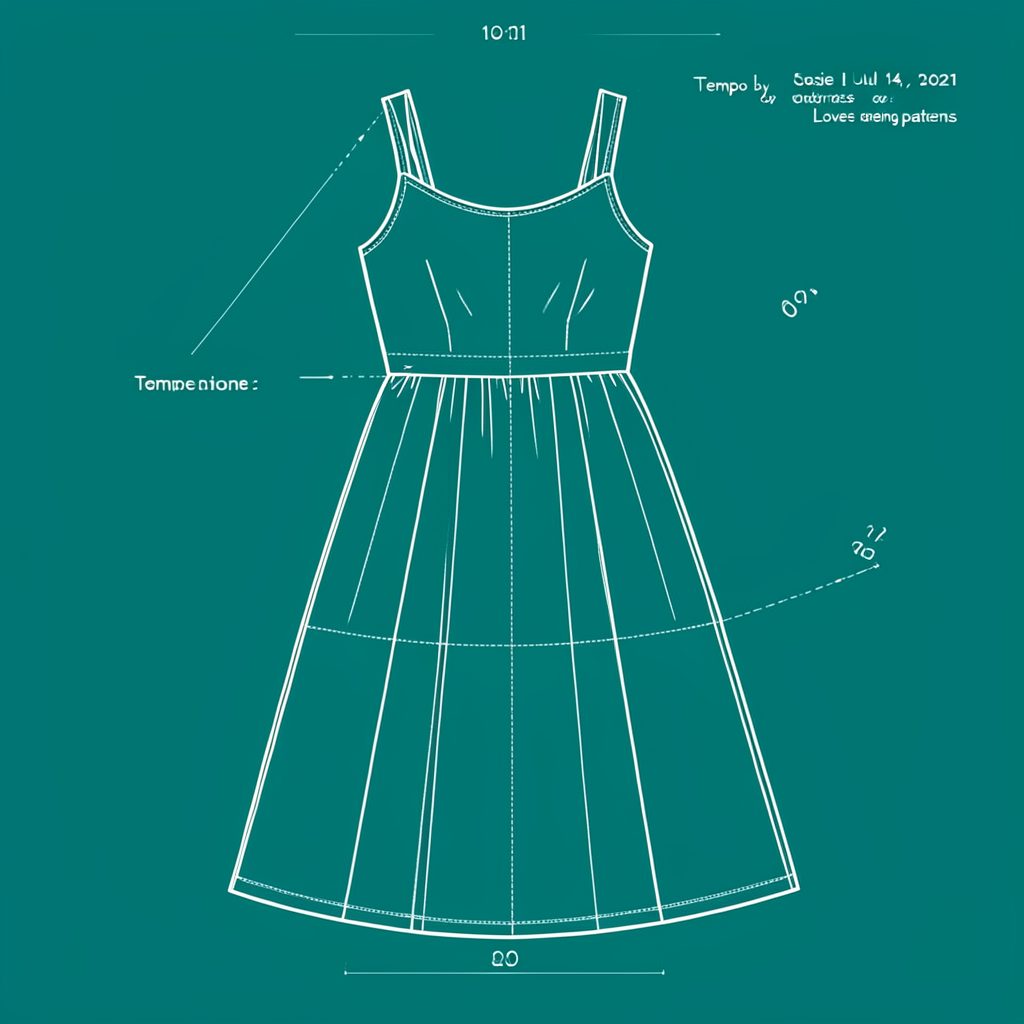
| Tempo Sundress | Love Notions | Sundress | No closures, shirred back panel |
| Arlington Sweater | Love Notions | Sweater | Cold-weather staple |
| Sybil Illusion Skirt | Love Notions | Skirt (knit) | 7 variations, optional pockets |
| Camden Pinafore | Nina Lee Patterns | Pinafore dress | Year-round layering piece |
| Ogden Cami (dress hack) | True Bias | Cami / Dress | Versatile wardrobe builder |
| Burda 6829 | Burda | Dress | Multi-sized, special-occasion |
Stay in Touch
Subscribe to the newsletter for sewing inspiration, pattern tips, and project ideas delivered straight to your inbox.