A Practical Guide To Sewing With Linen
Linen is one of those fabrics that rewards a thoughtful approach. It feels cool and breathable in warm weather, softens beautifully with washing, and brings an easy, slightly relaxed character to handmade clothing. It can also shift, fray and crease while you work, so a little preparation makes a significant difference.
Whether you are making a Love Notions pattern, trying an indie designer for the first time, or sewing a simple pair of elastic-waisted trousers, linen benefits from careful handling. The right pre-wash, pressing routine and cutting method will help your finished garment fit as expected and look polished after it has been worn.
These tips are especially useful for medium-weight linen, linen blends and lightweight linen fabrics. Each behaves slightly differently, so use the advice as a starting point and let the fabric itself guide your decisions.
Understand Your Linen Before Cutting
Linen comes in a wide range of weights and weaves. Fine handkerchief linen is delicate and semi-sheer, while midweight linen works well for dresses, tops, skirts and shirts. Heavy linen can be lovely for jackets, structured trousers and bags, although it may need a pattern designed for fabrics with more body.
The fibre content matters too. A linen-cotton blend may crease less and feel smoother, while linen-viscose tends to drape more fluidly. Linen-rayon blends can be more slippery during cutting and sewing, but they are often beautifully soft. Check the fabric description, then make a small sample before committing to a garment.
Look closely at the grain, too. Some linen has a noticeably loose weave or visible slubs. Slubs are a natural feature rather than a flaw, but severe distortion across the width can make matching seams and hems difficult. Hold the fabric up to the light and inspect it before washing.
Pre-Wash For A Reliable Fit
Pre-washing is essential because linen can shrink, sometimes substantially. Treat the fabric in the same way you expect to launder the finished garment. If you plan to machine wash it at 40°C, use that setting for the fabric. If the finished item will be washed gently and air-dried, follow that routine instead.
A warm wash and tumble drying usually produce more shrinkage than a cool wash and line drying. That may be useful if you want to encourage the linen to soften and settle before cutting, but avoid a harsh process that could damage a delicate weave. When in doubt, wash a generous sample first and measure it before and after laundering.
Give the fabric enough room to move in the washing machine. Overcrowding can create unnecessary creases and prevent thorough rinsing. Once washed, shake it out promptly and dry it according to the care instructions. Pressing while slightly damp can help remove stubborn folds without scorching the fibres.
For expensive linen, pre-wash a swatch as well as the full piece. Compare its colour, texture, weight and dimensions afterwards. This simple test can reveal unexpected dye bleeding, excessive fraying or a change in drape before those issues affect your project.
Prepare The Grain And Cutting Area
Linen often becomes a little skewed during weaving, washing or rolling. Before cutting, square the fabric as carefully as possible. You can pull a crosswise thread and cut along the resulting line, or use the weave as a visual guide if the thread method is impractical.
A large, flat cutting surface is helpful because linen can shift when it hangs over the edge. Smooth the fabric rather than dragging it into position. Pattern weights are often kinder than pins for delicate linen, especially when the fabric has an open weave or a soft finish.
Use a sharp rotary cutter or fabric shears. A blunt blade can push the fabric out of alignment and leave ragged edges. Keep pattern pieces anchored securely, and mark the grainline clearly. If the fabric has a directional slub, stripe or subtle nap, place all pieces in the same direction.
| Linen characteristic | Useful approach | Common issue to watch |
|---|---|---|
| Lightweight, loosely woven linen | Fine needle, short stay-stitching and careful pressing | Stretching at necklines and armholes |
| Medium-weight linen | Universal needle and regular machine settings | Fraying along cut edges |
| Heavy linen | Jeans or sharp universal needle, longer stitch length | Bulky seams and difficult hems |
| Linen-cotton blend | Standard garment techniques with a test sample | Shrinkage may differ from pure linen |
| Linen-viscose blend | Extra pattern weights and stabilising tape | Slipping, shifting and fluid edges |
Keep Edges From Fraying
Linen frays readily, and the amount of fraying depends on the weave and weight. Finish exposed seam allowances soon after cutting if you can. A three-thread or four-thread overlocker is quick and neat, but a zigzag stitch, mock-overlock stitch or pinked edge can also work.
For lightweight fabrics, bulky seam finishes may show through to the right side. A narrow zigzag or a clean French seam can be a better choice, provided the pattern and fabric are suitable. This guide to lightweight seam finishes includes methods that can be adapted for fine linen.
Stay-stitch curved edges such as necklines, armholes and waistlines soon after cutting. Use the seam allowance as your guide and stitch just inside the final seam line. This prevents bias and cross-grain edges from stretching while you handle the pieces, fit the garment or attach facings.
Interfacing can also help stabilise linen. Choose a lightweight woven interfacing for most garments and test it on a scrap first. Some linen responds well to fusible interfacing, while loosely woven or textured linen may need a sew-in alternative to preserve its natural surface.
Sew With A Light Touch
Use a fresh needle suited to the fabric. A universal needle is a useful starting point for medium-weight linen, while a fine sharp needle works better for lightweight cloth. For heavier linen, try a stronger needle, but check that it does not leave visible holes.
A regular polyester sewing thread is suitable for most linen garments. Cotton thread can be appropriate for a more traditional finish, although it may be less resilient through repeated washing. Test the stitch length on scraps; around 2.5 to 3 mm often works well, with a slightly longer stitch for heavier fabric.
Avoid stretching the fabric as it passes beneath the presser foot. Let the feed dogs move it naturally, and support large sections of the garment so its weight does not pull on the needle area. If the machine struggles with a bulky seam crossing, use a hump jumper or a folded scrap behind the presser foot.
Press as you sew, but do not iron linen aggressively. Lift and lower the iron rather than sliding it across the garment, which can distort the grain. Use steam if the fabric tolerates it, and place a pressing cloth over dark, textured or easily marked linen.
Choose Construction Details Carefully
Linen suits simple, well-defined construction. Pressed seams, shaped darts, patch pockets and topstitching can all look beautiful, but the fabric’s tendency to crease means that small inaccuracies may be visible. Transfer markings clearly with a removable pen, chalk or thread tracing.
A narrow hem is ideal for many lightweight linen garments, while a wider double-fold hem gives structure to skirts, trousers and dresses. Test the hem on a curved scrap before sewing the actual garment. If the edge ripples, reduce the stitch tension slightly, ease the fullness carefully or use a strip of lightweight interfacing.
Buttonholes deserve a test run because loosely woven linen can pull apart under stress. Stabilise the area with interfacing, and consider adding a small piece of lightweight fabric behind the buttonhole. Reinforce pocket openings, belt loops and areas where ties are attached.
Linen tends to soften with wear, so a garment that feels slightly crisp during construction may become wonderfully comfortable after a few washes. Keep this in mind when choosing ease and finishing details. A relaxed fit often complements the fabric’s natural drape and developing softness.
Make Your Linen Routine More Reliable
A few consistent habits will make linen projects calmer and more predictable:
- Wash and dry fabric before you measure, cut or make fitting decisions.
- Keep a pre-washed sample for testing needles, stitches, interfacing and seam finishes.
- Square the grain carefully and support the fabric fully on the cutting surface.
- Stay-stitch vulnerable curves and finish fraying edges as early as practical.
- Press with control, using a pressing cloth when the fabric is dark, textured or delicate.
Linen is forgiving in spirit, even when it is slightly demanding during construction. Small wrinkles, slubs and gentle variations are part of its character, so the aim is accuracy without trying to remove every natural feature. A thoughtfully sewn linen garment should look neat while still feeling relaxed.
When you plan your next project, match the fabric weight to the pattern and consider how the finished garment will be washed, pressed and worn. Pre-washing and careful handling take a little extra time, but they protect your fabric investment and help your handmade clothes last.
Choose a piece of linen from your stash, wash a sample and begin with a straightforward project that lets you learn how the cloth behaves. Share your finished make with the sewing community, and enjoy watching the fabric become softer, more comfortable and more personal with every wear.
Popular Pattern Reviews
| Pattern | Designer | Type | Highlight |
|---|---|---|---|
| Compose Robe (Kids) | Love Notions | Robe / Loungewear | Sizes 2T–16, cosy & practical |
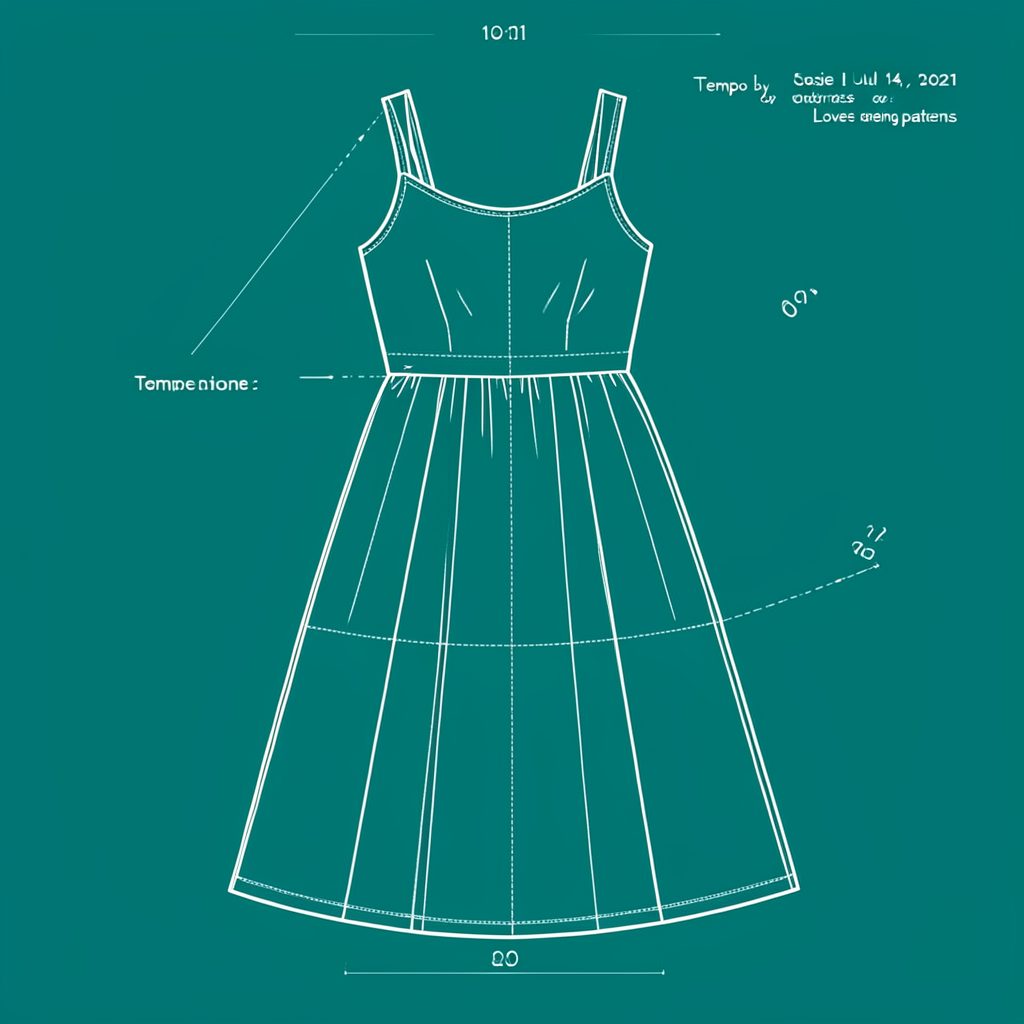
| Tempo Sundress | Love Notions | Sundress | No closures, shirred back panel |
| Arlington Sweater | Love Notions | Sweater | Cold-weather staple |
| Sybil Illusion Skirt | Love Notions | Skirt (knit) | 7 variations, optional pockets |
| Camden Pinafore | Nina Lee Patterns | Pinafore dress | Year-round layering piece |
| Ogden Cami (dress hack) | True Bias | Cami / Dress | Versatile wardrobe builder |
| Burda 6829 | Burda | Dress | Multi-sized, special-occasion |
Stay in Touch
Subscribe to the newsletter for sewing inspiration, pattern tips, and project ideas delivered straight to your inbox.