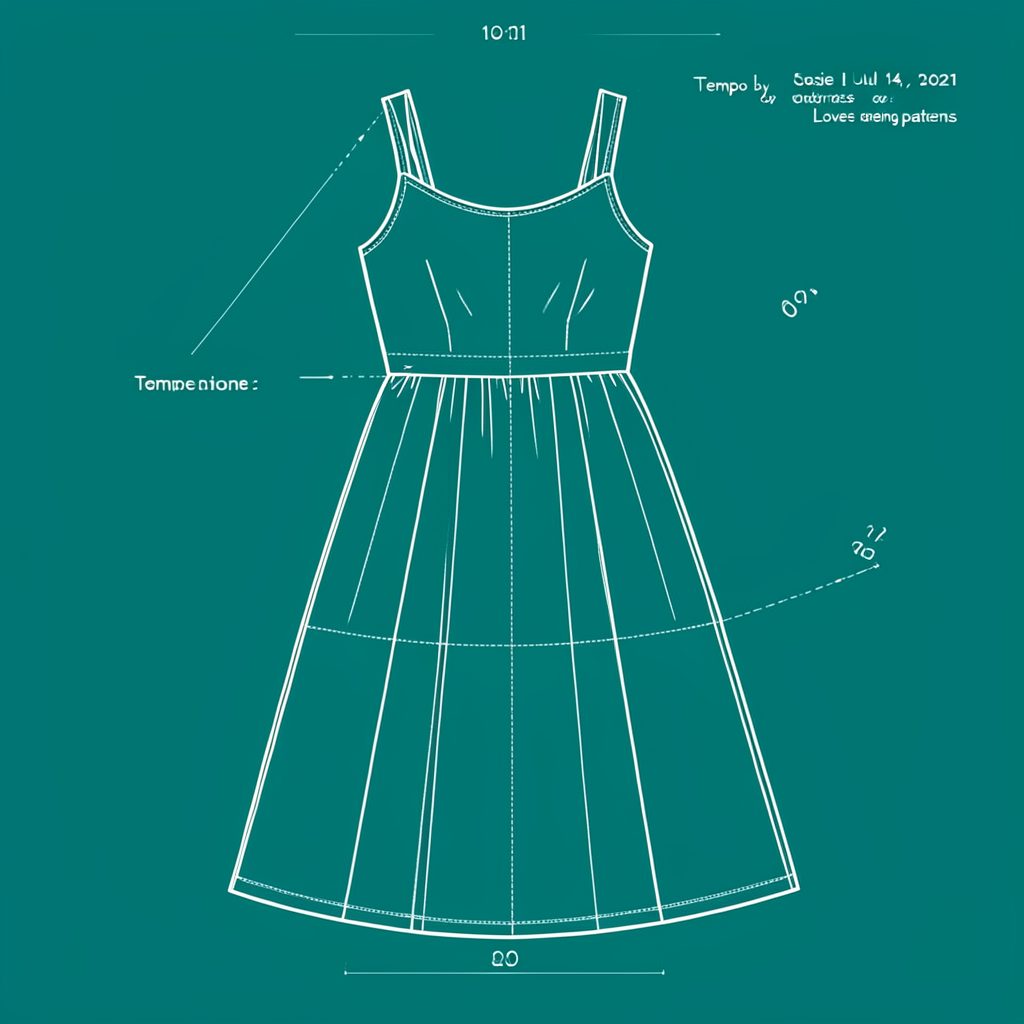
Exploring The Brooks Bomber From Love Notions
A well-chosen jacket pattern can transform a handmade wardrobe, especially when the project is practical enough for everyday wear. The Brooks Bomber by Love Notions is designed around that useful balance: a recognisable bomber silhouette, manageable construction, and plenty of scope for personal fabric choices.
For sewists making menswear, a bomber jacket offers an appealing starting point. Its shape is casual without looking untidy, it can be adapted for different seasons, and the finished garment works with jeans, chinos, workwear, or sportswear. It is also a rewarding way to practise techniques that appear in many other jacket patterns.
At It Is Josie, the emphasis is on approachable sewing, independent pattern discoveries, and projects that can be adapted to real wardrobes. Alongside garment reviews, the blog includes practical makes such as this scrap-fabric bucket hat, proving that small accessories and larger wardrobe projects can sit happily in the same creative rotation.
The Appeal Of A Menswear Bomber
The Brooks Bomber has the familiar features sewists expect from a casual bomber jacket: a softly structured body, a defined waistband, cuffs, and a front opening that gives the garment its sporty character. This combination creates a polished outline while keeping the overall style relaxed.
A bomber is especially useful when sewing for someone who prefers comfortable clothes with a little structure. It can be worn open over a T-shirt, zipped for extra warmth, or layered beneath a heavier coat. That versatility makes the pattern suitable for a first outerwear project as well as a repeat make for an experienced sewist.
The style also avoids the fit complications associated with highly tailored jackets. There is still important fitting work to consider, particularly through the shoulders, chest, and sleeve length, but the design generally allows more ease than a close-fitting blazer or tailored coat.
Choosing A Size And Reading The Pattern
Before cutting into your main fabric, compare the wearer’s body measurements with the current Love Notions size chart. Ready-to-wear size labels vary considerably, so selecting a size from finished measurements and intended ease is more reliable than choosing a familiar high-street number.
Pay particular attention to the upper body. A bomber jacket needs enough room for a T-shirt, shirt, or lightweight jumper underneath, but excessive ease can make the sleeves and shoulders look bulky. Measuring a favourite jacket can provide useful information about body length, sleeve width, and overall fit.
Pattern instructions are easier to follow when the pieces are identified before sewing begins. Mark notches, pocket positions, grainlines, and any centre points clearly. If the pattern includes several views or hem and cuff options, highlight the instructions that apply to your chosen version so the construction sequence stays easy to track.
Fabrics That Suit The Design
Fabric choice strongly influences the character of the finished Brooks Bomber. A medium-weight woven fabric can create an everyday jacket with a clean outline, while sweatshirt fleece or ponte may produce a softer, more relaxed layer. Nylon, lightweight denim, cotton twill, corduroy, and quilted fabrics can each give the pattern a different personality.
Consider the fabric’s drape as well as its weight. A very stiff cloth may exaggerate the volume at the hem and sleeves, whereas a fabric with moderate body should support the bomber shape without becoming uncomfortable. If the jacket is intended for spring or autumn, a woven outer fabric with a smooth lining can provide useful warmth without making the garment cumbersome.
| Fabric choice | Resulting style | Helpful considerations |
|---|---|---|
| Cotton twill | Structured everyday jacket | Press carefully and use a strong needle |
| Lightweight denim | Casual and durable | Check bulk at seams and hems |
| Corduroy | Textured seasonal layer | Cut all pieces with the wale running consistently |
| Sweatshirt fleece | Soft, relaxed bomber | Stabilise areas that need shape |
| Nylon or showerproof fabric | Lightweight outer layer | Test pressing and seam-finishing methods first |
Rib knit is an important supporting fabric for the cuffs and waistband if the pattern uses separate ribbing. Match its recovery to the weight of the outer fabric: weak ribbing may lose its shape, while very firm ribbing can draw the hem in too sharply. Always test the stretch and recovery before cutting these pieces.
Construction Details Worth Taking Slowly
Bomber jackets are made up of familiar components, but the order of construction matters. Pockets, front edges, sleeves, cuffs, and waistband all need to meet accurately for the garment to look professional. Taking time with each stage is usually more effective than trying to sew quickly through the whole project.
Pockets deserve special attention because they are both functional and highly visible. Transfer their placement accurately, reinforce stress points, and check that both sides mirror each other. A temporary basting stitch or a few pins can help confirm that the pocket openings are comfortable before permanent stitching.
The front zip is another area where preparation pays off. Use a suitable zipper foot, stabilise the front edges if the fabric is soft, and check that the waistband and neckline align when the zip is closed. Basting the zip in place before topstitching can prevent uneven edges and reduces the risk of needing to unpick several layers.
Pressing should happen throughout construction rather than only at the end. Use a pressing cloth for heat-sensitive fabrics and test on a fabric scrap first. For bulky seam intersections, grade seam allowances and use a tailor’s clapper or firm pressing surface where appropriate.
Making The Pattern Your Own
Colour blocking can give the Brooks Bomber a modern sportswear feel. Try a darker body with contrast sleeves, a matching rib waistband, or a single statement panel on the front. If colour blocking is not appealing, topstitching in a contrast thread can add definition without changing the fabric layout.
Hardware also affects the final impression. A metal zip may create a workwear or utility look, while a lightweight coil zip can feel more understated. Choose the zip length and finish carefully, and consider whether the puller will be comfortable for the person wearing the jacket.
For a more personal garment, add a woven label, a hanging loop, or an inner pocket if the pattern and fabric allow. These small details can make a handmade jacket feel considered. Sewists who enjoy coordinating accessories can also use leftovers for a cap, pouch, or other useful item; the main project does not have to consume every creative idea.
Fitting And Finishing For Everyday Wear
A toile is worthwhile when the main fabric is expensive, unusual, or difficult to replace. A basic calico version can reveal whether the shoulder seam sits correctly, whether the sleeves need lengthening, and whether the hem feels comfortable over the intended layers.
When fitting a bomber, look for horizontal drag lines across the chest or back, twisting at the sleeves, and excess fabric pooling beneath the arms. Minor adjustments can make a large difference. Sleeve length is especially important because ribbed cuffs can make sleeves appear shorter once attached.
Finishing details should match the fabric and expected use. Lightweight fabrics may benefit from a neat overlocked or zigzagged edge, while stable wovens can support clean-finished seams or bias-bound allowances. Secure the ends of topstitching, reinforce pocket corners, and give the completed jacket a final press before assessing the overall fit.
A focused sewing plan keeps the project enjoyable:
- Measure the intended wearer and compare those figures with the pattern’s current chart.
- Make a fabric and ribbing sample before cutting the full garment.
- Prepare the zip, pocket pieces, and marking tools before beginning construction.
- Baste key sections, especially the zip and waistband, so alignment can be checked.
- Photograph the finished jacket in everyday outfits to assess its versatility.
Building A Practical Handmade Wardrobe
The Brooks Bomber is a strong choice for sewists who want to explore menswear without committing immediately to a heavily tailored coat. Its relaxed shape leaves room for creative fabric decisions, while the construction introduces useful outerwear skills such as inserting zips, handling ribbing, and managing multiple layers.
It can also become a dependable pattern for different seasons. A lightweight cotton version may work as a spring jacket, while corduroy or quilted fabric could create a warmer autumn layer. Making a second version after the first allows fitting adjustments to be tested and helps the sewing process become more efficient.
For further pattern reviews, fabric ideas, and practical garment-making notes, visit Josie’s sewing blog. The site brings together approachable projects for beginners and experienced sewists, with a particular interest in Love Notions and other independent designers.
Before choosing fabric or starting construction, review the pattern information, check the current notions list, and read the disclosure policy for details about blog content and partnerships. Then select a fabric that suits the wearer’s lifestyle, take the project one stage at a time, and make a Brooks Bomber that earns regular wear.
Popular Pattern Reviews
| Pattern | Designer | Type | Highlight |
|---|---|---|---|
| Compose Robe (Kids) | Love Notions | Robe / Loungewear | Sizes 2T–16, cosy & practical |
| Tempo Sundress | Love Notions | Sundress | No closures, shirred back panel |
| Arlington Sweater | Love Notions | Sweater | Cold-weather staple |
| Sybil Illusion Skirt | Love Notions | Skirt (knit) | 7 variations, optional pockets |
| Camden Pinafore | Nina Lee Patterns | Pinafore dress | Year-round layering piece |
| Ogden Cami (dress hack) | True Bias | Cami / Dress | Versatile wardrobe builder |
| Burda 6829 | Burda | Dress | Multi-sized, special-occasion |
Stay in Touch
Subscribe to the newsletter for sewing inspiration, pattern tips, and project ideas delivered straight to your inbox.