Brushed polyester for cosy winter sewing
Brushed polyester is a practical choice when you want a warm, soft garment without the weight or expense of wool. Its surface is mechanically raised to create a fuzzy nap, giving fleece, microfleece, polar fleece and some cosy knit fabrics their insulating feel. The result can be a jacket, sweatshirt, dressing gown or pair of winter pyjamas that feels comfortable from the first wear.
For Australian sewists, “winter” can mean very different things. A Canberra morning may call for a substantial fleece layer, while Brisbane usually suits a lighter brushed knit for cool evenings. Melbourne, Adelaide and Hobart often reward flexible layering, especially when a sunny afternoon turns into a cold night. Fabric choice should follow your local climate, your home heating and how much warmth you need while moving around.
This fabric family is beginner-friendly, widely available and forgiving of small fitting imperfections. It does, however, have a few quirks: polyester can hold static, shed fibres while cutting and become uncomfortably warm in poorly ventilated garments. Understanding the pile, stretch and weight before you cut will help you choose the right project and achieve a polished finish.
What makes the fabric warm and soft
Brushing lifts and loosens the fibres on one or both sides of a polyester fabric. These raised fibres trap pockets of air, which provide insulation without making the material particularly heavy. Polar fleece is usually knitted, while brushed polyester jersey may have a smooth face and a soft reverse. Faux suede, sweatshirt fleece and some plush fabrics use related surface treatments but behave differently during construction.
The nap affects how the fabric looks as well as how it feels. When the pile lies in one direction, the colour may appear darker or lighter depending on how you stroke it. Always mark the nap direction on your pattern pieces and cut them consistently. Ignoring this detail can leave sleeves, fronts and pockets looking mismatched even when the fabric is the same.
Polyester is hydrophobic, so it absorbs very little moisture. That helps a fleece layer dry quickly after washing, which is useful for active children, travel and damp winter weather. It can also mean perspiration remains against the skin. A brushed polyester outer layer is often more comfortable over a cotton tee or merino base than directly against the body.
Choosing the right weight and stretch
Lightweight brushed jersey is suitable for long-sleeved tops, leggings and soft lounge trousers. Medium-weight fleece works well for pullovers, hoodies, vests and relaxed jackets. Thick sherpa or high-pile fleece creates impressive warmth but needs extra ease, strong construction and a pattern designed for bulky fabric. A close-fitting bodice drafted for woven cloth may become restrictive once the seams contain a deep pile.
Check stretch in both directions before buying. A fabric with crosswise recovery can work beautifully for knit patterns, but low-recovery fleece may grow at cuffs, neckbands and hems. Compare the fabric’s stretch with the pattern requirements rather than assuming that all fleece is interchangeable. If the fabric stretches only across the width, place the greatest movement around the body rather than down the length.
For a winter garment in Sydney or Perth, a lighter brushed knit may be more useful than a thick polar fleece because it can be layered and removed easily. In Tasmania or the Australian Capital Territory, a denser fabric may earn more wear. Hold the material up to the light, stretch it gently and examine the reverse for thin patches, loose loops or uneven brushing before purchasing several metres.
Preparing and cutting without distortion
Prewash brushed polyester using the care instructions, then dry it in the way you expect to dry the finished garment. Polyester generally has low shrinkage, but washing can reveal changes in texture, lint release or colour. Avoid assuming that heat is harmless: high temperatures can flatten the pile, damage elastic fibres in a blend or encourage shiny marks during pressing.
Use a fresh rotary-cutter blade or sharp dressmaking shears. A single layer on a large cutting table is often more accurate than folding thick fleece, particularly for a hood, collar or long coat. Place pattern pieces with the nap running in one direction, and use clips instead of pins where pinholes might remain visible. Pattern weights are helpful for slippery or lofty surfaces.
The fabric can shift as it passes beneath the presser foot, especially when a smooth knit face meets a brushed underside. A walking foot, stretch needle and slightly longer stitch can improve control. Test on scraps first, then use a narrow zigzag or suitable stretch stitch for seams that need to flex. An overlocker is convenient for clean edges, but a regular machine can produce durable results with careful seam allowance handling.
Construction details that improve comfort
Choose seams according to the fabric’s thickness. A bulky four-layer intersection at a sleeve cuff can feel awkward, so grade seam allowances and trim corners where appropriate. A simple overlocked seam is often enough for fleece, while a flat seam or topstitched seam can reduce rubbing in sportswear and children’s clothes.
Necklines and hems need particular attention. Ribbing may provide better recovery than the main brushed fabric, but it should be checked against the garment’s proportions. Clear elastic can stabilise a shoulder seam without adding much bulk. For a practical beginner project, a relaxed tunic offers fewer fitting complications than a fitted coat; Josephine’s Marigold tunic project demonstrates the sort of approachable shape that can suit a soft, easy-care fabric.
Pressing requires restraint. Use low heat, a pressing cloth and short touches rather than dragging an iron across the nap. Steam may restore a crushed surface, but test first on an offcut. Avoid pressing directly on the right side of plush fabric, as a hot iron can create permanent flattened patches or a synthetic sheen.
Managing pilling, static and everyday wear
Pilling happens when fibres break, tangle and form small balls on areas that receive friction. Underarm seams, side seams, seat areas and the inside of sleeves are common trouble spots. A dense, tightly knitted fabric with a stable surface usually wears better than a very soft, loosely constructed fleece. Rubbing samples together before purchase can reveal whether the pile sheds excessively.
Static is another familiar polyester issue, particularly in dry homes with ducted heating. It can be reduced by washing with similar synthetics, avoiding excessive tumble-drying and using an anti-static product that is compatible with the care label. Natural-fibre layers underneath can make a brushed polyester top feel less clammy and reduce the cling of tights or camisoles.
For longevity, wash garments inside out on a gentle cycle and avoid unnecessary high heat. Keep fleece away from rough Velcro, abrasive zippers and overloaded washing machines. If you use a tumble dryer, choose a low setting and remove the garment promptly. A laundry bag can limit fibre release, although it does not eliminate the environmental concerns associated with synthetic textiles.
Buying responsibly in the Australian market
Fabric shops in Australia range from large chains such as Spotlight and Lincraft to independent retailers, specialist online stores and deadstock sellers. Availability changes seasonally, so the brushed polyester found in a Melbourne store in May may be replaced by lighter spring stock later in the year. Order a sample where possible, particularly when colour matching ribbing, zippers or binding online.
Read the fibre composition and width rather than relying on names such as “winter fleece” or “soft touch”. A fabric labelled polyester may still contain elastane, rayon or recycled fibres, each affecting stretch, drape and care. Australian textile products generally need accurate fibre-content information, and businesses must avoid care or performance claims that are false or misleading under the Australian Consumer Law. Keep the original label with your project notes.
Environmental trade-offs deserve a realistic place in the decision. Polyester is durable and can use less water in laundering than some natural fibres, but it is fossil-fuel based and can release microfibres during washing. Buying enough quality fabric for a garment you will wear regularly, repairing worn areas and choosing second-hand or deadstock options can reduce waste. When discussing products or affiliate relationships, the site’s blog disclosure policy explains how recommendations are presented.
A well-chosen brushed polyester can become a dependable part of an Australian winter wardrobe: a warm layer for a Canberra commute, a cosy pullover for a Hobart evening or a lightweight lounge set for a cool Brisbane night. Match the pile and weight to the pattern, respect the stretch, sew with controlled heat and care for the finished garment gently. The fabric then delivers warmth, softness and useful everyday practicality without demanding advanced sewing techniques.
Popular Pattern Reviews
| Pattern | Designer | Type | Highlight |
|---|---|---|---|
| Compose Robe (Kids) | Love Notions | Robe / Loungewear | Sizes 2T–16, cosy & practical |
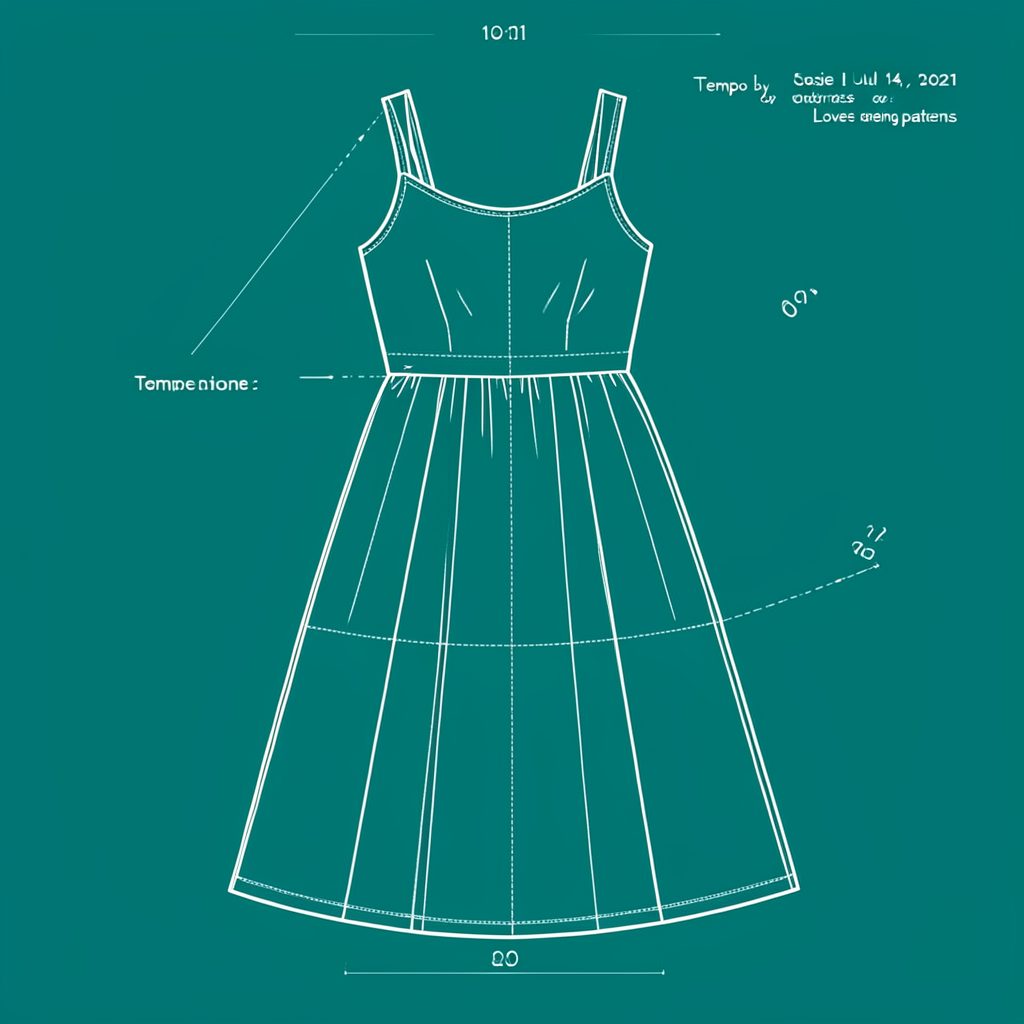
| Tempo Sundress | Love Notions | Sundress | No closures, shirred back panel |
| Arlington Sweater | Love Notions | Sweater | Cold-weather staple |
| Sybil Illusion Skirt | Love Notions | Skirt (knit) | 7 variations, optional pockets |
| Camden Pinafore | Nina Lee Patterns | Pinafore dress | Year-round layering piece |
| Ogden Cami (dress hack) | True Bias | Cami / Dress | Versatile wardrobe builder |
| Burda 6829 | Burda | Dress | Multi-sized, special-occasion |
Stay in Touch
Subscribe to the newsletter for sewing inspiration, pattern tips, and project ideas delivered straight to your inbox.