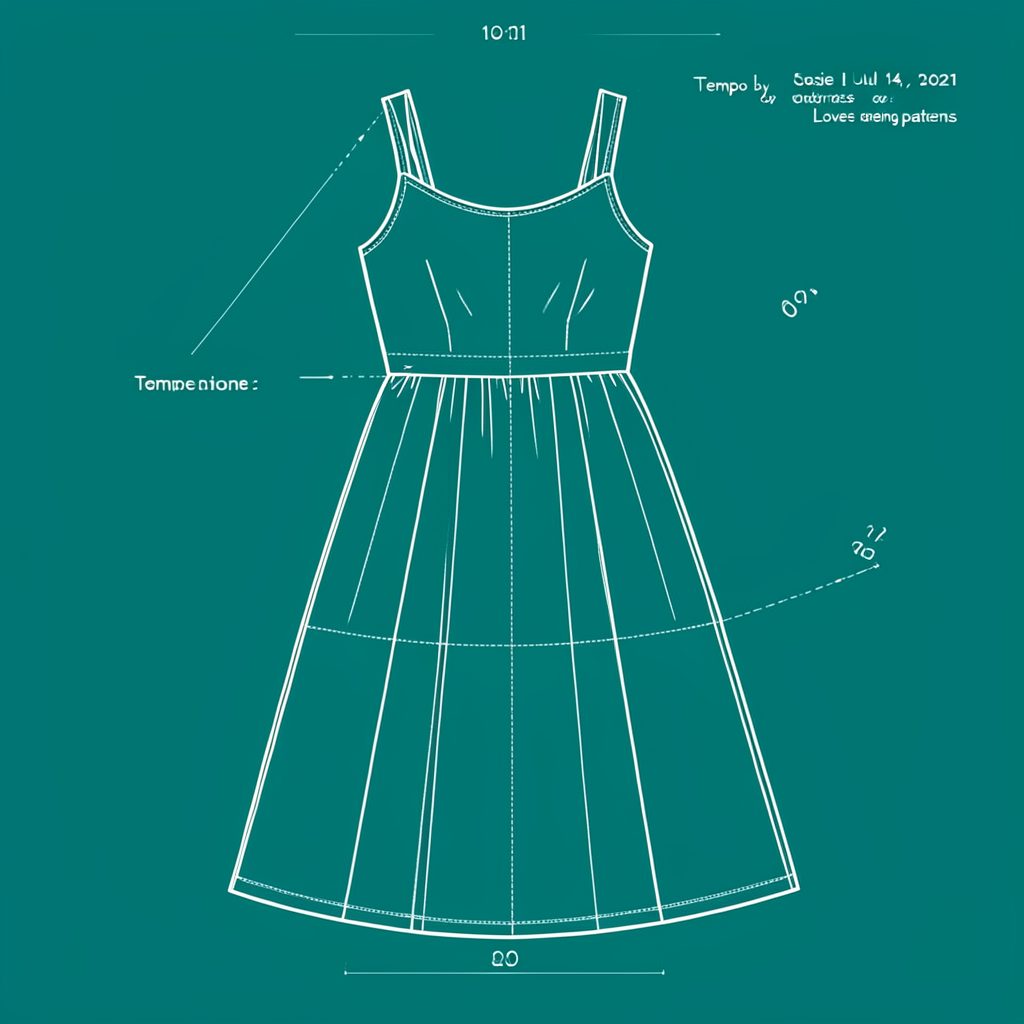
Double Gauze for Little Ones: A Practical Fabric Guide
Soft, airy, and gentle against delicate skin, double gauze has quietly become a beloved choice for baby and kids sewing projects. Many sewists first encounter this fabric through handmade layettes or summer dresses, and quickly discover its charm extends well beyond basic blankets. It offers the softness of a well-worn cotton shirt, paired with enough body to hold its shape in structured garments.
In Australia, where humidity stretches from the Top End down to coastal Brisbane and summer afternoons can feel relentless, breathable fabrics aren't a luxury but a daily necessity. Parents sewing for their children often want materials that handle warm days, sudden paddling-pool splashes, and the demands of an active playground lifestyle. Double gauze ticks many of those boxes while still feeling special in the hand.
Understanding Double Gauze
Double gauze consists of two fine layers of woven cotton that are tacked together at regular intervals during the loom process. The result is a fabric that looks single-layered from a distance but reveals its doubled-up softness when held up to the light. Unlike flannelette, the layers stay breathable, giving the cloth its signature airy drape.
The fabric typically weighs between 120 and 200 grams per square metre, and that weight influences both the finished garment and the sewing approach. Light versions work beautifully for swaddles and summer rompers, while mid-weight options suit lined dresses, bloomers, and loose trousers for older children. Most local fabric retailers in Melbourne and Sydney stock a solid range, so it is worth visiting in person to feel the differences before committing to a project.
Why Double Gauze Suits Australian Conditions
Aussie summers ask a lot of clothing, particularly for babies who are still learning to regulate their body temperature. Cotton double gauze lets air circulate close to the skin, helping little ones stay cool during long drives to the coast or weekends spent outdoors. The fabric also absorbs moisture without feeling damp, which is helpful during the warmer months across Perth and Adelaide alike.
There is a practical angle for parents and gift-givers, too. Double gauze softens with every wash, meaning a handmade garment becomes more comfortable over time rather than wearing out. This makes it a thoughtful choice for heirloom pieces, christening outfits, and baby shower gifts likely to be passed between siblings or cousins.
Preparing and Cutting the Fabric
Pre-washing is essential before any cutting takes place. Double gauze tends to shrink noticeably during the first wash, often between five and ten percent, and skipping this step can leave a finished dress suddenly too short after the first laundry cycle. Wash on a gentle cycle with a mild detergent, tumble dry on low, and press while still slightly damp.
Cutting is where many sewists find their rhythm with this cloth. A sharp rotary blade and a fresh pair of fabric scissors make a noticeable difference, and because the two layers can shift slightly under the blade, pattern weights often perform better than pins alone. Lay the fabric out flat, smooth the layers with a flat hand, and cut in long, confident motions. Pattern pieces benefit from a little extra seam allowance in curved areas like necklines and armholes, giving room to adjust during fitting. If you would like to receive each new post directly, subscribe by email for upcoming fabric guides and project ideas.
Sewing Techniques That Work Best
A universal needle in size 80 or 90 handles most double gauze projects without snagging or leaving visible holes. Cotton thread complements the fabric's natural finish, and a slightly longer stitch length of around 2.5 to 3 millimetres prevents puckering along seam lines. Many sewists find that pressing seams open rather than to one side produces a flatter finish, particularly in visible areas like bodice yokes and cuffs.
For hems, a narrow double-fold hem works well on lightweight cloth, while a small lettuce edge created with a stretch overlock stitch adds a playful finish for summer dresses and bloomers. French seams offer a polished interior on items that will sit next to sensitive skin, hiding raw edges entirely. The comparison below highlights common finishing choices for different garment types.
| Finish Type | Best For | Skill Level | Fabric Weight |
|---|---|---|---|
| Double-fold hem | Everyday dresses, tops | Beginner | Light to medium |
| Rolled hem | Ruffled hems, sleeves | Intermediate | Light |
| French seam | Lined bodices, sleepwear | Intermediate | Light to medium |
| Bias-bound edge | Necklines, armholes | Beginner | Any |
| Lettuce hem | Playful summer pieces | Intermediate | Light |
| Overlocked edge | Casual trousers, shorts | Beginner | Medium |
Pattern Picks for Babies and Kids
Pattern choice shapes the success of any double gauze project just as much as fabric handling. Indie designers offer a wealth of options suited to the cloth's gentle drape. Love Notions patterns include a range of children's garments that translate beautifully to double gauze, particularly relaxed-fit tops, gathered dresses, and elastic-waist trousers that show off the fabric's softness without clinging.
For beginners, a simple kimono-style top or a wrap dress provides practice with minimal fastenings and forgiving fitting. More experienced sewists might pair double gauze with linen for contrast collars, cuffs, and yokes, adding structure exactly where it is needed. The Fabric Store in Sydney and Adelaide, alongside Tessuti in Melbourne, often stock double gauze alongside pattern catalogues from independent designers, making it easier to coordinate choices in one visit.
Colour, Print and Styling Ideas
Double gauze takes dye beautifully, so the colour range tends to lean soft and saturated rather than bold and graphic. Eucalyptus greens, terracotta, dusty blues, and warm mustard shades feel right at home in Australian wardrobes and complement the natural light common in interiors across coastal suburbs. Botanical prints, scattered florals, and small-scale geometrics all photograph well and tend to age gracefully as children outgrow each size.
Fabric shops tucked into Brisbane's creative pockets and at the weekly markets in Fremantle often feature bolt ends that work beautifully for one-off makes or coordinating sibling outfits. Mixing two complementary prints, a feature print for the main garment and a smaller motif for trim or facing, is a popular styling choice. Many sewists stash small cuts in a dedicated drawer, building up a personal library that makes future projects quicker to start. If you would like to chat through pattern or fabric ideas, feel free to get in touch anytime.
Caring for Finished Garments
A little care goes a long way toward keeping handmade children's clothes looking their best through countless washes and playground adventures. Cold or lukewarm water protects both colour and fibre, while a gentle detergent without optical brighteners helps delicate prints stay true. Line drying in the shade, a common practice across much of Australia thanks to abundant sunshine, preserves the fabric's softness and reduces wear on seams.
For stubborn creases after line drying, a quick press with a steam iron while the cloth is still slightly damp works wonders. Avoid high heat, which can flatten the textured surface and shrink the layers unevenly. Stored properly in a cool, dry wardrobe, double gauze garments often outlast the children who first wore them, becoming favourite hand-me-downs for younger siblings. To learn more about my sewing journey and the kinds of projects shared here, have a wander through the blog whenever a spare moment appears.
Popular Pattern Reviews
| Pattern | Designer | Type | Highlight |
|---|---|---|---|
| Compose Robe (Kids) | Love Notions | Robe / Loungewear | Sizes 2T–16, cosy & practical |
| Tempo Sundress | Love Notions | Sundress | No closures, shirred back panel |
| Arlington Sweater | Love Notions | Sweater | Cold-weather staple |
| Sybil Illusion Skirt | Love Notions | Skirt (knit) | 7 variations, optional pockets |
| Camden Pinafore | Nina Lee Patterns | Pinafore dress | Year-round layering piece |
| Ogden Cami (dress hack) | True Bias | Cami / Dress | Versatile wardrobe builder |
| Burda 6829 | Burda | Dress | Multi-sized, special-occasion |
Stay in Touch
Subscribe to the newsletter for sewing inspiration, pattern tips, and project ideas delivered straight to your inbox.