Hemp blend fabrics for sustainable sewing
Hemp blends are becoming easier to find in fabric shops and online stores, giving home sewists another option for breathable, hard-wearing garments. The fibre has a naturally textured appearance, a pleasant dry hand and a reputation for using fewer agricultural inputs than many conventional fibres. Blended with cotton, linen, Tencel or recycled fibres, hemp can become softer, more stable and easier to sew.
For Australian makers, this is a particularly useful fabric family. Hemp’s breathability suits warm weather, while its strength can help everyday garments stand up to frequent washing. A loose hemp-linen shirt may work for humid Brisbane summers, while a medium-weight hemp-cotton twill can become practical trousers for cooler Melbourne days.
The word “sustainable” still needs careful examination. A fabric’s environmental profile depends on farming, fibre processing, dyes, transport, sewing quality and how long the finished garment is worn. Choosing a durable material, making a useful pattern and caring for the garment well are all part of responsible sewing.
Hemp blends also have a distinctive character. They are rarely as smooth and predictable as tightly woven polyester, and they may crease or change slightly after washing. That is not a fault; it is part of learning how a plant-based fabric behaves before choosing it for a new project.
Why sew with hemp blends
Hemp fibres are naturally strong, which makes them well suited to garments that receive regular wear. Shirts, overshirts, elastic-waisted trousers, dresses, chore jackets and casual shorts can all benefit from this durability. A well-made hemp blend may soften with use without becoming flimsy.
The fibre is also breathable and reasonably absorbent. In Australia, that makes it appealing for relaxed summer clothing, especially when combined with a roomy silhouette. A hemp-cotton poplin can feel cooler than a dense synthetic fabric, while hemp-linen offers a crisp, airy finish for button-front tops and wide-leg trousers.
Texture is another advantage. Hemp often has a subtle slub or uneven surface that gives a handmade garment visual interest without requiring a complicated design. Simple indie sewing patterns can show off the cloth beautifully, particularly when the pattern includes clean seams, patch pockets or a relaxed fit.
Hemp, cotton, linen and other combinations
Hemp-cotton is usually the easiest blend for a first project. Cotton adds softness, familiar handling and a broad range of weights, while hemp contributes strength and texture. Look for shirting, lawn or poplin for tops, and canvas or twill for utility garments. The percentage matters: a 55 per cent hemp blend will behave differently from a fabric containing only 20 per cent hemp.
Hemp-linen has a more pronounced natural texture and often presses into sharp folds. It can be excellent for summer dresses, boxy shirts and drawstring trousers, though it may fray more readily. Seams benefit from a neat finish such as overlocking, zigzagging or French seams, depending on the garment’s style and seam allowance.
Some suppliers combine hemp with Tencel or another regenerated cellulose fibre. These fabrics may drape more fluidly and feel smoother against the skin, making them suitable for gathered skirts, soft dresses and tops with gentle movement. They can be less forgiving of pressing and may need a lower iron temperature, so always test a scrap first.
Choosing weight, drape and pattern
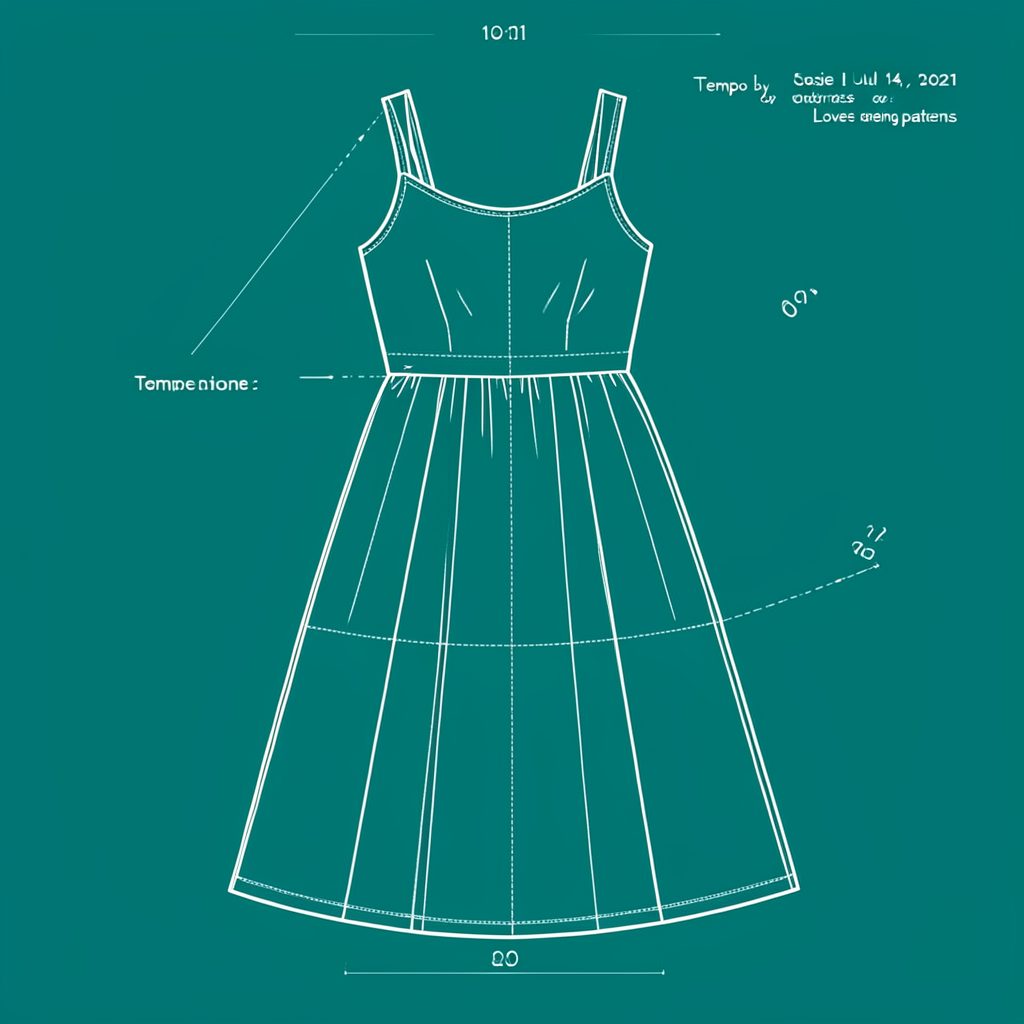
Fabric weight should be matched to the pattern rather than selected by fibre content alone. Lightweight hemp blends suit camisoles, shirts and unlined summer dresses. Medium weights work for casual dresses, skirts, relaxed trousers and overshirts. Heavy twills and canvases are better for jackets, bags, aprons and structured workwear.
Hold the fabric by one corner and observe how it falls. A fabric that collapses into soft folds will behave differently from one that projects away from the body. This quick drape test is useful when shopping online, where a clear description of width, weight and intended use is more valuable than a lifestyle photograph.
Consider ease as well. A firm hemp-cotton woven does not provide much stretch unless elastane is included, so a fitted pattern may need adjustment. Relaxed Love Notions patterns, woven-friendly indie designs and styles with darts, gathers or elastic waists are often easier starting points than close-fitting garments drafted for stretch knits.
Colour and surface can affect the final result too. Natural, undyed shades may show the fibre’s character most clearly, while deep colours can highlight seam pressing and crease lines. If you are planning contrast topstitching, test it on scraps because the textured surface can make stitches appear less even.
Preparing hemp fabric before cutting
Prewashing is essential. Hemp blends may shrink, soften or change their surface after the first wash, especially when they contain cotton or linen. Wash the fabric using the same temperature and method you expect to use for the finished garment. If the fabric will be line-dried, include that in your test rather than relying on a gentle cold wash alone.
Allow the cloth to dry fully before measuring it. A fabric that has tightened unevenly may need a gentle press and a short rest before you place pattern pieces. Check both lengthwise and crosswise shrinkage; trousers and shirt bodies can become noticeably shorter if the cloth changes along the grain.
Use a sharp universal or jeans needle according to the weight, and choose a good-quality polyester thread for general construction. A slightly longer stitch length often suits medium and heavy hemp blends, while a smaller length can help on lightweight cloth. Test tension, seam appearance and pressing on a leftover piece.
The fabric may fray during construction, so finish exposed edges soon after cutting. Staystitch curved necklines and armholes, and use a walking foot if layers shift. For a different challenge, read these velvet sewing tips before working with napped fabrics; the same habit of testing and respecting fabric direction is valuable here too.
Caring for handmade hemp garments
Hemp garments generally reward straightforward care. Follow the fabric supplier’s instructions, but a cool or warm gentle wash and line drying are often sensible choices. Strong heat can encourage shrinkage, while a hot tumble dryer may shorten the life of both the cloth and the elastic or interfacing used in the garment.
Creasing is part of the look for many hemp and linen blends. If you prefer a smoother finish, remove the garment promptly from the washing machine, shake it out and press it while slightly damp. A steam iron can relax stubborn folds, although a pressing cloth is wise for dark or dyed fabrics.
Repairability is one of the strongest sustainability benefits of sewing with robust cloth. Reinforce pocket corners, replace worn elastic and mend small tears before they spread. A visible patch in a complementary fabric can suit the workwear character of hemp better than an invisible repair.
When buying in Australia, check fibre percentages, fabric width, weight and care details rather than relying on labels such as “eco” or “natural”. Local independent fabric stores, weekend makers’ markets and Australian online suppliers may offer swatches, which are especially useful when postage from interstate affects the total cost. For questions about a project, pattern choice or fabric suitability, you can also contact Josie.
Practical choices for your next project
A hemp blend is most successful when its structure, drape and care requirements match the garment. The following guide gives a starting point, but the actual weave and finish should always be checked with a swatch and prewash test.
| Hemp blend and weight | Useful garments | Sewing considerations | Best climate or use |
|---|---|---|---|
| Lightweight hemp-cotton | Shirts, camisoles, simple dresses | Finish fraying edges; use a fine needle | Warm weather and layering |
| Hemp-linen, light to medium | Wide-leg trousers, tops, relaxed dresses | Expect creasing; press carefully | Dry or humid summer wear |
| Hemp-Tencel, lightweight | Draped tops, skirts, soft dresses | Stabilise necklines; test heat before pressing | Fluid everyday garments |
| Medium hemp-cotton twill | Trousers, overshirts, utility dresses | Use a jeans needle and longer stitch | Frequent wear and cooler seasons |
| Heavy hemp canvas | Jackets, bags, aprons | Grade bulky seams; reinforce stress points | Workwear and durable accessories |
- Buy a swatch or small cut before committing to a full garment.
- Prewash the fabric using its intended care routine.
- Select a pattern with enough ease for a firm woven blend.
- Keep scraps for patches, pocket bags and future repairs.
- Store the finished garment clean, dry and away from prolonged direct sunlight.
With thoughtful fabric selection, hemp blends can produce garments that feel comfortable, distinctive and genuinely useful. They suit practical sewing, adapt to many Australian wardrobes and become more personal as the cloth softens through wear. A well-planned pattern and careful construction will do as much for sustainability as the fibre choice itself.
Popular Pattern Reviews
| Pattern | Designer | Type | Highlight |
|---|---|---|---|
| Compose Robe (Kids) | Love Notions | Robe / Loungewear | Sizes 2T–16, cosy & practical |
| Tempo Sundress | Love Notions | Sundress | No closures, shirred back panel |
| Arlington Sweater | Love Notions | Sweater | Cold-weather staple |
| Sybil Illusion Skirt | Love Notions | Skirt (knit) | 7 variations, optional pockets |
| Camden Pinafore | Nina Lee Patterns | Pinafore dress | Year-round layering piece |
| Ogden Cami (dress hack) | True Bias | Cami / Dress | Versatile wardrobe builder |
| Burda 6829 | Burda | Dress | Multi-sized, special-occasion |
Stay in Touch
Subscribe to the newsletter for sewing inspiration, pattern tips, and project ideas delivered straight to your inbox.