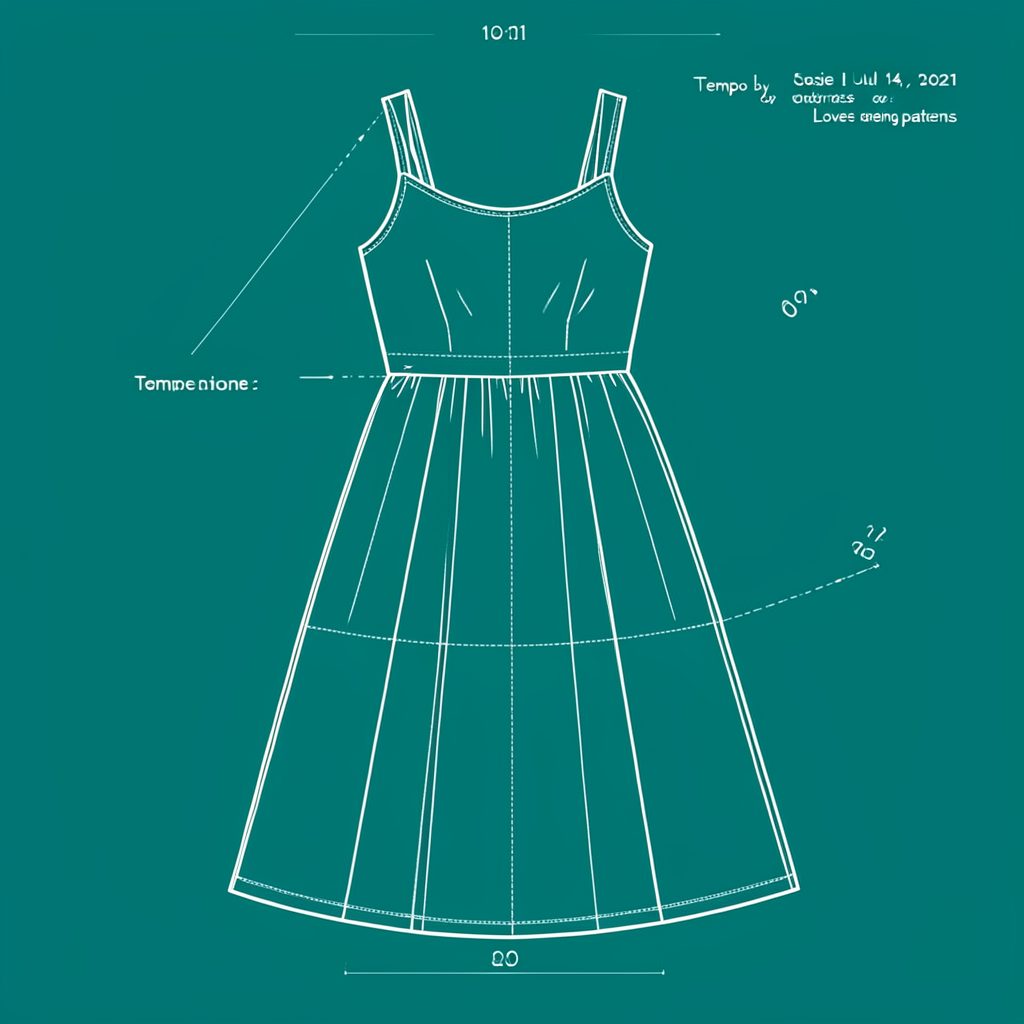
Linen Blends For Easy, Breezy Summer Sewing
Linen is one of my favourite fabrics for warm-weather sewing. It feels cool against the skin, becomes softer with every wash, and gives handmade clothes a relaxed texture that suits everything from loose tops to simple summer dresses. Pure linen can be beautiful, but a linen blend often makes everyday sewing more forgiving.
Blending linen with cotton, viscose, rayon, or a small amount of synthetic fibre changes the way the fabric behaves. It may reduce creasing, add drape, improve durability, or make the finished garment feel smoother. The right choice depends on both the pattern and the kind of clothing you want to wear.
This guide is intended for sewists building a practical summer wardrobe, whether you are making your first pair of elasticated trousers or choosing fabric for an independent sewing pattern. I will focus on the details that matter at the cutting table: fibre content, weight, weave, movement, and care.
Why Choose A Linen Blend
Linen blends combine the airy quality of linen with useful characteristics from another fibre. Cotton-linen is usually more stable and familiar to sew, while linen-viscose has a softer hand and a fluid drape. Linen-rayon can be especially attractive for wide-leg trousers, gathered skirts, and dresses that need movement.
A blended fabric can also be easier to wear than pure linen. The second fibre may reduce the sharpness of creasing, limit shrinkage, or help the garment keep its shape during the day. It will still have the breathable, slightly textured appearance associated with linen, but it may feel less rustic and more polished.
There is no universally perfect percentage. A 55% linen and 45% cotton fabric may be excellent for a structured shirt, while a 70% linen and 30% viscose cloth could be better for a relaxed dress. Handle the fabric whenever possible rather than choosing based on the label alone.
Understanding Fibre Content
Cotton-linen blends are a reliable starting point for beginners. Cotton adds stability and makes the fabric less slippery than some drapey blends. These fabrics often press well, hold a seam neatly, and work for shirts, shorts, pinafore dresses, and lightweight jackets. They can still crease, though the rumpled surface is part of their charm.
Linen-viscose and linen-rayon blends have a noticeably softer fall. They are ideal when the sewing pattern relies on gathers, a bias cut, wide legs, or a gentle swish through the skirt. The trade-off is that they may shift while cutting and can stretch slightly on the cross-grain or bias.
A linen-polyester blend may resist wrinkles and dry quickly, making it practical for holiday clothing or garments that need frequent washing. However, it may feel warmer and less breathable than a natural-fibre blend. Look for a fabric with a soft hand and avoid anything that feels overly shiny or stiff if you want the characteristic comfort of linen.
Match Weight And Weave To The Pattern
Fabric weight matters as much as fibre content. Lightweight linen blends suit camisoles, breezy blouses, gathered dresses, and loose pull-on trousers. Medium-weight cloth offers more coverage and structure for overshirts, utility dresses, skirts, and relaxed jackets. Very lightweight fabric may require lining or careful pattern placement if it is translucent.
The weave affects the finished look. A plain weave is common and versatile, with a smooth surface and balanced stability. Slub linen blends contain thicker threads that create visible texture and a handmade appearance. Herringbone or twill weaves may have more body and can be useful for shorts, chore-style garments, or structured separates.
| Linen blend | Typical feel | Useful summer garments | Sewing considerations |
|---|---|---|---|
| Cotton-linen | Crisp to softly structured | Shirts, shorts, skirts, pinafores | Stable, easy to press, moderate creasing |
| Linen-viscose | Soft and fluid | Dresses, wide-leg trousers, gathered skirts | Shifts during cutting and may need stay-stitching |
| Linen-rayon | Drapey with a smooth fall | Bias skirts, relaxed tops, palazzo trousers | Use sharp pins and support the fabric while sewing |
| Linen-polyester | Light, practical, and crease-resistant | Travel clothes, casual trousers, overshirts | Check breathability and press at a moderate temperature |
| Linen with a little elastane | Comfortable with slight recovery | Fitted tops, pull-on trousers, shorts | Follow stretch direction and use a suitable needle |
Before buying several metres, scrunch a corner of the fabric in your hand and release it. Notice whether it springs back, holds a deep crease, or relaxes into a soft fold. Drape it over your arm as well. This quick test often tells you more about a fabric’s suitability than a product photograph.
Prepare The Fabric Before Cutting
Prewashing is essential for linen blends because shrinkage can vary significantly between fibres. Wash the fabric in the same way you plan to launder the finished garment, then dry it naturally or according to the care instructions. Press it before laying out the pattern so the grain is as accurate as possible.
Some linen-viscose fabrics grow during washing and drying, while cotton-linen may shrink more predictably. If the fabric is expensive, measure a small sample before and after washing. This gives you a useful indication of what to expect and helps prevent a beautifully sewn garment becoming too small after its first clean.
Pay attention to the grainline, especially with a fluid blend. Use a stable cutting surface, smooth the fabric without stretching it, and consider pattern weights instead of lifting the cloth repeatedly. If the fabric has a strong slub or directional texture, mark the right side and keep every pattern piece facing the same way.
Sew Clean Seams And Comfortable Hems
A universal needle in a suitable size usually works well for medium-weight linen blends. Fine cloth may prefer a smaller needle, while a heavier weave can benefit from a sharper 80/12 or 90/14 needle. Test on scraps first, checking that the stitches are even and the fabric is not being pushed into the needle plate.
Stay-stitch curved necklines and armholes soon after cutting, particularly in linen-viscose or linen-rayon. These areas can stretch while you handle the pieces. A narrow zigzag or a light fusible stay tape can add support without making the seam bulky.
French seams are lovely for lightweight summer tops, but they are not suitable for every fabric or pattern. On medium-weight blends, a neat overlocked edge or a turned-and-stitched seam may sit more comfortably. Press each seam as you go, using a pressing cloth if the blend contains synthetic fibres, and finish hems according to the fabric’s weight rather than forcing a very narrow turn.
When working with a loose weave, avoid unpicking repeatedly because needle holes may remain visible. Baste tricky sections, use a slightly longer stitch on stable cloth, and keep fabric scraps for testing buttonholes, pockets, and topstitching.
Pair The Fabric With The Right Pattern
Linen blends work beautifully with patterns that allow air to circulate. Relaxed button-up shirts, boxy tops, elasticated trousers, gathered skirts, and loose-fitting dresses all make good choices. For a first project, a simple silhouette lets the fabric’s texture become part of the design rather than making you manage too many construction details.
A crisp cotton-linen can support a pattern with patch pockets, a collar, or a defined waistband. A drapey linen-viscose is better suited to a pattern with fewer structured details and enough ease to show its movement. If you are considering a Love Notions pattern or another indie design, read the recommended fabric notes carefully and compare them with the cloth in your hands.
Project inspiration and practical sewing notes can be found on the Josie sewing blog, where fabric choices are considered alongside fit and construction. A pattern designed for stable woven fabric may need adjustments if you substitute a fluid linen blend, especially around the neckline, waist, and pocket openings.
Care For A Longer-Lasting Wardrobe
Linen blends generally become softer with washing, but rough treatment can shorten their life. Use a gentle cycle, avoid overloading the machine, and follow the fibre-specific instructions on the fabric label. Hanging garments while damp can reduce deep creases, while air drying helps protect both the cloth and the environment.
Ironing is optional. Many summer garments look better with a little natural rumpling, and steaming can refresh the fabric without flattening its texture. If the blend includes viscose or rayon, avoid twisting it when wet because the fibres can weaken and the garment may lose its shape.
Check care details before purchasing from an unfamiliar supplier by reading their privacy policy, especially if you are ordering online and sharing personal information. Keep scraps from the project too; they are useful for testing future stitches, repairing small holes, or making matching accessories.
Sensible Choices For Your Next Project
A few decisions before cutting can save fabric, time, and frustration. Consider the garment’s ease, the amount of pressing involved, and whether you are happy with a lived-in finish. These simple checks are especially useful when buying linen blends online, where the photograph cannot show the full drape.
- Choose cotton-linen for a stable first project, such as a shirt, skirt, or pair of shorts.
- Choose linen-viscose or linen-rayon when softness and movement matter more than crisp structure.
- Prewash and press the fabric before making any fitting decisions.
- Buy extra fabric for directional slubs, pattern matching, shrinkage, and cutting mistakes.
- Subscribe through the email updates if you would like occasional sewing inspiration and practical project notes.
A well-chosen linen blend can make a summer garment feel both handmade and genuinely wearable. Start with the pattern’s fabric requirements, compare them with the cloth’s weight and drape, and test the fabric before committing to a complicated design. With those steps in place, your next warm-weather project can be cool, comfortable, and ready for plenty of sunny days.
Popular Pattern Reviews
| Pattern | Designer | Type | Highlight |
|---|---|---|---|
| Compose Robe (Kids) | Love Notions | Robe / Loungewear | Sizes 2T–16, cosy & practical |
| Tempo Sundress | Love Notions | Sundress | No closures, shirred back panel |
| Arlington Sweater | Love Notions | Sweater | Cold-weather staple |
| Sybil Illusion Skirt | Love Notions | Skirt (knit) | 7 variations, optional pockets |
| Camden Pinafore | Nina Lee Patterns | Pinafore dress | Year-round layering piece |
| Ogden Cami (dress hack) | True Bias | Cami / Dress | Versatile wardrobe builder |
| Burda 6829 | Burda | Dress | Multi-sized, special-occasion |
Stay in Touch
Subscribe to the newsletter for sewing inspiration, pattern tips, and project ideas delivered straight to your inbox.