Merino Wool Jersey for Layering: A Maker's Fabric Guide
When winter bites through Hobart or a frosty Melbourne morning turns mild by afternoon, a good base layer earns its place in any handmade wardrobe. Merino wool jersey has become a quiet staple across Australian sewing circles for exactly this reason: it handles the country's wild climate swings while still feeling gentle against the skin. Unlike heavier woollens many sewists grew up handling, jersey-weight merino behaves more like a soft cousin of cotton knit, approachable for hobbyists sewing everything from fitted tops to relaxed tunics.
There is a reason merino sits at the centre of so many layering conversations. The fibres manage moisture, regulate temperature, and resist odour, so a well-made merino top can be worn several times between washes. For sewists building garments that look polished through a brisk walk through Sydney's Royal Botanic Gardens or a chilly market morning in Adelaide, the fabric offers a rare mix of practicality and comfort. It drapes softly, recovers from creasing, and sews into pieces that feel considered rather than overwrought.
This guide walks through what to look for when buying merino jersey, how to handle it at the cutting table, and the construction choices that keep a finished layering piece looking sharp. There are notes on Australian suppliers, op-shop hunting, and small finishing details along the way.
What Makes Merino Wool Jersey Different
Merino wool comes from a specific breed of sheep, and the fleece is graded by fibre diameter measured in microns. The lower the micron count, the softer the yarn feels next to the skin. A 17 to 19 micron merino is considered ultra-fine and turns up in base layers from brands like Icebreaker and Country Road. Mid-range options sit at 19 to 21 microns and work beautifully for everyday tops. Anything above 23 starts to feel prickly and tends to suit outerwear more than close-fitting layers.
Jersey knit construction matters just as much as the fibre itself. A true merino jersey has loops of yarn knitted in a single, smooth face with a slightly textured reverse. The fabric stretches in both directions, drapes in soft folds, and weighs considerably less than woven wool of similar appearance. It bounces back from a stretch and does not hold a crease the way a wool flannel would. Its natural resistance to pilling, particularly in well-spun yarns from reputable mills, also means the surface stays smooth through repeated wear.
Reading the Numbers: Micron Count and Fabric Weight
Choosing merino jersey is partly about reading numbers on the bolt end and partly about matching them to the garment you want to make.
| Use case | Micron count | Weight (gsm) | Drape | Best for |
|---|---|---|---|---|
| Fitted base layer or cami | 17–19 | 150–170 | Close, smooth | Tanks, fitted long sleeves |
| Everyday tee or pullover | 19–21 | 180–220 | Soft, fluid | T-shirts, relaxed tops |
| Cosy layering piece | 21–23 | 220–260 | Generous, structured | Cardigans, wrap tops |
| Heavy outer layer | 23+ | 260+ | Firm, weighty | Light jackets, unstructured blazers |
For most projects featured here, 180 to 220 gsm at 19 to 21 microns hits the sweet spot. Heavy enough to feel like real clothing, light enough to layer under a cardigan without bulk, and soft enough to stay comfortable all day.
A few practical things to check on the bolt:
- Stretch a small swatch crosswise and release. Quality merino snaps back without lingering distortion.
- Hold the fabric to a window and look for thinner patches that signal uneven spinning.
- Wash a corner swatch first, since most merino jersey shrinks slightly on the first wash.
- Buy from a supplier who can tell you the micron count, weight, and country of origin without hesitation.
Where to Source Merino Jersey in Australia
Australia is one of the world's largest producers of merino wool, so the fabric is easier to source here than almost anywhere else. Spotlight carries merino jersey seasonally, though their range tends toward heavier weights. For deeper selection, independents like The Remnant Warehouse in Sydney, alongside specialty wool shops in Melbourne and a handful of Brisbane-based indie retailers, offer curated bolts and can often order specific weights if asked.
Online, Australian-focused merchants ship merino jersey domestically with reasonable lead times. Several Melbourne-based shops stock a thoughtful range of wool jerseys by the metre, and smaller online-only sellers focus on natural fibres for everyday sewing. Nundle in New South Wales and the historic mills near Geelong remain famous for their wool production, and small offshoot brands occasionally release deadstock at lower prices.
Op shops are an underrated source. Salvos Stores and Vinnies across Melbourne, Sydney, and Perth regularly receive donated wool tops, and careful hunting can turn up charity shop merino in excellent condition. Unpicking is slow work, but the resulting flat pieces can be repurposed into a layering piece with a more relaxed fit.
Prepping and Cutting Merino Wool Jersey
Merino jersey rewards a slow approach at the cutting stage. Pre-wash the fabric in cool water with a wool detergent, press gently in a towel to remove moisture, and lay flat to dry. Tumble drying encourages shrinkage and felting, which undermine a careful fit. Once dry, press with a steam iron on low, ideally through a pressing cloth, so the fibres settle into their final size.
Cutting calls for a fresh, sharp rotary blade or fine fabric scissors, since dull blades cause snags and pulled yarns. A cutting mat, pattern weights, and a clean flat surface are worth the small investment. Because the fabric stretches, pulling while cutting distorts the piece, leaving a finished garment that grows longer than intended. Smooth the fabric flat, weight the pattern pieces, and let the blade do the work.
A short kit covers most situations:
- Ballpoint or stretch needles in 70/11 and 80/12
- Polyester or woolly nylon thread for stretch recovery
- Walking foot or dual feed if your machine supports it
- Lightweight fusible knit interfacing for necklines and cuffs
Construction Techniques That Respect the Fibre
Sewing merino jersey is broadly similar to sewing other knits, with a few adjustments. Stay stitching the shoulder seams after cutting helps the neckline hold its shape, and a reduced seam allowance of 6 mm keeps bulk low on curved seams. A twin needle produces a tidy hem on a domestic machine, while a coverstitch gives the most professional finish for those lucky enough to own one.
Seams that meet at awkward angles can pull and pucker if not handled carefully. A calm walkthrough of handling these joins sits in the guide to how to sew a yoked seam on a shirt, worth bookmarking before tackling a more detailed pattern. For necklines, merino behaves kindly when cut on the bias or finished with stretch binding, both of which keep the curve smooth through many wears.
Hems look best when not bulky. A single folded hem, pressed and stitched with twin needle or coverstitch, sits flatter than a double fold. Cuffs and waistbands cut crosswise from the same fabric add subtle stretch in the right direction and keep the project looking quietly intentional.
Layering Pieces for Australian Weather
Layering in Australia is its own particular puzzle. Winter in Sydney is mild enough for a single merino top under a trench, while Hobart might call for a long-sleeve base under a heavy cardigan. Brisbane sewists often build a wardrobe of sleeveless and three-quarter sleeve pieces for the dry season between June and August, while Melburnians lean toward heavier 220 gsm weights that handle grey mornings and indoor heating with equal grace.
For travel, merino layers fold small, dry quickly on a hotel room rack, and resist the staleness that builds in a suitcase over a week-long trip. A self-made merino pullover in a colour that pairs with both denim and linen earns its keep on a flight to Perth as readily as on a weekend at a sewing retreat. The fabric slips easily under a coat, and the natural elasticity keeps the silhouette neat rather than lumpy.
A neat neckline can pull the whole outfit together, especially when the layering piece is worn against bare skin or under a V-neck jumper. For sewists ready to step beyond a standard crew, pattern modifications for finishing a pullover sit in the piece on how to create a custom neckline on a pullover top, a good companion to this fabric guide. With the right neckline, even a basic tee can become the most worn item through winter.
Popular Pattern Reviews
| Pattern | Designer | Type | Highlight |
|---|---|---|---|
| Compose Robe (Kids) | Love Notions | Robe / Loungewear | Sizes 2T–16, cosy & practical |
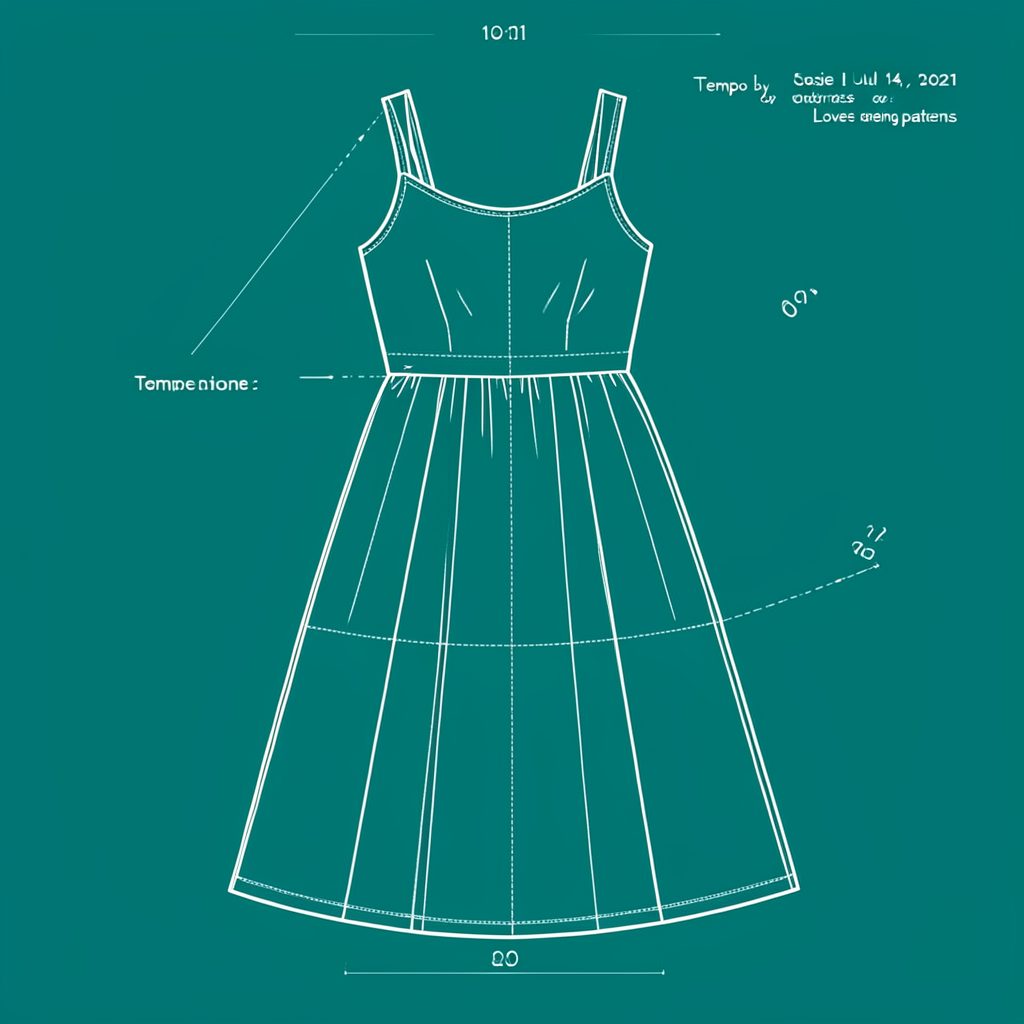
| Tempo Sundress | Love Notions | Sundress | No closures, shirred back panel |
| Arlington Sweater | Love Notions | Sweater | Cold-weather staple |
| Sybil Illusion Skirt | Love Notions | Skirt (knit) | 7 variations, optional pockets |
| Camden Pinafore | Nina Lee Patterns | Pinafore dress | Year-round layering piece |
| Ogden Cami (dress hack) | True Bias | Cami / Dress | Versatile wardrobe builder |
| Burda 6829 | Burda | Dress | Multi-sized, special-occasion |
Stay in Touch
Subscribe to the newsletter for sewing inspiration, pattern tips, and project ideas delivered straight to your inbox.