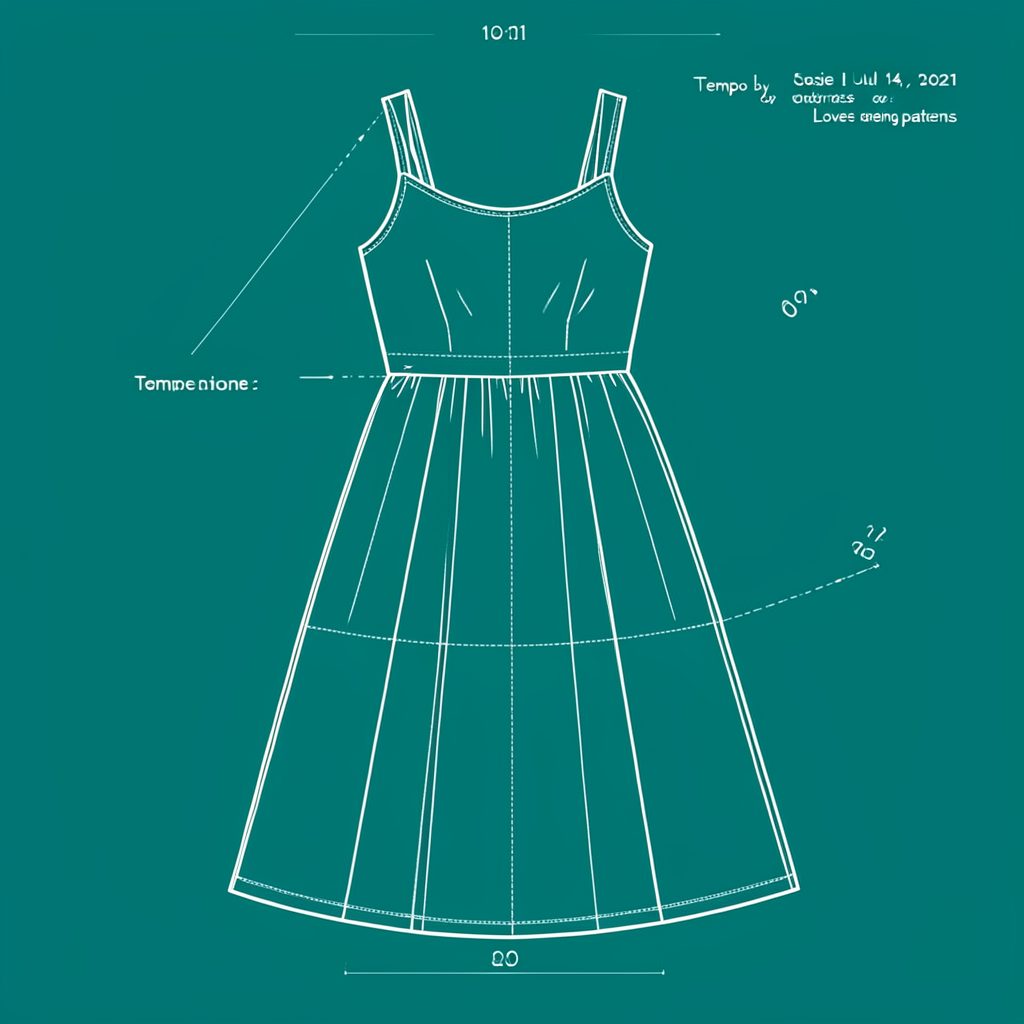
Organic Cotton Fabric For Eco-Friendly Sewing Projects
Choosing fabric is one of the most satisfying parts of planning a sewing project, but it also shapes how a finished garment feels, wears, and affects the environment. Organic cotton is a popular option for sewists who want natural fibres and a considered approach to their fabric stash.
The term covers many different materials, from crisp poplin and sturdy canvas to soft jersey and brushed fleece. Each has its own qualities, so understanding the fibre is only the beginning. The weave, weight, finish, colour, and certification all influence whether it will suit a particular pattern.
For indie sewing patterns, especially everyday garments with plenty of wear, organic cotton can offer comfort and reliability without making fabric selection feel complicated. A little preparation helps you choose well and avoid buying more fabric than the project needs.
What Makes Cotton Organic
Organic cotton is grown without most synthetic pesticides, genetically modified seeds, or chemical fertilisers commonly used in conventional cotton farming. Approved organic systems focus on soil health, biodiversity, crop rotation, and farming methods that reduce reliance on harsh inputs.
The fibre itself is still cotton. Its handle, strength, breathability, and absorbency depend largely on the variety of cotton and how it has been spun and woven. Organic status relates chiefly to cultivation, while the later stages of manufacturing require separate consideration.
Look for recognised certifications when environmental claims matter to you. The Global Organic Textile Standard, usually shown as GOTS, covers organic fibre content alongside processing, dyes, wastewater, and some labour requirements. The Organic Content Standard verifies organic fibres but has a narrower scope. A fabric described simply as “eco” may have no independent certification, so checking the supplier’s information is worthwhile.
Certification does not make a fabric impact-free. Cotton still needs land, water, energy, and transport, and finished cloth may travel through several countries before reaching a UK fabric shop. Buying thoughtfully and sewing garments that will be worn often remains an important part of the picture.
Choosing The Right Organic Cotton
The best organic cotton fabric depends on the pattern and the finished shape. Poplin is smooth, stable, and easy to handle, making it a useful choice for shirts, gathered dresses, children’s clothing, and lightweight pyjamas. It presses neatly and usually behaves predictably under a sewing machine.
Canvas and twill are better suited to utility garments, bags, aprons, jackets, and home accessories. Their firm structure adds durability, although a heavy fabric may overwhelm a pattern designed for drape. For trousers or chore jackets, check the recommended fabric weight before substituting a particularly dense cloth.
Organic cotton jersey contains knitted loops rather than a woven grid, giving it stretch and a softer movement. It works well for T-shirts, lounge trousers, leggings, and casual dresses. Check whether the pattern requires two-way or four-way stretch, and compare the stated stretch percentage with the fabric’s recovery.
Flannel, double gauze, corduroy, and brushed cotton bring further options for seasonal sewing. Double gauze is airy and comfortable but can shift while cutting. Corduroy has a directional nap, so pattern pieces generally need to face the same way. These details affect both the sewing process and the amount of fabric required.
Fabric Qualities At A Glance
A fabric’s practical performance often matters more than its label. The comparison below gives a starting point, but always read the supplier’s specification and order a sample where possible.
| Organic cotton type | Typical projects | Main strengths | Points to check |
|---|---|---|---|
| Poplin | Shirts, dresses, pyjamas | Stable, smooth, easy to press | Limited drape; may crease |
| Lawn | Blouses, gathered skirts, linings | Lightweight and soft | Can be slightly translucent |
| Jersey | T-shirts, knit dresses, loungewear | Stretchy and comfortable | Stretch and recovery vary |
| Canvas | Bags, aprons, workwear | Strong and hard-wearing | May be too stiff for light patterns |
| Double gauze | Tops, baby items, summer clothing | Breathable and gentle | Shifts and frays during cutting |
| Corduroy | Trousers, pinafores, jackets | Warm texture and durability | Nap requires careful layout |
| Brushed cotton | Shirts, overshirts, sleepwear | Warm and cosy | Can shrink and shed fibres |
A fabric swatch can reveal useful information that a product photograph cannot. Rub it between your fingers, hold it against the light, stretch it across the grain, and see how quickly it recovers. Scrunching the sample also gives an indication of creasing, while a gentle pull along the cut edge shows how much it may fray.
Preparing Organic Cotton Before Sewing
Prewashing is essential for most cotton projects because the fabric may shrink, especially after its first warm wash. Wash the fabric in the same way you expect to wash the completed garment. A cold or 30°C cycle may preserve colour and reduce energy use, but the care routine must suit how the item will actually be treated.
Drying can change the result. Tumble drying may create greater shrinkage and a softer handle, while line drying uses less energy but can leave some fabrics crisper. If you plan to tumble dry frequently, include that step before cutting. Press the fabric once it is dry so that the grain is easier to assess.
Check for distortion after washing. Fold the fabric selvedge to selvedge and compare the edges. If they no longer align, gently reshape the cloth with steam and pressing rather than pulling it aggressively. For a knit, allow the fabric to rest flat before checking its stretch again.
Natural dyes and low-impact colour processes can still fade with repeated washing. Wash dark and bright colours separately at first, use a suitable detergent, and avoid washing garments more often than necessary. Airing, spot cleaning, and wearing layers can extend the useful life of handmade clothing.
Sewing Tips For A Better Result
Use a fresh, fine universal needle for lightweight woven cotton and a ballpoint or stretch needle for jersey. The correct needle reduces skipped stitches, pulled threads, and visible holes. Match the thread weight to the fabric, and test the tension on a scrap containing the same number of layers as the garment.
Cotton poplin usually responds well to standard seams, but loose weaves may benefit from zigzagging, pinking, overlocking, or a neat French seam. Double gauze and lightweight lawn can fray quickly, so finish exposed edges before they become difficult to manage.
Staystitch curved necklines and armholes soon after cutting. This is particularly helpful for soft or loosely woven cloth, which can stretch while being handled. For jersey, use a narrow zigzag or a stretch stitch unless an overlocker is available, and avoid stretching the fabric as it passes beneath the presser foot.
Pattern instructions should guide your fabric choice, but small adjustments may improve the result. A heavier cloth could require a larger seam allowance for bulky intersections, while a fluid fabric may need extra stabilisation at button bands or waistlines. Make a toile when the fit is unfamiliar, then use it to test construction details as well as size.
Building A More Considered Fabric Stash
Buying organic fabric is most useful when the cloth becomes a garment or object that earns its place in your home. Before ordering, compare the fabric width with the pattern requirements, consider whether the colour works with clothes you already own, and think about how often the finished piece is likely to be worn.
Deadstock organic cotton, reclaimed fabric, and quality second-hand textiles can also reduce demand for new production. A smaller remnant may be ideal for a tote bag, pocket lining, patchwork, scrunchies, or sewing samples. Keeping a labelled remnant box makes it easier to use these pieces instead of purchasing new fabric for small projects.
These recommendations can help keep your choices practical:
- Choose durable cloth for frequently worn garments and save delicate fabric for occasional pieces.
- Verify certification, fibre content, width, weight, and care instructions before ordering.
- Prewash and press fabric before cutting, using the care routine intended for the finished item.
- Buy enough for the project, while avoiding large quantities that may remain unused.
- Repair, alter, and refashion handmade garments when the fabric is still serviceable.
If you enjoy practical fabric notes, pattern reviews, and project updates, you can receive email updates when new sewing content appears. Keeping a record of fabrics that perform well is useful too: note the supplier, fibre type, weight, shrinkage, and the pattern made from it.
Making Sustainability Part Of The Process
Sustainable sewing is less about finding a perfect textile and more about making careful decisions throughout a project. Organic cotton can be a strong choice when its growing and manufacturing credentials are clear, but a well-loved conventional garment that is worn for years may have a smaller practical footprint than an organic fabric purchase that sits unused.
Think about longevity from the planning stage. Choose a pattern with a useful fit, timeless details, and construction that you can repair. Select colours that work with existing clothes, reinforce high-stress points, and wash garments gently. These habits help preserve fabric, thread, time, and the creative energy invested in sewing.
It is also sensible to check the terms attached to fabric claims, pattern reviews, and product links. The blog disclaimer explains how information and recommendations on the site should be understood, helping readers make their own informed choices.
Organic cotton offers a versatile foundation for handmade wardrobes, from cool summer tops to robust workwear and comfortable knit basics. Choose the cloth for the pattern, prepare it carefully, and sew with regular use in mind. Then begin with one well-planned project and let the finished piece show what thoughtful fabric selection can achieve.
Popular Pattern Reviews
| Pattern | Designer | Type | Highlight |
|---|---|---|---|
| Compose Robe (Kids) | Love Notions | Robe / Loungewear | Sizes 2T–16, cosy & practical |
| Tempo Sundress | Love Notions | Sundress | No closures, shirred back panel |
| Arlington Sweater | Love Notions | Sweater | Cold-weather staple |
| Sybil Illusion Skirt | Love Notions | Skirt (knit) | 7 variations, optional pockets |
| Camden Pinafore | Nina Lee Patterns | Pinafore dress | Year-round layering piece |
| Ogden Cami (dress hack) | True Bias | Cami / Dress | Versatile wardrobe builder |
| Burda 6829 | Burda | Dress | Multi-sized, special-occasion |
Stay in Touch
Subscribe to the newsletter for sewing inspiration, pattern tips, and project ideas delivered straight to your inbox.