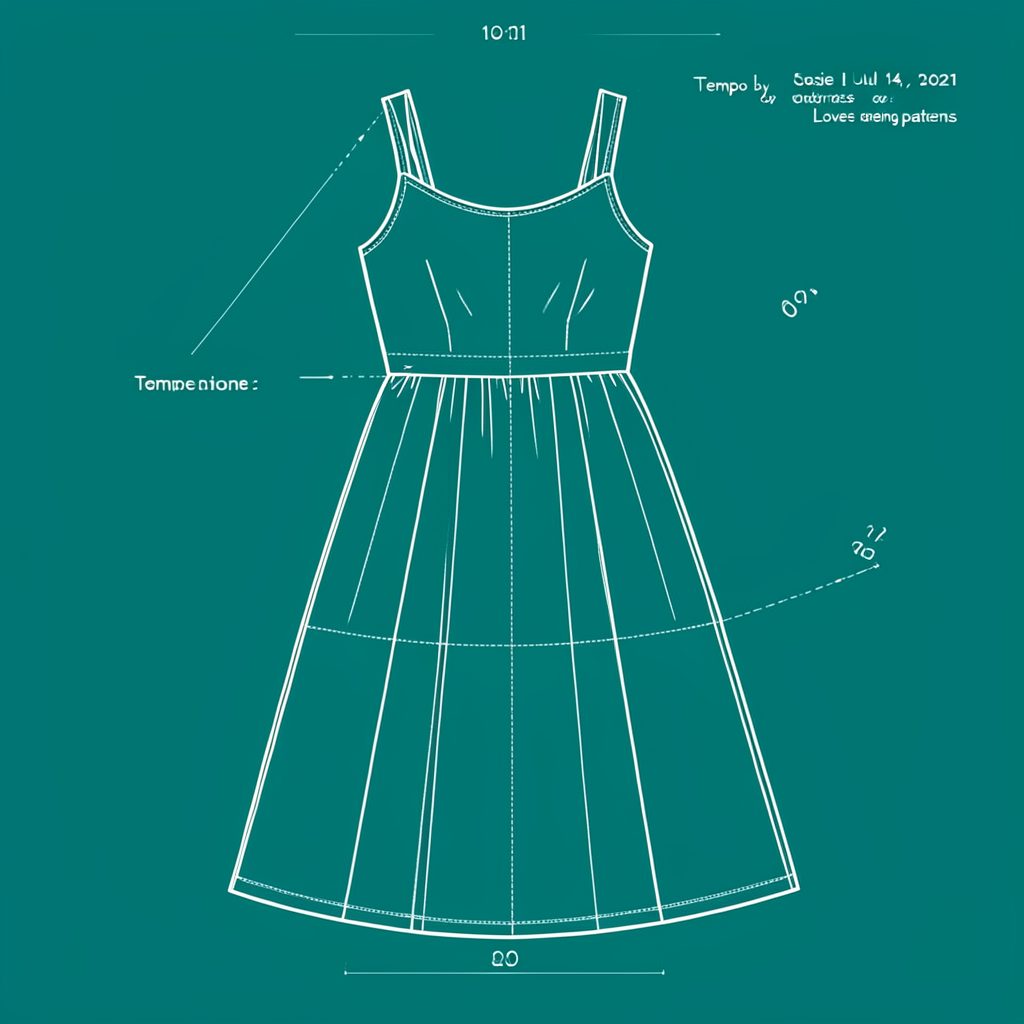
Working with organic cotton poplin in structured sewing projects
Organic cotton poplin has earned a permanent spot on my cutting table, especially when I'm sewing garments that need a bit of body. Crisp button-ups, structured shirt dresses, tailored trousers - all benefit from a fabric that holds its shape without feeling stiff or scratchy. If you've been curious about working with a more sustainable, breathable woven, this guide walks through what to expect from organic poplin and how it behaves under the needle.
For sewists based in Australia, the climate shapes a lot of our fabric choices. Hot summers in Brisbane, humid days along the NSW coast, and dry inland heat all push us toward breathable fibres. Cotton ticks those boxes, and the organic version comes with the bonus of softer handling and cleaner processing. Whether you're shopping at The Fabric Store in Melbourne, browsing the cotton drawers at Spotlight, or scrolling through Cloth Edit from your loungeroom in Adelaide, organic poplin is easier to find now than it was a few years ago.
What makes organic cotton poplin different
Poplin is a plain weave fabric with a fine warp and a slightly thicker weft, which gives it that subtle horizontal rib and a smooth surface. The tighter weave produces a cloth with enough body to hold a crease, take a press, and support details like collars and cuffs. Organic cotton refers to cotton grown without synthetic pesticides or fertilisers, usually certified under GOTS (Global Organic Textile Standard). That certification covers everything from the field to the finished bolt, so the fabric you buy has been traced through cleaner supply chains.
Conventional cotton poplin and organic cotton poplin can look almost identical on the bolt, but the hand feel often gives the organic version away. It tends to feel softer from the first wash, partly because organic fibres are typically less coated with chemical residues. The crispness is still there, but it's a softer crispness - one that presses beautifully without fighting back. For sewists with sensitive skin or anyone who finds conventional cotton a bit harsh against the wrists, this difference is noticeable from the first wear.
Why the structure holds its shape
Structured garments need fabric that can support itself. Think of a button band that lies flat, a collar stand that stands up, a pleat that drops cleanly without buckling. Drapey fabrics like rayon challis or silk crepe struggle with these tasks because they collapse under their own weight. Poplin, by contrast, has enough internal structure to keep shapes defined through long days of wear.
The fabric's weave density also affects how it handles topstitching and interfacing. Edges stay crisp, hems fall evenly, and seams don't pucker easily. For a sewist working on a Love Notions Vista shirt or a more fitted woven dress, this reliability removes a layer of guesswork. You're not compensating for limp fabric; you're working with material that cooperates, which makes the difference between a handmade garment that looks polished and one that reads as a toile.
Sourcing organic cotton poplin in Australia
Australian sewists have several reliable routes to organic cotton poplin. The Fabric Store carries a rotating range of GOTS-certified cottons across its Melbourne, Sydney, and Brisbane shops, and staff are usually happy to talk through which cloth suits which pattern. Tessuti in Sydney stocks premium European cottons, including organic options from makers like Atelier Brunette and Mind the Maker. Spotlight, found in most capital cities and many regional centres, has been expanding its organic and sustainable ranges, though stock varies between stores.
Online, Cloth Edit and Miss Maude ship from within Australia, which keeps delivery times sensible and avoids surprise customs charges. For something more curated, Remnant Warehouse in Sydney runs occasional organic cotton drops worth watching on Instagram. Before you commit, check the fibre content and care instructions on the listing - some organic cottons are blended with a small percentage of elastane for stretch, which changes how the fabric behaves in a structured pattern.
Pre-washing and preparing the fabric
Pre-washing is non-negotiable with cotton poplin, organic or otherwise. Most cotton shrinks somewhere between 3% and 5% on the first wash, and skipping this step can mean a perfectly fitted top becomes a crop after the first laundering. Wash on a gentle cycle with mild detergent, tumble dry briefly to bring up any remaining shrinkage, then press while slightly damp for the smoothest finish.
Cut on a flat surface with sharp shears or a fresh rotary blade. Cotton poplin frays more than lawn, so consider overlocking or zigzagging the raw edges straight away, particularly if you're not sewing the seam immediately. Pressing as you go is worth the extra few minutes - the fabric rewards a hot iron with steam and holds the press beautifully, which makes pattern matching and notches much easier to manage.
Cutting and sewing tips
Use pattern weights rather than pins when possible, especially with crisper poplins, to avoid distorting the weave. If you prefer pins, place them within the seam allowance to avoid leaving permanent holes in the right side of the fabric. A size 80 universal needle handles most poplins well; switch to a microtex needle if you're getting skipped stitches on tightly woven cloth.
For hems on lighter poplins, a folded hem can sometimes feel bulky. I often sew a hem band instead, which distributes the weight and gives a cleaner line. Stay-stitch curved necklines and bias edges before assembly, and clip into concave curves so the seam lies flat when turned. Topstitch with a slightly longer stitch length than usual, around 3mm, to keep the line crisp without pulling the fabric.
Project ideas worth trying
Structured cotton poplin suits a wide range of woven patterns. Love Notions' lineup includes several designs that shine in this fabric - the Somerset dress, the Sunrise tank in its woven version, and the Vista button-up are all worth considering. For something more tailored, the Ogden cami pattern from True Bias works beautifully in poplin for a structured summer top with a clean neckline.
If you're sewing for the Australian climate, a sleeveless shirt dress in organic poplin is a brilliant trans-seasonal piece. Pair it with sandals for a Brisbane arvo or layer it over a long-sleeved tee for cooler mornings. Trousers with a flat front and back pockets also benefit from poplin's stability, holding their crease through long days at the desk or weekends at the markets. Whatever you choose, make a toile first in a cheaper fabric to check fit before cutting into your good cloth. If the pattern runs long in the torso or sleeves, there are gentle ways to shorten a pattern without distorting the shape that preserve the original silhouette.
Caring for finished makes
Cotton poplin is wonderfully easy to live with once the garment is finished. Wash on a cool cycle, line dry in the shade to protect the colour, and press with a hot iron while slightly damp. Avoid over-drying in the tumble dryer, which can weaken fibres over time and set in unwanted creases.
Storage matters too. Hang structured tops on shaped hangers to keep shoulder lines crisp, and fold trousers along a creased line rather than draping them over a rail. If a stain happens, treat it promptly with a gentle wool wash or a dedicated spot cleaner rather than reaching for harsh bleach, which can weaken organic fibres faster than conventional ones.
Comparing organic cotton poplin to similar fabrics
| Fabric | Weight | Drape | Structure | Breathability | Best for |
|---|---|---|---|---|---|
| Organic cotton poplin | Medium | Light, crisp | High | Excellent | Button-ups, shirt dresses, trousers |
| Conventional cotton poplin | Medium | Light, crisp | High | Excellent | Same as above |
| Cotton lawn | Light | Soft, fluid | Low | Excellent | Summer blouses, lined dresses |
| Linen | Medium-heavy | Crisp, textured | Medium-high | Excellent | Wide-leg trousers, jackets |
| Cotton twill | Medium-heavy | Stiff, substantial | Very high | Good | Trousers, jackets, utility wear |
Practical recommendations for sewing with organic cotton poplin
- Pre-wash on a warm cycle and tumble dry briefly to stabilise the fabric before cutting.
- Use a size 80 universal or microtex needle and cotton or polyester thread for clean stitches.
- Interface collars, cuffs, and button bands with a medium-weight woven interfacing for structure without bulk.
- Press as you sew rather than pressing everything at the end, especially along seams and darts.
- Line garments only where necessary, since poplin breathes well on its own and lining can add unwanted warmth.
- Store finished makes on shaped hangers or carefully folded to maintain shape between wears.
- For pattern pairing advice on a specific organic poplin in your stash, the contact page is open for questions about cloth and pattern combinations.
Popular Pattern Reviews
| Pattern | Designer | Type | Highlight |
|---|---|---|---|
| Compose Robe (Kids) | Love Notions | Robe / Loungewear | Sizes 2T–16, cosy & practical |
| Tempo Sundress | Love Notions | Sundress | No closures, shirred back panel |
| Arlington Sweater | Love Notions | Sweater | Cold-weather staple |
| Sybil Illusion Skirt | Love Notions | Skirt (knit) | 7 variations, optional pockets |
| Camden Pinafore | Nina Lee Patterns | Pinafore dress | Year-round layering piece |
| Ogden Cami (dress hack) | True Bias | Cami / Dress | Versatile wardrobe builder |
| Burda 6829 | Burda | Dress | Multi-sized, special-occasion |
Stay in Touch
Subscribe to the newsletter for sewing inspiration, pattern tips, and project ideas delivered straight to your inbox.