Choosing Performance Knits For Activewear Makes
Activewear fabric has to work harder than an ordinary jersey. It needs to stretch with the body, recover after movement, manage moisture, and feel comfortable against the skin. The right material can make a carefully sewn garment feel supportive and polished, while the wrong one may sag, twist, or become transparent during wear.
Performance knits include a wide range of fabrics, from lightweight polyester jersey for running tops to firm nylon elastane for leggings and sports bras. Their names can vary between suppliers, so learning how to assess the fabric itself is often more useful than relying on a product title.
For indie sewing patterns, fabric choice is closely tied to fit. A Love Notions pattern or another activewear design may specify stretch percentages, recovery, weight, and recommended fibres. Treat those details as part of the pattern instructions rather than optional guidance.
What Makes A Knit Suitable For Activewear
The most important feature is usually four-way stretch. This means the fabric stretches both across its width and along its length, allowing a garment to follow bending, reaching, running, and twisting. Two-way stretch can work for looser layers, but it is rarely suitable for close-fitting leggings or fitted sports tops.
Stretch percentage tells you how far the fabric extends compared with its original width. A fabric that measures 10 cm and stretches comfortably to 13 cm has 30% stretch. Patterns may ask for a minimum amount, so test the fabric without forcing it. If it only reaches the required measurement with considerable pressure, it may feel restrictive when sewn.
Recovery is equally important. A knit with good recovery returns to its original shape after stretching. Poor recovery can cause baggy knees, a loose waistband, or a neckline that gradually becomes wavy. Hold the fabric stretched for a few seconds, release it, and watch how quickly it returns.
Understanding Common Activewear Fibres
Polyester performance knits are widely used because they are durable, quick-drying, and often more affordable than premium nylon fabrics. They are particularly useful for leggings, running tops, sweat-wicking tees, and children’s sportswear. Polyester can vary considerably in softness, so a small sample is worth ordering before committing to a full garment.
Nylon elastane blends tend to have a smooth, cool hand and excellent stretch recovery. They are popular for yoga leggings, swimwear-inspired designs, fitted cycle shorts, and supportive bras. Nylon often feels softer against the skin, although it may cost more and can require gentler washing to preserve its finish.
Bamboo, rayon, and modal blends can feel beautifully soft, but they are not automatically suitable for high-impact exercise. Some have lovely drape and moderate stretch but lack the recovery needed for compression garments. They can be excellent for relaxed lounge trousers, layering tops, or low-impact pieces when the pattern does not depend on firm support.
Matching Fabric Weight To The Garment
Fabric weight affects opacity, warmth, drape, and support. Lightweight knits are comfortable for camisoles and base layers, but may show every seam or become see-through when stretched. Medium-weight jersey is more versatile and often a reliable choice for tops, bike shorts, and everyday leggings.
Firm, heavier knits generally provide better coverage and support. They are suitable for leggings, fitted joggers, sports bras, and sculpting garments, provided the fabric still has the stretch required by the pattern. A fabric can be thick without being restrictive, but a dense knit with limited stretch may make a close-fitting design uncomfortable.
| Fabric type | Useful qualities | Good project choices | Points to check |
|---|---|---|---|
| Polyester elastane jersey | Quick drying, durable, widely available | Running tops, tees, leggings | Softness, shine, and recovery |
| Nylon elastane | Smooth, strong, supportive | Sports bras, yoga wear, fitted shorts | Cost, care requirements, opacity |
| Supplex-style knit | Cotton-like feel with performance properties | Leggings, active trousers, casual athleisure | Four-way stretch and weight |
| Ribbed performance knit | Textured, comfortable, body-skimming | Waistbands, fitted tops, layering pieces | Directional stretch and stability |
| Bamboo or modal blend | Soft, breathable, fluid drape | Low-impact tops, lounge activewear | Recovery and resistance to sagging |
| Brushed performance knit | Warm, soft, insulating | Cold-weather leggings, sweatshirts | Bulk, pilling, and seam handling |
Testing Fabric Before Cutting
Always test a fabric in the direction specified by the pattern. Place two pins or marks 10 cm apart, stretch the fabric gently, and measure the new distance. Repeat the test across the crossgrain and along the length, because the results may differ substantially.
Opacity should be tested while the fabric is stretched, not only when it is lying flat. Hold it over a strong light or place a hand underneath. For leggings, squat in a fabric sample if possible, since a knit that looks opaque at rest may become sheer under tension.
A simple recovery test can reveal problems before they reach the cutting table. Stretch a sample several times, then leave it flat for a few minutes. Check whether the edges ripple, the surface remains elongated, or the fabric develops shiny stress marks. These signs suggest the material may not withstand a fitted activewear design.
Prewash according to the intended care instructions. Performance fabrics can change slightly with heat, and some elastane blends are damaged by very hot washing or tumble drying. Testing after laundering gives a more realistic idea of the finished fabric’s handle and dimensions.
Sewing Techniques For Stretch Fabrics
A stretch needle is a dependable starting point for most performance knits. Choose a fine or medium size according to the fabric weight, and replace the needle if it begins skipping stitches. A ballpoint needle may work well for stable jerseys, but very elastic fabrics often respond better to a stretch-specific needle.
Use a narrow zigzag, lightning stitch, or suitable stretch stitch on a conventional machine. A serger is useful for neat, flexible seams, but it is not essential. Sew a test seam and pull it firmly; the stitches should extend without snapping. Keep scraps from the test so you can compare tension and stitch length.
Clear elastic can stabilise shoulder seams, waist seams, and openings that need to retain their shape. Apply it without stretching unless the pattern specifically instructs otherwise. For hems, a twin needle can create a flexible finish, while a coverstitch gives a professional result if that equipment is available.
Handling matters as much as equipment. Do not pull the fabric through the machine, as this can create stretched, wavy seams. Use a walking foot when layers shift, and let the feed dogs move the fabric at their natural pace. Press with care and use a pressing cloth when the fabric has a delicate or heat-sensitive surface.
Fitting And Construction Details
Activewear fit should allow movement without producing excessive drag lines. A garment that is too loose may ride up, while one that is too small can strain the fabric and reduce its ability to recover. Compare your measurements with the pattern’s finished garment measurements, particularly at the bust, waist, hip, and upper thigh.
Pay attention to negative ease, which means the finished garment is smaller than the body measurement so that the fabric stretches over the wearer. The amount required varies between designers and garment types. Leggings may need more negative ease than a relaxed sweatshirt, while a sports bra may combine close fit with layered support.
Waistbands deserve careful consideration. A wide, stable waistband can feel secure in leggings, but it should not be so tight that it rolls or digs in. Test the waistband fabric separately, especially if the main fabric is lightweight. For more guidance on visual balance and careful measuring, the same patient approach used when shaping a hemline curve can help when refining garment edges and proportions.
Seam placement also affects comfort. Flatlocked or carefully trimmed seams reduce bulk in areas exposed to friction. If you are making a first activewear project, choose a pattern with clear construction instructions and manageable details rather than starting with the most complex multi-panel design.
Practical Fabric Shopping And Planning
Order samples whenever possible. A photograph cannot show the full recovery, thickness, shine, or softness of a fabric. Make notes about fibre content, width, stretch, washing, and the garment you have in mind. These records become especially helpful when returning to a trusted supplier.
Colour and print scale can influence how much fabric you need. Directional motifs, brushed surfaces, and one-way prints may require additional length. Check whether the fabric has a visible right and wrong side, as performance knits can look subtly different once sewn.
These considerations are part of the everyday project guidance shared on Josie’s sewing blog, where fabric choices and practical construction decisions sit alongside independent pattern inspiration. A thoughtful preparation stage often saves more time than trying to correct a poorly suited fabric later.
Smart Choices Before Cutting
- Match the fabric’s stretch percentage to the pattern requirements rather than guessing from touch.
- Test opacity while the knit is stretched, especially for leggings and fitted shorts.
- Choose strong recovery for waistbands, cuffs, necklines, and close-fitting garments.
- Wash and dry a sample before cutting the full project.
- Sew a test seam to check needle choice, tension, stitch flexibility, and pressing temperature.
Performance knits become much less intimidating once their behaviour is tested in small, practical ways. Start with a fabric that has reliable recovery, clear stretch, and enough opacity for the intended garment. Then pair it with a pattern whose fit and construction level match your experience.
Choose a manageable project, prepare a few fabric samples, and keep notes as you sew. With those habits, activewear can become a rewarding part of your handmade wardrobe rather than a specialist challenge reserved for advanced sewists.
Popular Pattern Reviews
| Pattern | Designer | Type | Highlight |
|---|---|---|---|
| Compose Robe (Kids) | Love Notions | Robe / Loungewear | Sizes 2T–16, cosy & practical |
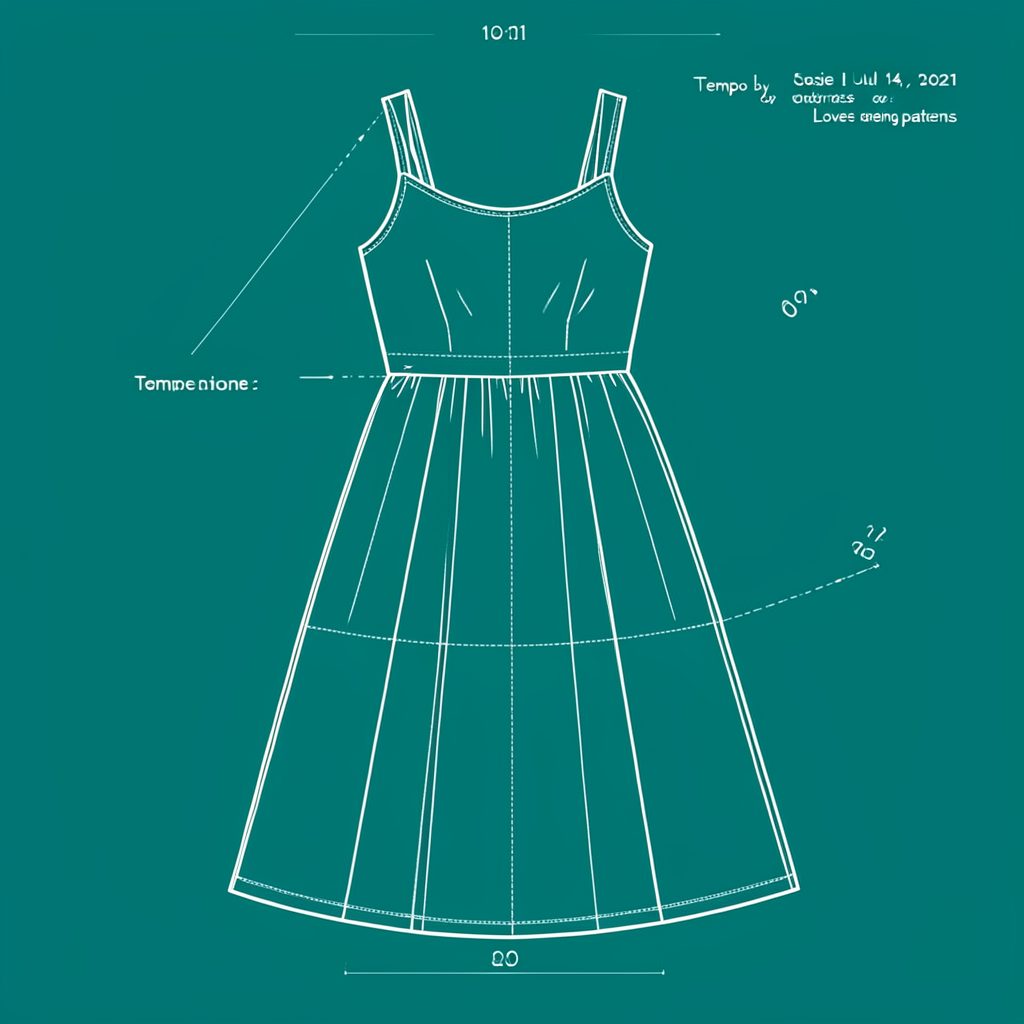
| Tempo Sundress | Love Notions | Sundress | No closures, shirred back panel |
| Arlington Sweater | Love Notions | Sweater | Cold-weather staple |
| Sybil Illusion Skirt | Love Notions | Skirt (knit) | 7 variations, optional pockets |
| Camden Pinafore | Nina Lee Patterns | Pinafore dress | Year-round layering piece |
| Ogden Cami (dress hack) | True Bias | Cami / Dress | Versatile wardrobe builder |
| Burda 6829 | Burda | Dress | Multi-sized, special-occasion |
Stay in Touch
Subscribe to the newsletter for sewing inspiration, pattern tips, and project ideas delivered straight to your inbox.