Tencel lyocell for thoughtful sewing projects
Tencel lyocell is a smooth, breathable fabric with a lovely fluid drape, making it useful for shirts, dresses, wide-leg trousers and relaxed skirts. It sits somewhere between everyday practicality and a slightly luxurious feel, without requiring the care routine of delicate silk.
For Australian sewists, this fibre can be especially appealing. It feels cool in a humid Queensland summer, works beautifully in a Melbourne layering wardrobe and gives lightweight garments enough movement for warm days in Sydney, Perth or Adelaide. The name on the roll, however, deserves a little attention before you buy.
TENCEL™ is a branded form of lyocell made by Lenzing, while “lyocell” is the generic fibre name. Fabric quality still varies according to the weave, weight, finishing and blend. A responsibly produced fibre can be let down by a poor-quality fabric, unnecessary overbuying or a garment that is rarely worn.
The best approach is to consider the complete project: how the cloth was made, how it will behave under a sewing machine, whether the pattern suits its drape and how you will wash it. That turns an appealing sustainable textile into a genuinely useful wardrobe choice.
| Fabric choice | Hand and drape | Suitable projects | Sewing considerations |
|---|---|---|---|
| Lyocell twill | Soft, fluid and slightly structured | Trousers, shirt dresses, jackets | Stable enough for beginners; press carefully |
| Lyocell challis or voile | Light, cool and very drapey | Blouses, gathered dresses, skirts | Use fine needles and tissue paper |
| Cotton poplin | Crisp and breathable | Shirts, pinafores, structured dresses | Easy to cut and sew; less fluid |
| Linen blend | Textured, breathable and relaxed | Tops, trousers, summer dresses | Can fray and crease; pre-wash thoroughly |
| Viscose rayon | Fluid, soft and cool | Slip dresses, blouses, skirts | Often slippery; may shrink or distort |
What lyocell actually is
Lyocell is a regenerated cellulose fibre. Manufacturers dissolve wood pulp in a solvent, extrude it into fibres and recover much of that solvent in a closed-loop process. Eucalyptus is often associated with the fibre, although other managed-forest sources may be used. The raw material and factory standards matter, so “plant-based” should not automatically be treated as a complete sustainability guarantee.
The fibre is biodegradable under suitable conditions, but the finished cloth may contain dyes, elastane, polyester or durable finishes that change its end-of-life profile. Check the fibre content rather than relying on a green-sounding product description. In Australia, online listings can also use “bamboo” and “eco” quite loosely, so reading the technical details is worth the extra minute.
For a home sewist, lyocell’s practical appeal is clear. It absorbs moisture, feels cool against the skin and generally has a graceful fall. Some qualities have a subtle sheen; others resemble washed cotton or soft denim. Run your hand over the cut edge before buying if possible, because the difference between a stable twill and a shifty challis is substantial.
Choosing the right weight and weave
Lightweight lyocell challis is excellent for floaty blouses, camisoles and gathered dresses. It can be semi-sheer, so hold the folded fabric up to daylight and decide whether you need a lining. A soft voile may suit a summer top, while a denser twill is a better match for culottes, boiler suits and utility-inspired garments.
Medium-weight cloth is often the most versatile option for an indie sewing pattern. It can support a collar, waistband or button placket without becoming stiff, and it usually behaves more predictably during cutting. For a pattern such as a relaxed shirt, shirt dress or elastic-waisted trouser, look for words such as “fluid,” “medium drape” and “light to medium weight” in the recommendations.
Consider the Australian climate and your intended season. A dark, mid-weight lyocell dress might be comfortable for a mild winter in Hobart but feel too warm in Darwin. In Brisbane, a loose silhouette and breathable lining will be more useful than a close-fitting design with multiple layers. The right fabric is the one that suits both the pattern and the life you lead.
Preparing and cutting the fabric
Always pre-wash lyocell using the care method you expect to follow later. Many sewists wash it on a gentle cycle, then line-dry it in the shade. Avoid assuming that a cool first wash prevents all future change; some fabrics relax, shrink or alter their surface after repeated laundering. Press the fabric once it is dry, using a moderate temperature and a pressing cloth if the surface looks delicate.
Lyocell can shift while cutting, particularly in lighter weights. Lay it on a large, clean surface, smooth it without stretching and use plenty of pattern weights. A fresh rotary blade or sharp shears will give a cleaner edge. Mark the grainline carefully, because a slightly off-grain panel can twist after washing.
For a slippery quality, place tissue paper beneath the fabric while cutting or stitching, then tear it away gently. Transfer notches with thread tacks or a fine washable marking tool rather than making deep snips. Keep pattern pieces organised, especially when working with a directional print or a cloth whose nap changes the way light reflects.
Sewing techniques for a clean finish
Use a fine universal or microtex needle, depending on the weave, and begin with a new one. A stitch length around 2.5 to 3 mm is a sensible starting point, but test on scraps first. Reduce presser-foot pressure if your machine allows it, and avoid pulling the fabric as it feeds. A walking foot can help with heavier lyocell twill, while a strip of tissue paper can support a lightweight seam.
Seam finishing depends on the fabric. A neat zigzag, overlocker or narrow French seam can control fraying on a blouse or dress. For shirts and workwear-inspired garments, a flat-felled seam gives strength and a polished inside. This flat-felled seam guide is useful when you want to practise the order of folding, trimming and pressing before applying it to a visible project.
Press as you sew, but use a light touch. Lyocell can develop a shiny mark if it is pressed too firmly or at excessive heat. Test the iron on a leftover piece, particularly when the fabric is dark, brushed or slightly lustrous. Let each seam cool flat before moving the garment.
Interfacing, hems and pattern details
Fluid fabric needs thoughtful support around collars, cuffs, waistbands and button bands. A very firm interfacing can make lyocell look stiff and disconnected from the rest of the garment, while too little support may leave a collar floppy. Match the interfacing weight to the fabric and test a scrap sandwich before cutting the final pieces.
The advice in choosing collar interfacing can help when a pattern includes a collar or collar stand. Fuse carefully with a pressing cloth, using the dwell time recommended by the interfacing manufacturer. Always check that the fabric can tolerate steam and heat before applying adhesive.
Hems need to suit the cloth’s movement. A narrow double-fold hem works well on many skirts and dresses, while a baby hem is neat on lightweight challis. Let a full skirt hang for a day before levelling the hem, since bias sections may drop. For trousers, make a wearable toile or baste the hem first; fluid fabric can make the finished length appear different from the paper pattern.
Caring for a longer-lasting garment
Wash handmade lyocell garments only as often as necessary. Airing a blouse, spot-cleaning a mark and wearing a camisole underneath can reduce laundering. When washing is needed, use a mild detergent and a gentle cycle, then reshape the garment while damp. Line-drying in shade helps protect colour and fibre strength, especially under the strong Australian sun.
Avoid leaving wet lyocell crumpled in the machine. The fabric may crease deeply, and some garments can lose their smooth appearance if they are dried aggressively. Tumble-drying is best reserved for care labels that specifically allow it. Store dresses and blouses on shaped hangers, but fold heavier trousers or knit-like lyocell pieces to prevent stretching.
Sustainability also comes from making garments that earn their place in your wardrobe. A well-chosen lyocell shirt worn through sticky summer days in Cairns, or a pair of soft trousers used for commuting in Melbourne, has more value than fabric bought solely because its marketing sounds responsible. Buy enough for the pattern, save usable scraps for pockets or bindings and mend small problems before they become reasons to discard the garment.
A thoughtful Tencel lyocell project combines fibre knowledge with good preparation, suitable construction and realistic care. Choose the weight for the pattern, test every unfamiliar fabric behaviour and let the finished garment fit the climate and habits of the person wearing it.
Popular Pattern Reviews
| Pattern | Designer | Type | Highlight |
|---|---|---|---|
| Compose Robe (Kids) | Love Notions | Robe / Loungewear | Sizes 2T–16, cosy & practical |
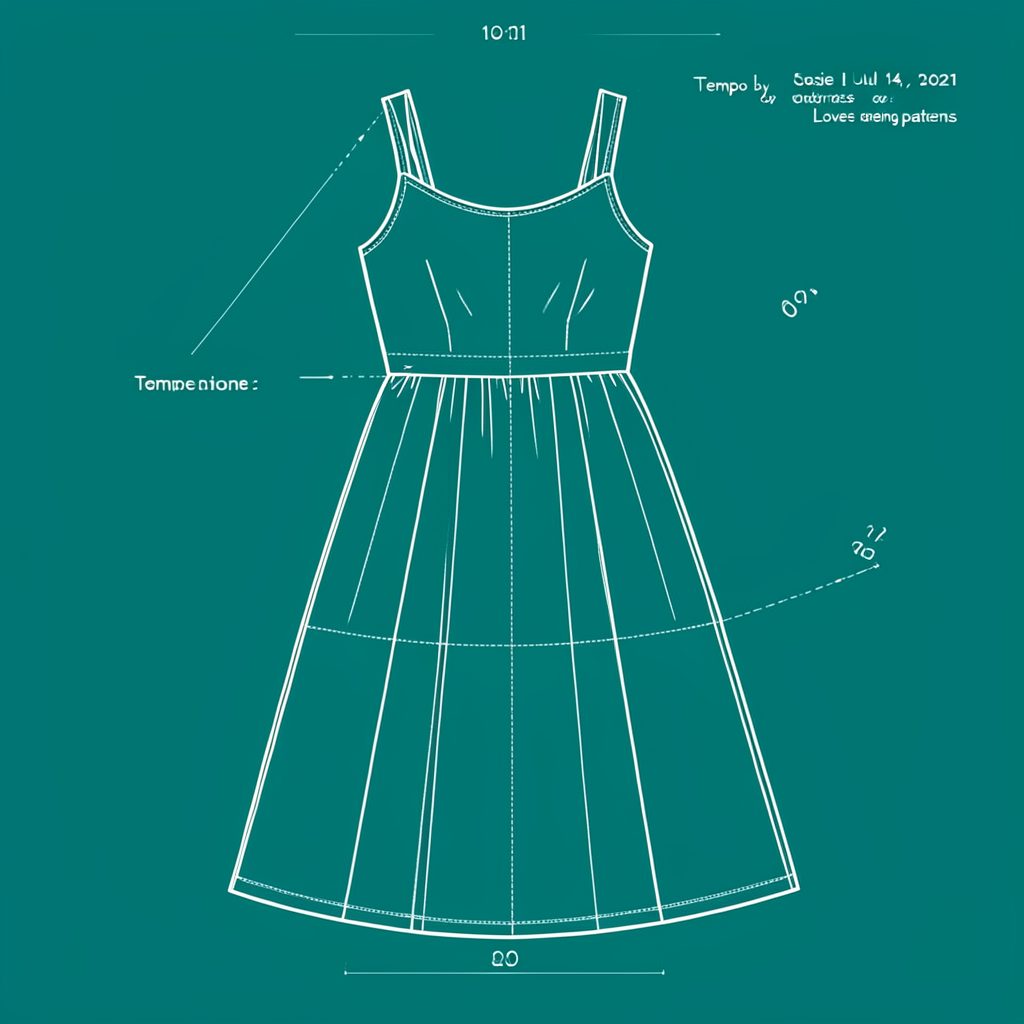
| Tempo Sundress | Love Notions | Sundress | No closures, shirred back panel |
| Arlington Sweater | Love Notions | Sweater | Cold-weather staple |
| Sybil Illusion Skirt | Love Notions | Skirt (knit) | 7 variations, optional pockets |
| Camden Pinafore | Nina Lee Patterns | Pinafore dress | Year-round layering piece |
| Ogden Cami (dress hack) | True Bias | Cami / Dress | Versatile wardrobe builder |
| Burda 6829 | Burda | Dress | Multi-sized, special-occasion |
Stay in Touch
Subscribe to the newsletter for sewing inspiration, pattern tips, and project ideas delivered straight to your inbox.