Bamboo Rayon For Drapey Garments
Bamboo rayon is a soft, fluid fabric with the kind of movement that makes simple sewing patterns feel elegant. It falls away from the body rather than standing out from it, making it a natural choice for relaxed dresses, wide-leg trousers, camisoles, skirts, and loose tops.
The fabric is often marketed as a sustainable alternative to cotton or polyester, but its environmental story is more complicated. Bamboo is the raw plant material; the finished cloth is usually rayon or viscose, made by dissolving cellulose and regenerating it into fibres. That does not make it a poor sewing choice, but it is worth checking how a supplier describes its production and sourcing.
For home sewing, the main appeal is its combination of softness, breathability, and fluid drape. It can be wonderfully comfortable to wear, although its slippery surface and tendency to shift during cutting call for a little extra preparation.
Why Bamboo Rayon Works For Fluid Styles
The most noticeable quality of bamboo rayon is its drape. Hold a piece by one corner and it will drop into soft folds, with plenty of movement as you walk. This makes it especially suitable for garments designed with gathers, cowl necklines, waterfall fronts, or loose sleeves.
It also has a smooth hand and a cool feel against the skin. In warm weather, a bamboo rayon blouse or dress can feel lighter and less restrictive than a garment made from a crisp woven fabric. The fabric generally has excellent recovery from gentle movement, although it should not be confused with bamboo rayon jersey, which includes stretch and behaves differently during construction.
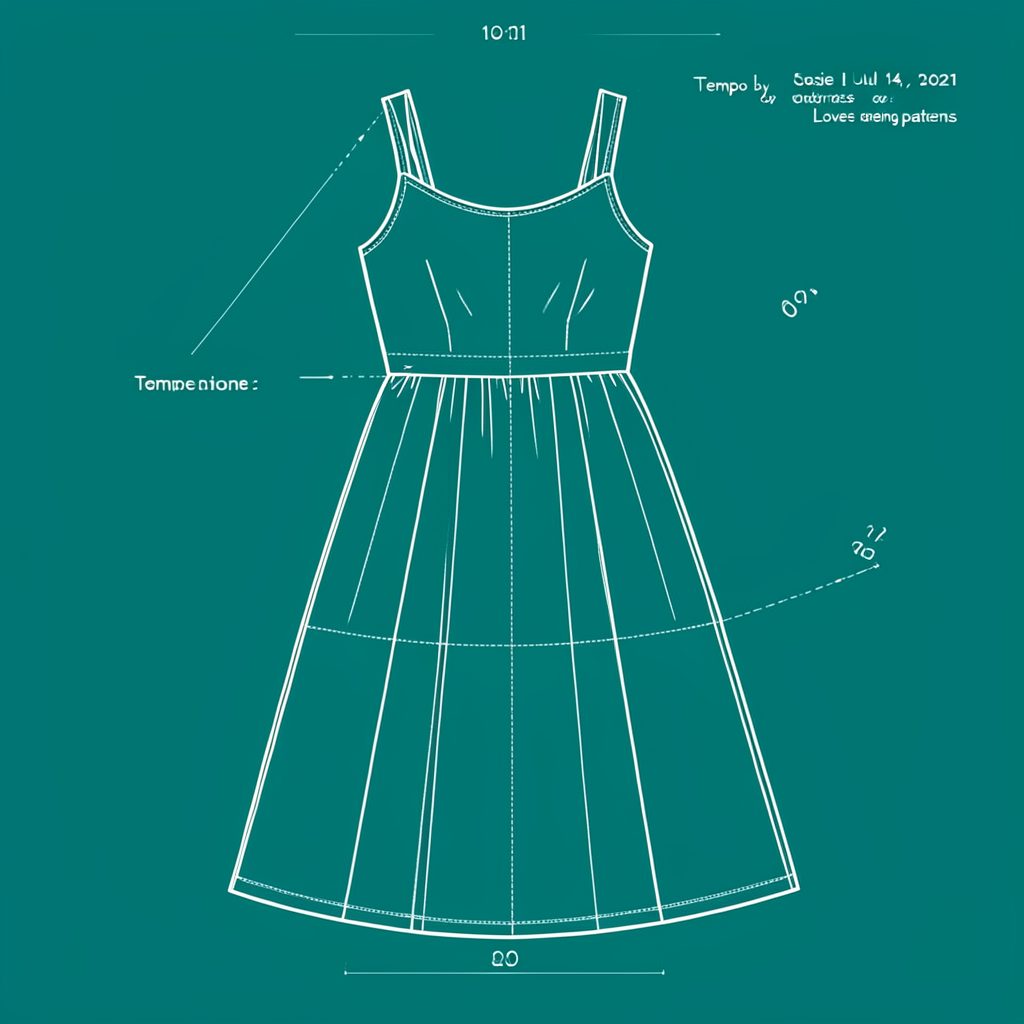
The fluidity can soften the shape of a pattern that looks more structured in the line drawing. A darted bodice may appear more relaxed, while a gathered skirt can become beautifully swishy. Before cutting, consider whether the design depends on body or structure; bamboo rayon is unlikely to support a sharply tailored silhouette without interfacing or a more stable lining.
Selecting The Right Cloth
Bamboo rayon comes in several weights, and this makes a significant difference to the finished garment. Lightweight qualities suit camisoles, linings, loose tops, and summer dresses, while a medium-weight version is more useful for trousers, wrap dresses, and fuller skirts. Very lightweight fabric may be semi-sheer, particularly in pale colours.
Look for an even surface without thin patches, pulled threads, or excessive shine. Some fabrics sold as bamboo rayon are blends, such as bamboo-cotton, bamboo-linen, or bamboo-polyester. Blending can improve stability, opacity, or crease resistance, so read the fibre content carefully rather than relying on the word “bamboo” alone.
Order a generous sample whenever possible. Scrunch it in your hand, hold it up to a light source, and check how it responds after washing. A fabric that feels substantial on the roll can become noticeably softer and more fluid once laundered.
Comparing Similar Drapey Fabrics
Bamboo rayon is one option among several fabrics used for garments with movement. Viscose rayon, Tencel, silk, and lightweight cotton voile can all produce attractive results, but they differ in stability, cost, shine, and care requirements.
The best choice depends on the pattern and the kind of everyday use you expect. A fabric for a frequently worn dress may need easier laundering than one selected for a special occasion blouse.
| Fabric | Drape | Sewing Stability | Breathability | Typical Uses |
|---|---|---|---|---|
| Bamboo rayon | Very fluid and soft | Low to moderate | Good | Dresses, tops, skirts |
| Viscose rayon | Fluid with a soft fall | Low to moderate | Good | Blouses, dresses, trousers |
| Tencel lyocell | Fluid but often slightly weightier | Moderate | Good | Shirts, trousers, dresses |
| Silk crepe | Fluid with a luxurious surface | Low | Good | Occasion tops, dresses |
| Cotton voile | Soft but lighter and less clingy | Moderate | Very good | Blouses, gathered dresses |
This comparison is a starting point rather than a strict rule. The weave, weight, finish, and fibre blend can alter the behaviour considerably. Two fabrics with the same fibre content may need completely different handling at the cutting table.
Preparing And Cutting Bamboo Rayon
Prewash bamboo rayon before cutting, using the same method you plan to use for the finished garment. Rayon can shrink, and the amount may vary between suppliers. A gentle wash and air drying are generally safer than a hot cycle or tumble dryer, which can encourage distortion or excessive shrinkage.
The fabric may twist or hang unevenly after washing. Press it lightly while it is still a little damp, then leave it to dry flat or on a wide hanger, depending on its weight. Do not stretch it while pressing, because that can create a permanently skewed grainline.
Cutting is easier when the fabric is supported across a large, flat surface. Use a rotary cutter and pattern weights if you have them, rather than lifting the fabric repeatedly to pin around a pattern piece. If you prefer scissors, place plenty of fine pins within the seam allowance and check the grainline at several points.
A single layer layout may be more accurate than cutting on the fold. It takes longer, but it reduces shifting and helps you spot directional changes in the print or nap. Transfer notches with thread tacks or very small snips, keeping marks away from the visible garment.
Sewing Techniques For A Clean Finish
A fresh, fine needle is essential. A size 60/8 or 70/10 microtex or universal needle often works well, although the ideal choice depends on the specific weave. Test on a scrap first, checking for snagging, skipped stitches, or visible holes.
Use a shorter stitch length for delicate fabric, but avoid making the stitch so small that the seam becomes difficult to unpick. A narrow French seam can be attractive on lightweight bamboo rayon, particularly in unlined tops and dresses. For heavier cloth or curved seams, a neat overlocked or zigzagged finish may be more practical.
Staystitch areas that can stretch, such as necklines and armholes, soon after cutting. Stabilising shoulder seams with clear elastic, lightweight stay tape, or a narrow strip of fusible interfacing can prevent the garment from growing during construction.
When easing a sleeve or attaching a waistband, use two rows of long basting stitches rather than pulling one thread aggressively. Keep the fabric supported as it passes through the machine, and reduce presser-foot pressure if your machine allows it. A walking foot can help with some slippery weaves, though it is worth testing before committing to the whole project.
Pattern Ideas For A Soft Silhouette
Bamboo rayon is particularly rewarding when paired with a pattern that allows the fabric to move. A relaxed camisole, gathered midi dress, or wide-leg trouser can showcase its fluidity without requiring complicated design details. For a coordinated warm-weather outfit, the Saguaro Set review offers useful inspiration for considering how fabric choice affects a loose two-piece silhouette.
Love Notions patterns are also a helpful source of approachable garment ideas. A flowing dress with a defined waist, such as the Stella Dress review, can work well in a medium-weight bamboo rayon, particularly when the design includes gathers or a gently flared skirt. Check the recommended fabric list and compare it with the actual weight of your chosen cloth.
Make a toile when the pattern includes close-fitting areas, unusual cup sizing, or a complicated neckline. A toile in cotton lawn may not predict the final drape, but it can confirm the basic fit and help you decide whether to alter the length, waist position, or amount of ease before cutting the bamboo rayon.
Keep records of the fabric composition, supplier, prewash method, and alterations. My disclosure information explains the relationship behind any products or links mentioned, while a few notes in your own project journal will make future fabric shopping much easier.
Caring For The Finished Garment
Bamboo rayon usually benefits from gentle handling. Wash it at a low temperature with a mild detergent, avoid harsh agitation, and reshape the garment while damp. If the care label permits machine washing, a mesh laundry bag can reduce friction and help prevent stretching.
Drying flat is often the safest option for lightweight pieces. A wet rayon dress can become heavy, so hanging it immediately from a narrow hanger may distort the shoulders. Once dry, press it on the reverse side using a low to medium setting and a pressing cloth if needed.
For reliable results with your next project:
- Prewash a generous sample and measure it before and after laundering.
- Choose medium-weight bamboo rayon for trousers, wrap dresses, and fuller skirts.
- Cut in a single layer with weights to control shifting and grainline accuracy.
- Use a fine needle, fresh thread, and a small test seam before sewing the garment.
- Store finished pieces folded if the fabric is lightweight or prone to stretching.
A well-chosen bamboo rayon can turn a straightforward pattern into a garment with beautiful movement and everyday comfort. Browse fabric samples, test the washing method, and take your time with cutting before starting a drapey project for your handmade wardrobe.
Popular Pattern Reviews
| Pattern | Designer | Type | Highlight |
|---|---|---|---|
| Compose Robe (Kids) | Love Notions | Robe / Loungewear | Sizes 2T–16, cosy & practical |
| Tempo Sundress | Love Notions | Sundress | No closures, shirred back panel |
| Arlington Sweater | Love Notions | Sweater | Cold-weather staple |
| Sybil Illusion Skirt | Love Notions | Skirt (knit) | 7 variations, optional pockets |
| Camden Pinafore | Nina Lee Patterns | Pinafore dress | Year-round layering piece |
| Ogden Cami (dress hack) | True Bias | Cami / Dress | Versatile wardrobe builder |
| Burda 6829 | Burda | Dress | Multi-sized, special-occasion |
Stay in Touch
Subscribe to the newsletter for sewing inspiration, pattern tips, and project ideas delivered straight to your inbox.