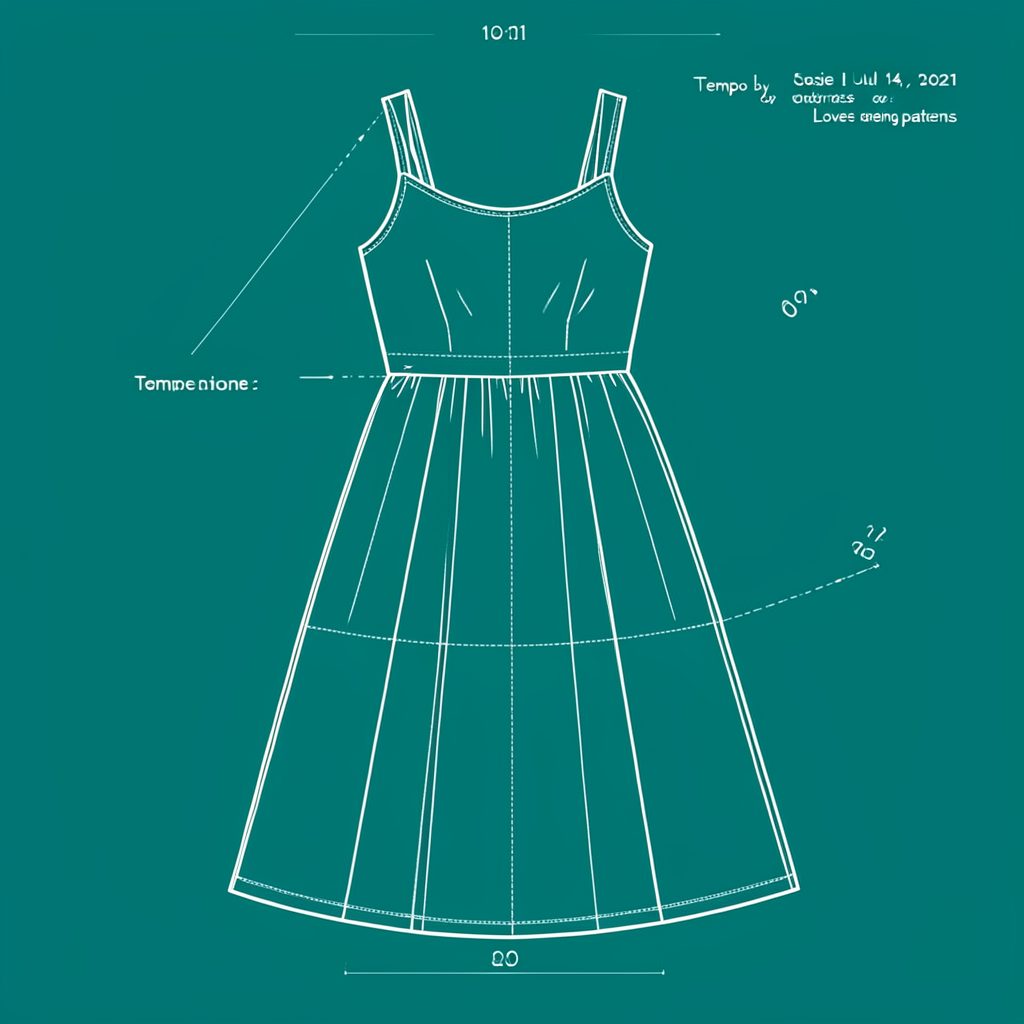
Linen cotton blend for easy tops and dresses
A linen cotton blend is one of those fabrics that earns its place in a handmade wardrobe. It combines the relaxed texture and breathability of linen with some of cotton’s softness, stability and everyday practicality. For Australian sewing, where warm weather can arrive early and summer days can be intensely hot, that balance is especially useful.
This fabric spotlight, linen cotton blend for tops and dresses, looks at how the cloth behaves before cutting, which patterns suit it, and how to get the best finish. The exact fibre ratio can vary, but common versions contain roughly equal amounts of linen and cotton, with some ranges leaning more heavily towards one fibre.
The surface may be smooth, slubby, crisp or softly brushed. It might be woven as a lightweight plain cloth for a blouse, or as a heavier fabric with enough body for a shirt dress. Checking the fabric width, weight and drape is more helpful than relying on the fibre label alone.
For Australian sewists, linen cotton is easy to find through local fabric shops, online retailers and market stalls, while larger stores such as Spotlight often carry seasonal colour ranges. A fabric that feels perfect in a Melbourne winter shop may behave very differently during a humid Brisbane summer, so a little preparation pays off.
How the blend behaves under the needle
Linen cotton usually presses beautifully and responds well to steam. The linen content gives it a lightly rumpled character, while cotton helps the fabric hold a seam and makes it less delicate than pure linen. It generally feeds smoothly beneath the presser foot, although very lightweight versions can shift when cut or stitched.
Expect some fraying, particularly along curved seams, clipped edges and pockets. A neat seam finish will protect the garment and make it more pleasant to wear. An overlocker is convenient, but a zigzag stitch, three-step zigzag or clean-finished seam works well too. French seams are especially attractive in a lightweight top.
The fabric often softens after washing, and the first wash may reveal a little shrinkage. Pre-wash it in the same way you intend to launder the finished garment. For many casual clothes, that means a gentle machine wash and line drying, followed by pressing while the cloth is still slightly damp.
Choosing a suitable pattern
Simple shapes allow the texture of linen cotton to do the visual work. Boxy tops, relaxed button-front shirts, gathered dresses, tiered skirts and softly structured shirt dresses are reliable choices. The blend has enough body for gathers without becoming excessively bulky, especially when the fabric is medium weight.
For a beginner-friendly project, look for patterns with uncomplicated construction and moderate ease. A sleeveless shell, elastic-waisted dress or loose woven tee can be finished without wrestling with difficult fitting details. Love Notions patterns and other independent designers often provide clear options for woven fabrics, but always compare the pattern’s recommended fabric weight with your actual cloth.
A close-fitting bodice may need extra attention. Linen cotton has limited recovery unless elastane has been added, so it cannot replace stretch fabric in a pattern drafted for jersey. If the design includes darts, a shaped waist or a fitted bust, make a toile or at least measure the finished garment carefully before cutting.
When a dress has a fitted bodice and a skirt with gathers, the blend’s stability becomes an advantage. It supports the waist seam and keeps the skirt from collapsing, while its natural texture stops the garment from looking overly formal. For extra comfort, consider a partial lining or a smooth cotton voile facing.
Matching weight, drape and design
Fabric weight should guide the pattern choice. Lightweight linen cotton is ideal for floaty blouses and hot-weather dresses, while medium-weight cloth suits structured shirts, pinafore dresses and casual jackets. A heavy blend can be beautiful for a winter overshirt but may feel too warm for a gathered summer dress.
| Fabric character | Well-suited garments | Sewing considerations |
|---|---|---|
| Lightweight and softly draping | Camisoles, blouses, gathered dresses | Stabilise shoulder seams and finish fraying edges |
| Medium weight with gentle body | Button shirts, shirt dresses, elastic-waisted dresses | Press carefully and consider topstitching |
| Crisp and firm | Boxy tops, pinafores, structured skirts | Reduce bulk at seams and test buttonholes |
| Open weave or loosely woven | Relaxed tops and beach layers | Use a fine needle and avoid excessive handling |
| Heavier, dense weave | Overshirts and transitional dresses | Check comfort, opacity and pattern ease |
Hold the fabric up to a window before buying enough for a dress. Some lighter blends are more transparent than expected, especially in white, cream and pale pastels. A slip, lining or underdress may be needed, and the extra layer can make the garment more comfortable against the skin.
Colour is another practical consideration. Natural flax shades, terracotta, eucalyptus green and faded blue suit the fabric’s casual character and fit easily into a warm-weather wardrobe. In Australia, these tones work from coastal weekends in Sydney to cooler spring days in Adelaide, while brighter shades can bring energy to a simple silhouette.
Preparing the cloth before cutting
Pre-washing does more than prevent surprises at the hem. It reveals the final texture, softens stiffness and shows how much the fabric creases. Measure a marked section before and after washing if the project uses a particularly expensive cut. Linen cotton can shrink unevenly if it is washed aggressively or left twisted in a crowded machine.
Dry the fabric flat or on a line, depending on the care instructions, and press it before laying out the pattern. Australian sunlight is useful for drying, but strong direct sun can fade rich colours over time. Turning the cloth inside out and avoiding prolonged exposure helps preserve dyed fabrics.
Pay attention to the grain. Linen blends may have subtle slubs or irregular threads, and these are part of their charm rather than a flaw. Still, the cross-grain can be visibly different from the lengthwise grain. Use the selvedge as a guide and check that stripes, checks or directional motifs run consistently.
For guidance on a more involved bodice finish, this tutorial on sewing a lining can help when a simple facing will not provide enough coverage or structure.
Construction details that make a difference
Use a universal or sharp microtex needle in a suitable size, usually 70/10 or 80/12 for lightweight to medium cloth. Test the stitch length on a scrap first. A slightly longer straight stitch can look balanced on linen cotton, while very short stitches may create a perforated line in loosely woven fabric.
Stay-stitch necklines and armholes soon after cutting, especially on a dress with a bias edge. Stabilise shoulder seams with lightweight fusible tape or a narrow strip of cotton selvage. These small steps prevent stretching while the garment is being handled and help the finished neckline retain its shape.
Topstitching suits the fabric, particularly around collars, cuffs, plackets and patch pockets. Press each seam before topstitching so the line follows a flat edge rather than fighting a ridge of fabric. If the cloth is crisp, a slightly longer stitch gives a polished ready-to-wear appearance.
Buttonholes deserve a test. Slubby or loosely woven linen cotton may need lightweight interfacing behind the placket, and a small scrap of tear-away stabiliser can support the stitching while it is made. Remove the stabiliser gently after cutting the opening.
Wearing and caring for the finished garment
Linen cotton tops and dresses are comfortable because the fibres allow air movement and absorb moisture. They are a good choice for warm Australian wardrobes, including practical sightseeing clothes for Perth, loose layers for a Queensland summer or an easy dress for a weekend farmers’ market. The natural creasing is part of the look, so the garment does not need to remain perfectly pressed.
Wash handmade pieces according to the most delicate fibre and the sewn details. Cool or warm water, a mild detergent and a gentle cycle are usually kinder than hot washing. Avoid overloading the machine, since linen blends crease more deeply when packed tightly.
Line drying saves energy and is common in Australian households, but remove the garment while it is slightly damp if you want a smoother finish. A warm iron on the wrong side will restore the shape without flattening the surface completely. For a relaxed wardrobe, simply shake the garment out, smooth the seams by hand and let the remaining wrinkles settle naturally.
Store dresses on padded hangers or fold lightweight tops loosely. Keep strong sunlight away from saturated colours, and repair small pulls or loose hems early. With sensible care, linen cotton becomes softer and more comfortable over time while retaining the practical structure that made it appealing at the cutting table.
A well-chosen blend also rewards thoughtful shopping. Order a swatch where possible, compare the cloth with the pattern envelope, and allow extra yardage if the print has a repeat or the fabric has a pronounced nap-like direction. Readers who enjoy fabric notes, sewing experiments and new project ideas can sign up for Josie’s email updates to follow future makes.
Popular Pattern Reviews
| Pattern | Designer | Type | Highlight |
|---|---|---|---|
| Compose Robe (Kids) | Love Notions | Robe / Loungewear | Sizes 2T–16, cosy & practical |
| Tempo Sundress | Love Notions | Sundress | No closures, shirred back panel |
| Arlington Sweater | Love Notions | Sweater | Cold-weather staple |
| Sybil Illusion Skirt | Love Notions | Skirt (knit) | 7 variations, optional pockets |
| Camden Pinafore | Nina Lee Patterns | Pinafore dress | Year-round layering piece |
| Ogden Cami (dress hack) | True Bias | Cami / Dress | Versatile wardrobe builder |
| Burda 6829 | Burda | Dress | Multi-sized, special-occasion |
Stay in Touch
Subscribe to the newsletter for sewing inspiration, pattern tips, and project ideas delivered straight to your inbox.