Printed viscose for flowy blouses: a complete sewing guide
There's something quietly lovely about a well-made blouse in printed viscose. The fabric falls in soft folds, catches the breeze, and feels featherlight against the skin on a warm afternoon. For sewists who love garments with movement and drape, this material has earned its place as a wardrobe staple. Viscose, sometimes labelled as rayon, behaves quite differently from cotton lawn or linen, which is exactly why so many indie pattern designers recommend it for flowing silhouettes.
Across Australia, where summer temperatures regularly push past thirty degrees in cities like Brisbane, Adelaide, and Perth, breathable fabrics aren't a luxury but a necessity. A viscose blouse can be the difference between sweltering through a workday and staying composed. In this fabric spotlight, I'll walk through what makes printed viscose special, where to source it locally, how to handle it on the cutting table, and which indie patterns pair beautifully with it.
Why printed viscose suits flowy designs
Viscose is a semi-synthetic fibre made from regenerated cellulose, most commonly wood pulp. That origin gives it a silk-like drape and a subtle sheen that mass-produced polyester struggles to imitate. When a printed design is applied, the colours sink into the fibres and appear softer and more saturated than surface prints on cotton. This depth is particularly noticeable in botanical, abstract, and painterly motifs, which is why so many small-batch designers release their statement prints on viscose bases.
For Australian sewists, the breathability of viscose is the real selling point. The fibres absorb moisture and release it efficiently, which mimics the comfort of cotton but with a much more elegant fall. A loose-fitting blouse in viscose feels cool in a Melbourne tram carriage or a Sydney coastal cafe, and it doesn't cling the way some knits do. It also photographs beautifully in natural light, which has made it a favourite for handmade holiday wardrobes heading to Noosa or Byron Bay.
Print scale is another consideration worth mentioning. Small repeats work wonderfully for fitted bodices with gathers, while larger-scale florals or art-inspired designs look dramatic when they can spread across a peplum or a wide hem. If you're new to printed fabrics, viscose is a forgiving place to begin because the drape disguises small fitting adjustments.
Sourcing printed viscose in Australia
Australia's fabric retail landscape has grown significantly in the past decade. Spotlight remains the high-street option with stores in most capital cities, and their viscose offerings have expanded to include exclusive printed ranges. For a more curated experience, The Fabric Store has locations in Sydney, Melbourne, and Brisbane, plus a strong online presence. Online-only retailers such as Tessuti, Darn Cheap Fabrics, and Cloth Edit also ship nationwide, often with detailed close-ups and fibre content listed.
When shopping online, pay close attention to the fibre content and the weight. True viscose should list 100% viscose or a high percentage with a small amount of elastane for stretch. Avoid fabrics labelled "polyester georgette" or "challis effect" if you want the genuine cool feel. Reading recent customer reviews can help you judge whether a print runs smaller or larger than expected, and whether the fabric is more opaque than the listing photo suggests.
For those mindful of sustainability, several Australian-based stores now stock Lenzing-certified viscose, which uses responsibly sourced wood pulp. The price sits slightly higher than standard viscose, but the environmental footprint is noticeably lower. Checking the country of origin on the listing can also help you support mills in countries with strong labour protections.
Pre-washing, cutting, and sewing
Viscose is notorious for shifting on the cutting table, and Australian humidity can make it even more lively. A gentle pre-wash in cool water with a mild detergent is essential, and the fabric should be pressed while slightly damp to relax any creases. Some sewists prefer to hang their fabric over a shower rail overnight to let gravity ease out distortion before cutting.
Cutting tricks matter here. A fresh blade on your rotary cutter reduces drag, and pattern weights are far more reliable than pins when the fabric wants to skate away. If you prefer scissors, lay the fabric on a cotton sheet or non-slip mat. Cutting single ply is often easier than folding the fabric, because viscose tends to slip during folding and creates mismatched panels.
During construction, use a fresh, fine universal needle (size 70/10 is ideal) and a slightly longer stitch length. The fabric has very little memory, so pressing seams after every step gives the cleanest finish. A walking foot can be a lifesaver if your machine tends to feed the lower layer faster than the top.
Pairing with indie sewing patterns
Printed viscose pairs naturally with relaxed blouse patterns that showcase drape. Love Notions offers several patterns that work beautifully with this substrate, including the Solace Tank, the Crossover Top, and the Skyline Tank. The Crossover Top in particular has wide front panels that show off a large-scale print, and the soft gathers don't disrupt the pattern repeat. If you're a confident beginner, this is a rewarding project.
Beyond Love Notions, other indie designers like Friday Pattern Company, Sew To Grow, and Seamwork also have viscose-friendly releases. Look for patterns labelled "recommended for drapey fabrics" or "rayon," which usually indicates a looser fit and minimal closures. Buttons and zippers behave predictably in viscose, but plackets are easier to manage when the fabric is well-pressed and starched lightly.
For those who enjoy layering, viscose works beautifully as a lining inside a lightweight linen jacket or as a bias-cut cami worn under a knit. If you're curious about extending your handmade wardrobe into accessories, I recently wrote about reusable wrapping cloths using offcuts from viscose blouses, and the soft drape made them ideal for gifting.
Caring for viscose in the Aussie climate
Viscose requires a gentler care routine than cotton, and following the Australian Consumer Law's care labelling standards helps you stay compliant with garment warranties if you sell your makes. Most viscose blouses should be hand-washed in cool water and laid flat to dry, away from direct sunlight that can fade the print over time. If you machine wash, use a mesh bag and a delicate cycle with similar colours.
Steam is the best friend of a wrinkled viscose blouse. A handheld steamer refreshes the fabric in seconds, which is ideal for humid coastal mornings when ironing boards feel like too much effort. Store blouses on padded hangers to maintain shoulder shape, and avoid plastic dry cleaner bags, which can trap moisture and cause yellowing.
Sun protection is worth thinking about, too. Many viscose prints offer moderate UV coverage, but layering a viscose cami under a light linen shirt gives you a more reliable shield during long summer days. The combination feels effortless and keeps you cool without sacrificing style.
| Fabric type | Drape | Breathability | Best for | Care level |
|---|---|---|---|---|
| 100% viscose (rayon) | Excellent, fluid | High | Flowy blouses, dresses, lining | Moderate |
| Viscose/linen blend | Soft with texture | High | Casual shirts, summer trousers | Easy |
| Cotton lawn | Crisp, structured | High | Fitted shirts, gathered skirts | Easy |
| Polyester georgette | Slippery, synthetic feel | Low | Occasion wear, linings | Easy |
| Silk crepe | Luxurious, heavy drape | Moderate | Dressy blouses, scarves | High |
Friendly recommendations before you cut
- Pre-wash every metre of viscose, even if you bought it locally, to remove any factory sizing and allow for shrinkage.
- Cut single ply whenever possible, and use pattern weights rather than pins.
- Match your pattern choice to the print scale, choosing larger motifs for simple silhouettes and smaller repeats for detailed seaming.
- Use a fresh 70/10 needle and a 2.5 mm stitch length to avoid puckering on lightweight cloth.
- Press seams as you go, using a pressing cloth to protect the print's surface sheen.
- Finish internal seams with French seams or a serged edge to reduce fraying in humid weather.
- Review the privacy policy before collecting customer details if you sell finished makes online.
Popular Pattern Reviews
| Pattern | Designer | Type | Highlight |
|---|---|---|---|
| Compose Robe (Kids) | Love Notions | Robe / Loungewear | Sizes 2T–16, cosy & practical |
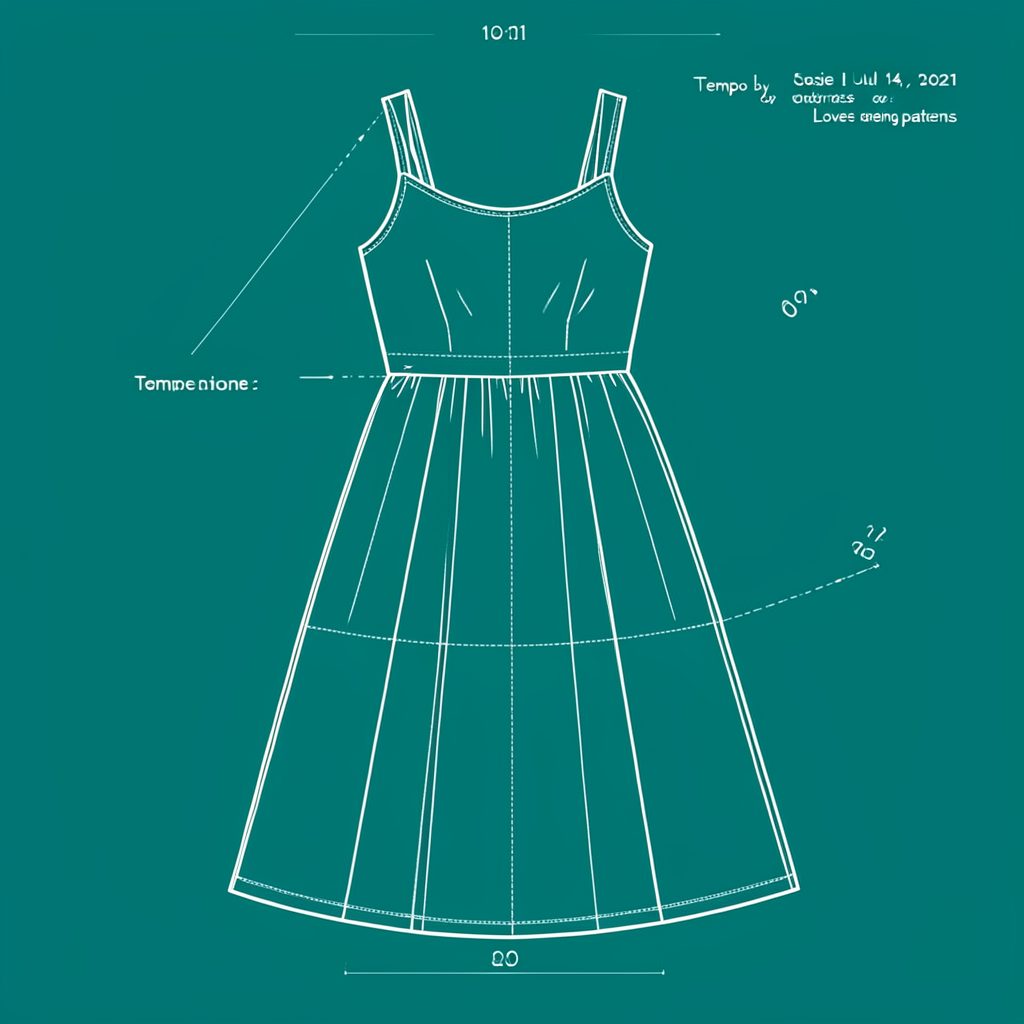
| Tempo Sundress | Love Notions | Sundress | No closures, shirred back panel |
| Arlington Sweater | Love Notions | Sweater | Cold-weather staple |
| Sybil Illusion Skirt | Love Notions | Skirt (knit) | 7 variations, optional pockets |
| Camden Pinafore | Nina Lee Patterns | Pinafore dress | Year-round layering piece |
| Ogden Cami (dress hack) | True Bias | Cami / Dress | Versatile wardrobe builder |
| Burda 6829 | Burda | Dress | Multi-sized, special-occasion |
Stay in Touch
Subscribe to the newsletter for sewing inspiration, pattern tips, and project ideas delivered straight to your inbox.