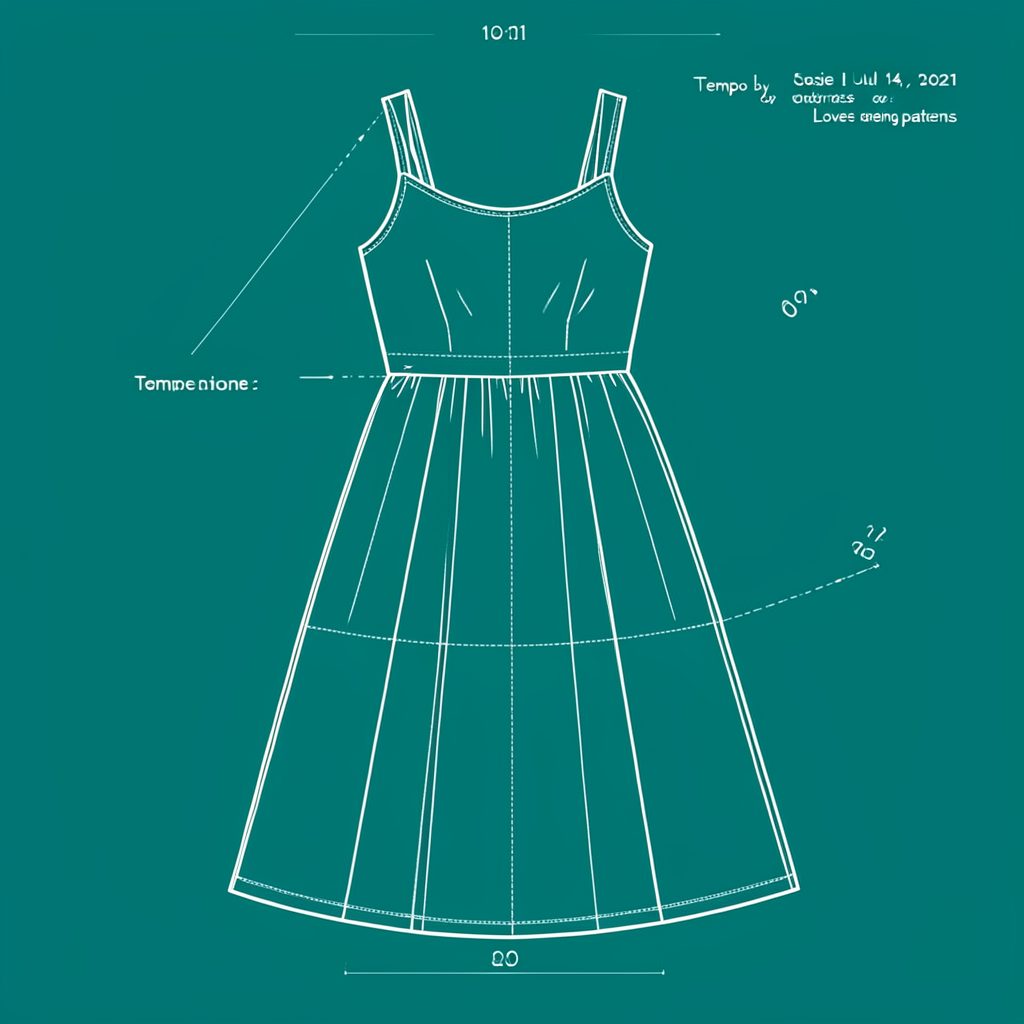
Seersucker for Light, Breezy Summer Sewing
Seersucker is one of those fabrics that feels purpose-made for hot-weather wardrobes. Its puckered surface keeps much of the cloth away from the skin, allowing air to move through a garment while reducing the need for constant ironing. That makes it especially appealing for relaxed dresses, shirts, shorts and easy pull-on trousers.
For Australian sewists, the fabric suits everything from humid Brisbane afternoons to dry heat in Adelaide and coastal days in Sydney. It can also be a practical choice for travelling between climates, provided the pattern and fibre content are matched carefully to the project.
The classic version is usually cotton woven with alternating taut and slack threads, creating its familiar ridged texture. Modern seersucker may include cotton blends, stripes, checks, gingham or subtle crinkles, so a fabric’s content and recovery matter just as much as its appearance.
| Fabric | Summer Comfort | Ease Of Sewing | Best Uses | Main Watch-Out |
|---|---|---|---|---|
| Cotton seersucker | Cool, airy and lightly textured | Beginner-friendly | Dresses, tops, shorts and skirts | Can fray and may shrink |
| Linen | Breathable with a crisp hand | Moderate | Shirts, wide-leg trousers and dresses | Creases readily |
| Cotton lawn | Very light and smooth | Easy, though sometimes slippery | Blouses, gathered skirts and linings | Can be too sheer |
| Double gauze | Soft, breathable and relaxed | Moderate | Tops, baby clothes and loose dresses | Layers can shift |
| Rayon challis | Cool with elegant drape | More demanding | Draped dresses and skirts | Stretch and distortion during cutting |
Why Seersucker Works In Warm Weather
The raised stripes or checks create tiny air channels between your body and the fabric. This does not make seersucker magically cool, but it can feel less clingy than a flat cotton weave when temperatures rise. In humid places such as Cairns or Brisbane, that small difference can make a loose shirt or sundress much more comfortable.
Its texture also disguises minor wrinkles. A seersucker garment can come out of a suitcase looking presentable without the crisp pressing routine required by linen. That is useful for beach holidays, camping trips and everyday wardrobes where a garment needs to be washed, dried and worn again quickly.
Cotton seersucker is usually breathable and washable, but check the label before assuming every version behaves alike. Polyester blends may dry quickly, while a rayon or elastane blend can drape differently and need gentler handling. If you are buying from an Australian independent fabric shop or a large chain such as Spotlight, read the fibre details and order a sample when possible.
For general site information, including how personal data is handled, you can read the privacy policy before signing up or submitting project-related details.
Choosing The Right Weight And Pattern
A lightweight seersucker is lovely for gathered tops, tiered dresses and loose blouses, but it may become transparent in pale colours. Hold a fabric sample up to daylight, especially if you are planning a white, cream or pastel garment. A separate slip, partial lining or a slightly longer underlayer may be more practical than lining the entire dress and losing the fabric’s airy quality.
Medium-weight cloth is a dependable choice for shorts, elastic-waisted trousers, pinafore dresses and simple jackets. It has enough body to support pockets and waistbands without feeling heavy. Very crisp seersucker can suit structured shapes, while a softer version is better for patterns with gathers, pleats or a gently rounded silhouette.
Print direction deserves attention. Stripes can run vertically, horizontally or diagonally depending on the pattern layout, and checks need matching at side seams if a neat finish matters to you. Buy extra fabric for pattern matching, large motifs, belt loops and directional cutting. A fabric that looks random on the bolt may reveal a very obvious repeat once made into a garment.
A loose fit is usually the safest starting point because the texture already adds a little visual volume. Patterns with ease through the bust, waist and hip allow air to circulate. A close-fitting bodice can still work, but choose a stable cloth and make a toile first rather than relying on seersucker to forgive a restrictive fit.
Sewing Techniques That Keep It Easy
Before cutting, prewash the fabric in the same way you expect to launder the finished garment. Cotton seersucker can shrink, and the puckering may become more pronounced after washing. Dry it according to the care instructions, then press only as much as needed. Flattening the texture with a hot iron can change the character of the cloth.
The fabric is generally approachable for beginners because it does not demand precise pressing at every stage. A fresh universal needle, good-quality thread and a standard stitch length are often enough. Test on scraps first, since loosely woven or lightweight versions may benefit from a finer needle and slightly shorter stitches.
Useful habits for a smoother make include:
- Stay-stitch curved necklines and armholes soon after cutting.
- Finish raw edges with an overlocker, zigzag stitch or clean French seam.
- Use a walking foot if the layers creep while sewing.
- Press seams gently from the wrong side without flattening the puckers.
Be cautious with narrow hems. The textured surface can make a tiny turned hem look uneven, particularly on a curved skirt or sleeve. A wider double-fold hem, bias-bound edge or facing may give a cleaner result. For collars and cuffs, lightweight interfacing is often preferable to a heavy product that fights the fabric’s natural softness.
Patterns That Suit The Fabric
Seersucker works beautifully with independent sewing patterns that have a relaxed, practical shape. Love Notions designs with elastic waists, simple necklines, roomy sleeves or easy layering options can be especially useful because the fabric does not need elaborate shaping to look polished. A pull-on dress or wide-leg trouser can become a hard-working summer staple with very little styling.
Other indie designers may offer patterns specifically suited to woven fabrics, from boxy button-up shirts to wrap skirts and uncomplicated camisoles. Look for descriptions mentioning cotton lawn, linen, poplin or other stable wovens. Those recommendations often indicate that seersucker will behave predictably, although its texture may alter the finished measurements slightly.
If a pattern includes dense gathering, consider whether the fabric will create unwanted bulk at the waist or sleeve head. Replacing a gathered panel with soft pleats, reducing the fullness or choosing a gentler gather can preserve comfort. Conversely, a simple seersucker can make a minimally designed pattern feel more detailed because the surface provides its own visual interest.
I share occasional project notes and sewing resources through email updates, including ideas for adapting patterns to different fabrics and wardrobes. For an Australian summer, consider a short-sleeved shirt, a midi dress with side splits or elasticated shorts that can be worn over swimwear.
Caring For A Seersucker Wardrobe
Wash finished garments according to the fibre content, colour and pattern maker’s recommendations. Cold or lukewarm water helps protect cotton prints and reduces unnecessary shrinkage. Avoid overloading the machine, as seersucker needs room to move and rinse properly. A line dry is practical in much of Australia, from a sunny Perth backyard to a breezy coastal balcony, though strong direct sun can fade dark colours over time.
Store seersucker folded or on a hanger with enough space for the fabric to keep its texture. There is rarely a reason to press the whole garment flat. If a seam needs tidying, use steam lightly or press from the reverse side with a pressing cloth. The goal is to smooth construction details while leaving the puckered weave intact.
A few finishing checks are worth making before the first hot-weather outing:
- Confirm that the garment is opaque enough in bright sunlight.
- Check pockets, buttons and waist elastic after the first wash.
- Trim loose threads before they catch on bags or jewellery.
- Keep a scrap for future repairs or matching patch pockets.
Colour choice can also affect wearability. White and pale blue seersucker reflect heat and suit beach or resort clothing, while navy, olive, terracotta and gingham feel more versatile for city wardrobes. In Melbourne, where summer evenings can cool quickly, a seersucker shirt layered over a singlet may be more useful than a very skimpy top. In Darwin, a loose dress with minimal lining may be the more comfortable option.
Seersucker is easy to love because it combines texture, practicality and a distinctly summery character. Choose a breathable weight, prewash carefully and allow the fabric’s crinkle to guide your construction choices. With a relaxed indie pattern and a few thoughtful finishing details, it can become one of the most useful fabrics in a warm-weather sewing collection. Fabric claims and site-specific information should always be read alongside the full disclaimer.
Popular Pattern Reviews
| Pattern | Designer | Type | Highlight |
|---|---|---|---|
| Compose Robe (Kids) | Love Notions | Robe / Loungewear | Sizes 2T–16, cosy & practical |
| Tempo Sundress | Love Notions | Sundress | No closures, shirred back panel |
| Arlington Sweater | Love Notions | Sweater | Cold-weather staple |
| Sybil Illusion Skirt | Love Notions | Skirt (knit) | 7 variations, optional pockets |
| Camden Pinafore | Nina Lee Patterns | Pinafore dress | Year-round layering piece |
| Ogden Cami (dress hack) | True Bias | Cami / Dress | Versatile wardrobe builder |
| Burda 6829 | Burda | Dress | Multi-sized, special-occasion |
Stay in Touch
Subscribe to the newsletter for sewing inspiration, pattern tips, and project ideas delivered straight to your inbox.