Silk noil for easy, everyday sewing
Silk noil is an appealing fabric for sewists who want the comfort and breathability of silk without the slippery surface associated with satin or charmeuse. Its softly textured face, muted colour and gently fluid drape make it especially useful for uncomplicated garments with room to move.
For beginners, this fabric can make a simple pattern feel polished without demanding complicated shaping. A relaxed blouse, elastic-waisted trouser or unfussy dress gives silk noil space to show its character, while straightforward construction keeps the sewing manageable.
What makes silk noil different
Silk noil is made from shorter silk fibres, often left with a slightly uneven, nubby texture. It has a dry hand and a low sheen, closer in appearance to fine cotton or linen than glossy silk. The fabric usually hangs softly but does not cling as much as lightweight silk jersey, which makes it forgiving in loose silhouettes.
The texture also disguises small imperfections. A slightly uneven seam, a tiny press mark or a less-than-perfectly matched motif is less conspicuous than it would be on a shiny plain weave. That does not mean accuracy can be ignored, but silk noil offers a calmer learning experience than fabrics that reflect every stitch.
Weights vary considerably. Some pieces are light enough for tops and gathered dresses, while heavier versions work for wide-leg trousers, overshirts or unlined jackets. Hold the fabric up to the light and scrunch it in your hand before buying; this gives a better sense of opacity, recovery and body than the fibre name alone.
Choosing a beginner-friendly silhouette
Simple lines suit silk noil because they allow the cloth to drape naturally. Look for patterns with a relaxed fit, gentle gathers, a grown-on sleeve or an elasticated waist. A pull-on dress, boxy top, wide-leg pant or softly shaped skirt can provide a satisfying result without requiring a tailored collar, precise fitting or complicated closures.
Avoid beginning with a very fitted bodice or a garment relying on crisp structure. Silk noil can support darts and shaped seams, but its soft surface will not create the sharp outline of cotton poplin or suiting wool. A pattern designed for woven fabric with moderate ease is usually a safer starting point than one intended for firm cloth.
Consider how the garment will be worn in your local climate. A loose silk noil top can be excellent in Brisbane’s humid summer, while a long-sleeved shirt layered under a cardigan is practical for cooler Melbourne days. In Perth or Adelaide, a pull-on trouser can move comfortably from a warm afternoon to a cooler evening.
Preparing and cutting the fabric
Pre-treat silk noil before cutting, using the care method you expect to follow later. Many sewists hand-wash or use a delicate machine cycle, then dry the fabric flat or on a hanger according to its weight. Test a scrap first, because washing can alter the texture, shrinkage and softness. The finished fabric may become slightly more relaxed and tactile after laundering.
Silk noil can shed at the cut edges, so handle the yardage gently and avoid dragging it across a rough cutting table. A rotary cutter, fresh scissors and pattern weights are useful. If the fabric shifts, place it over a cotton sheet or use more weights rather than pinning excessively through the main pieces.
Mark lightly with tailor’s tacks, removable chalk or a fine water-soluble pen after testing on a leftover piece. Keep the grainline accurate, especially in trousers and dresses where a slight twist becomes noticeable. If the fabric has a directional nap-like texture, cut all pieces in the same direction for a consistent appearance.
Sewing silk noil without stress
A new universal needle in size 70/10 or 80/12 generally works well, although a sharp microtex needle may help with a finer weave. Choose a light to medium thread and test the stitch length on scraps. A medium straight stitch often gives a clean seam, while a narrow zigzag can be useful where a little flexibility is desirable.
Silk noil usually behaves more politely than slippery silk, but it can still stretch on bias edges and armholes. Stay-stitch curved sections soon after cutting, and use lightweight interfacing only where the pattern requires support. Excessive pressing can flatten the characteristic texture, so press from the wrong side with a pressing cloth and a moderate temperature.
Finish seams according to the garment’s weight. A French seam can look beautiful in a lightweight blouse, while a narrow overlocked edge or pinked seam may be more practical in a medium-weight dress. If you are adding topstitching, take time to test thread colour, tension and stitch length first; the fabric’s matte surface can make decorative stitching especially visible. These topstitch details offer useful inspiration for treating visible stitching as part of the design.
Colour, care and Australian wearability
Silk noil takes colour in a softly muted way. Earthy rust, eucalyptus green, ochre, navy and charcoal suit its natural appearance, while pale shades can create an easy summer wardrobe. Prints are often understated, so a simple silhouette will not look plain. For Australian sewing rooms, warm neutrals and mineral tones can work across seasons and pair easily with denim, linen and lightweight knitwear.
Care is a key part of choosing this fabric. Repeated hot washing, strong agitation and direct high heat can shorten its life or change the surface. A cool gentle wash, mild detergent and careful drying are kinder options, though the manufacturer’s instructions should take priority. For fabric purchases and garment-care decisions, it is sensible to check the site’s disclaimer alongside any specific product information.
Availability can be uneven in Australia. A local Spotlight or Lincraft may carry silk blends or similar textured cloth more often than pure silk noil, while independent online shops may list limited colour runs priced by metre in AUD. When ordering from overseas, factor in postage, GST, exchange rates and possible delays before comparing the price with local stock. Ordering a swatch is worthwhile when the colour and weight will determine the whole project.
Matching the fabric to your project
Before cutting a full garment, make a small test such as a pocket, waistband or sleeve section. This shows whether the fabric frays, whether the chosen needle leaves visible holes and how much the edges stretch. It also helps determine whether seams need extra support or a different finish.
A silk noil toile can be useful for checking ease, but remember that its drape will differ from calico. If the final fabric is fine and fluid, a calico sample may make the garment appear stiffer and roomier than it will be in real wear. Focus on shoulder position, neckline comfort, arm movement and waist placement rather than expecting an identical fall.
| Garment idea | Useful pattern features | Suitable silk noil weight | Beginner considerations |
|---|---|---|---|
| Pull-on top | Boxy shape, simple neckline, grown-on sleeve | Light to medium | Stabilise shoulder seams and finish the neckline neatly |
| Elastic-waisted trousers | Straight or wide leg, minimal pockets | Medium | Check opacity and reinforce the crotch seams |
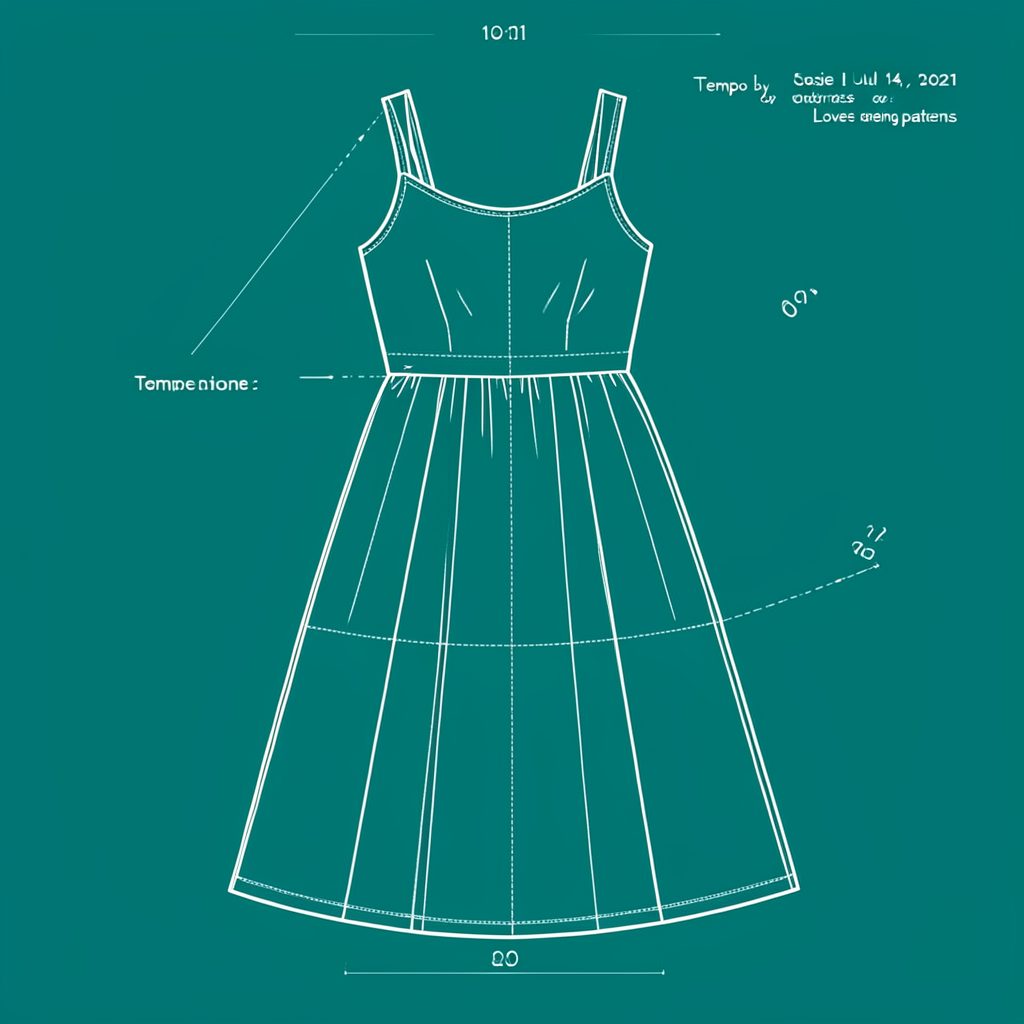
| Relaxed dress | Gathers, tiers or an easy A-line shape | Light to medium | Stay-stitch the neckline and test skirt fullness |
| Soft overshirt | Open front, patch pockets, easy sleeves | Medium to heavier | Use interfacing sparingly and press with a cloth |
| Bias-cut skirt | Simple waistband and clean hem | Light to medium | Allow the garment to hang before hemming |
Silk noil rewards garments that are comfortable, useful and allowed to move with the body. Its subtle texture gives a beginner-friendly pattern enough interest to feel special, while its forgiving surface makes the sewing process less intimidating. Start with a silhouette that has sensible ease, prepare the fabric carefully and let the cloth’s quiet drape do much of the design work.
Popular Pattern Reviews
| Pattern | Designer | Type | Highlight |
|---|---|---|---|
| Compose Robe (Kids) | Love Notions | Robe / Loungewear | Sizes 2T–16, cosy & practical |
| Tempo Sundress | Love Notions | Sundress | No closures, shirred back panel |
| Arlington Sweater | Love Notions | Sweater | Cold-weather staple |
| Sybil Illusion Skirt | Love Notions | Skirt (knit) | 7 variations, optional pockets |
| Camden Pinafore | Nina Lee Patterns | Pinafore dress | Year-round layering piece |
| Ogden Cami (dress hack) | True Bias | Cami / Dress | Versatile wardrobe builder |
| Burda 6829 | Burda | Dress | Multi-sized, special-occasion |
Stay in Touch
Subscribe to the newsletter for sewing inspiration, pattern tips, and project ideas delivered straight to your inbox.