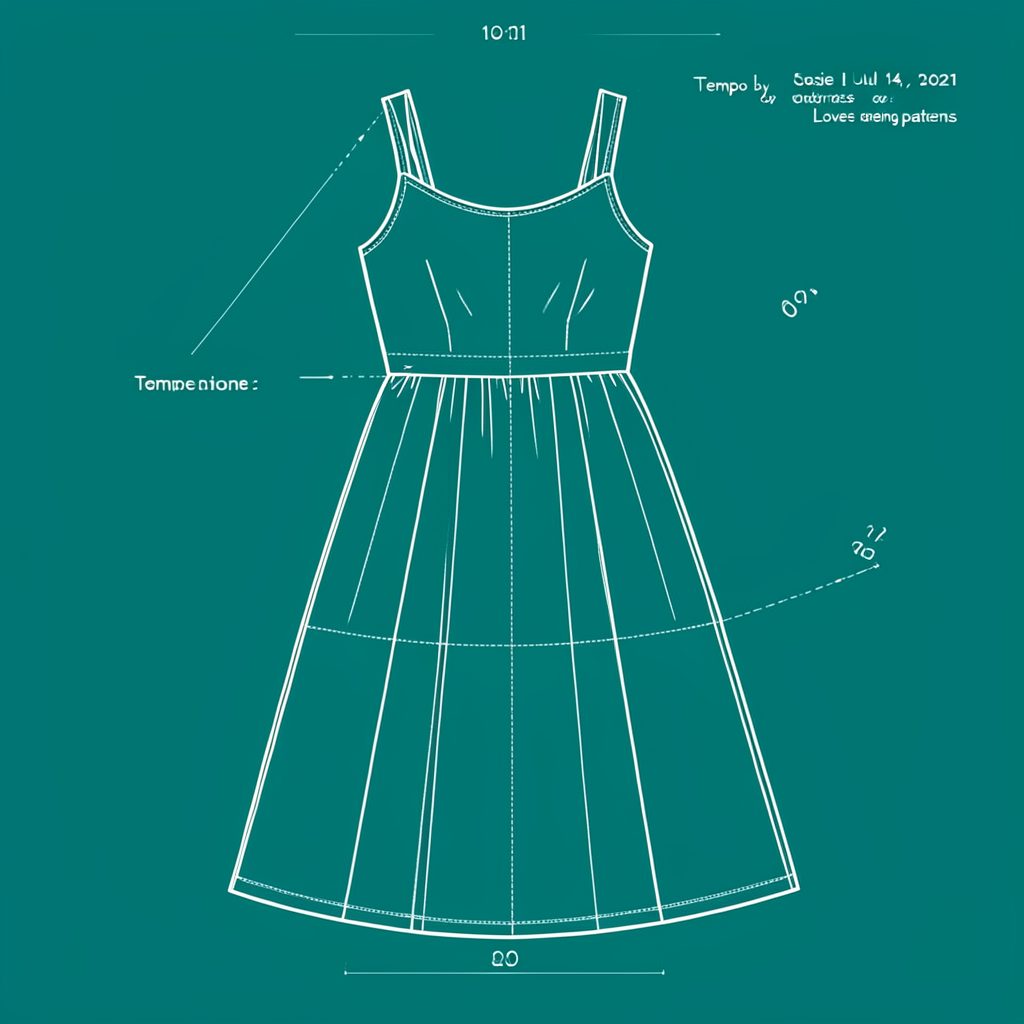
Fabric Spotlight: Tencel Twill for Pants and Dresses
Tencel twill is one of those fabrics that earns a regular place in a handmade wardrobe. It has the polished appearance of a woven cloth, the fluid movement needed for comfortable dresses, and enough body for well-fitting trousers. Depending on its weight and fibre blend, it can look smart enough for workwear while still feeling relaxed and easy to wear.
Tencel is the brand name most commonly associated with lyocell, a regenerated cellulose fibre made from wood pulp. In a twill weave, the threads create a subtle diagonal texture across the surface. This gives the fabric more structure than a plain-weave rayon, while retaining the soft hand and beautiful drape that make lyocell so appealing.
For sewists, the appeal is practical as well as visual. Tencel twill is available in earthy neutrals, rich jewel shades and useful denim-inspired tones, making it suitable for everyday separates and occasion pieces alike. With a few adjustments to fabric preparation and pressing, it can produce garments that look carefully tailored without feeling stiff.
Why Tencel Twill Works So Well
The first quality you notice is movement. A medium-weight Tencel twill falls smoothly around the body, making it a natural choice for wide-leg trousers, softly gathered skirts and dresses with a swaying hem. It does not stand away from the body like a crisp cotton twill, so it is especially effective for patterns designed around fluidity.
It also has a cool, smooth feel against the skin. Lyocell fibres are known for moisture management, which can make Tencel garments comfortable in warmer weather. A lighter cloth works well for a shirt dress or relaxed blouse, while a heavier version gives trousers enough coverage and reduces the likelihood of clinging.
The diagonal weave adds visual interest without demanding a print match. Solid-colour Tencel twill can look sophisticated in simple designs, allowing details such as patch pockets, pleats, topstitching or a tie waist to take centre stage. It is a particularly useful fabric when the silhouette is the main feature.
Choosing The Right Weight And Stretch
Fabric weight should follow the pattern, rather than the other way around. Lightweight Tencel twill is lovely for gathered dresses, camisoles and loose tops, but may feel too thin for fitted trousers. Medium-weight cloth is the most versatile option for pants, jumpsuits and casual dresses because it offers a balance of drape, opacity and stability.
Some Tencel twills contain elastane. A small amount of crosswise stretch can improve comfort in slim trousers, pencil skirts and close-fitting bodices. However, stretch percentages vary, so check the fabric listing carefully and compare it with the pattern requirements. A fabric with insufficient recovery may grow at the knees or seat during wear.
Stretch also changes how the garment should be cut and sewn. Use a ballpoint or stretch needle where appropriate, a slightly longer stitch, and a narrow zigzag or stretch stitch in seams that need to flex. For a woven pattern with no stretch requirement, choose a stable Tencel twill instead of assuming that every version will behave in the same way.
| Fabric characteristic | Best use | Sewing consideration |
|---|---|---|
| Lightweight, fluid twill | Loose dresses and skirts | Support areas such as waistbands and facings |
| Medium-weight woven twill | Trousers, jumpsuits and shirt dresses | Ideal all-round choice for everyday garments |
| Tencel twill with elastane | Slim-fit pants and fitted skirts | Check stretch direction and recovery |
| Heavyweight twill | Structured trousers and jackets | Use a strong needle and press carefully |
| Washed or brushed finish | Relaxed casual garments | Expect a softer surface and possible colour variation |
Preparing And Cutting The Fabric
Prewash Tencel twill before cutting, using the same temperature and drying method that you intend to use for the finished garment. Lyocell can shrink, particularly when exposed to heat, and a prewash prevents an unexpected change in trouser length or dress proportions. Drying flat or on a line is generally kinder than a hot tumble cycle.
Allow the fabric to rest after washing. It may be slightly distorted when it comes out of the machine, so gently reshape it and press it once dry. Avoid stretching it across the ironing board. Steam can help relax creases, but test the iron on a scrap first because some dyed Tencel fabrics develop a shiny patch under high heat.
Look closely at the surface before laying out the pattern. Some twills have a subtle nap or directional sheen, even when they appear plain from a distance. Place all pattern pieces in the same direction if the colour changes when the cloth is viewed from different angles. This may require extra fabric, but it prevents one trouser leg or bodice piece from looking noticeably lighter.
If a garment length needs adapting, make the adjustment on the paper pattern before cutting. The method in this guide to shorten a pattern is useful for dresses, trousers and sleeve pieces, especially when preserving the original shaping matters.
Sewing Techniques For A Clean Finish
Tencel twill can shift slightly while sewing because of its soft drape. Use plenty of fine pins or clips, and support large sections of fabric on the table rather than allowing them to hang off the edge. A fresh universal needle is usually suitable for a stable woven, while a finer needle may prevent snags in a lightweight version.
A walking foot can help feed slippery layers evenly, particularly around pockets, waistbands and long seams. Staystitch curved necklines and waist edges soon after cutting so they do not stretch out. If the pattern includes a bias-cut section, handle it gently and leave it to hang before hemming where possible.
Pressing deserves patience. Lift and place the iron instead of dragging it over the fabric, and use a pressing cloth on the right side. Press seams from the wrong side first, then use a tailor’s ham or seam roll for curved areas. Tencel generally responds well to steam, but excess pressure can flatten the texture or leave a glossy mark.
For a knit detail elsewhere in the project, keep the construction methods separate rather than treating every soft fabric in the same way. These practical tips for perfect neckbands are aimed at jersey, whose stretch and recovery differ from woven Tencel twill.
Garment Ideas For Your Wardrobe
Trousers are an excellent starting point because Tencel twill makes relaxed shapes feel polished. Try a wide-leg pair with an elasticated back waist, a tapered trouser with front pleats, or a utility style with patch pockets. If the fabric includes elastane, a slim trouser pattern can become much more comfortable without losing its neat outline.
Dresses show off the fabric’s drape even more dramatically. A button-front shirt dress can take advantage of the twill’s smooth surface, while a wrap dress benefits from its fluid movement and gentle weight. Gathered skirts, tiered designs and dresses with waist ties are also good choices, provided the fabric is not so heavy that the gathers become bulky.
Colour can guide the mood of the finished garment. Olive, tobacco and indigo create useful everyday pieces, while rust, teal or plum make a simple pattern feel more distinctive. If you are working with a deep shade, plan for careful pressing and consider testing seam finishes on scraps before committing to the full garment.
Practical Recommendations Before You Cut
A little planning will make this fabric easier to handle and help you choose a pattern that matches its qualities.
- Select a medium-weight Tencel twill for a first trouser or dress project.
- Prewash and dry the fabric in the way you will care for the finished garment.
- Check for stretch, recovery, colour variation and directional sheen before cutting.
- Add lightweight interfacing to waistbands, button plackets and facings where extra support is needed.
- Keep scraps for testing needles, stitch length, seam finishes and pressing temperature.
Tencel twill pairs especially well with independent sewing patterns that have clear construction steps and wearable proportions. Love Notions designs with relaxed shaping, practical waistbands or thoughtful fit options can be particularly rewarding in this cloth, while other indie patterns may offer the perfect opportunity to experiment with a new silhouette.
When comparing Tencel with another drapey fabric, consider the finished garment rather than the fibre name alone. Stretch velvet, for example, has a very different pile, recovery and pressure response; these holiday sewing ideas show why fabric-specific techniques matter when choosing a pattern and finish.
Tencel twill is a dependable bridge between comfort and structure. Choose the weight carefully, respect its drape during cutting, and press with a light touch. Then use it for a pair of trousers, a floaty dress or a hardworking jumpsuit that feels considered without being precious. Pick a pattern from your collection, prewash a length of Tencel twill and make a wearable version that brings a little fluid movement to your handmade wardrobe.
Popular Pattern Reviews
| Pattern | Designer | Type | Highlight |
|---|---|---|---|
| Compose Robe (Kids) | Love Notions | Robe / Loungewear | Sizes 2T–16, cosy & practical |
| Tempo Sundress | Love Notions | Sundress | No closures, shirred back panel |
| Arlington Sweater | Love Notions | Sweater | Cold-weather staple |
| Sybil Illusion Skirt | Love Notions | Skirt (knit) | 7 variations, optional pockets |
| Camden Pinafore | Nina Lee Patterns | Pinafore dress | Year-round layering piece |
| Ogden Cami (dress hack) | True Bias | Cami / Dress | Versatile wardrobe builder |
| Burda 6829 | Burda | Dress | Multi-sized, special-occasion |
Stay in Touch
Subscribe to the newsletter for sewing inspiration, pattern tips, and project ideas delivered straight to your inbox.