Modifying the Love Notions Laundry Day Tee sleeve length
The Love Notions Laundry Day Tee is a versatile knit top, but its sleeve length can make a significant difference to how often you wear it. A short sleeve may feel ideal in a Queensland summer, while a bracelet-length version can be more useful for cool Melbourne mornings or an autumn wardrobe in Tasmania.
Lengthening or shortening the sleeve is a straightforward pattern adjustment when you work from the correct point and preserve the intended shape. The key is to measure your arm, consider the stretch and weight of your fabric, and decide whether you want a close-fitting, relaxed or gently gathered finish.
Start with the pattern’s sleeve options
The Laundry Day Tee is designed as a comfortable knit garment with several style possibilities, so the existing sleeve pieces provide a useful starting point. Before altering anything, identify the sleeve you want to use and check whether the hem is straight, slightly tapered or shaped. That original line tells you how the designer intended the sleeve to sit around the arm.
A short sleeve can be extended to the elbow or three-quarter length, while a longer sleeve can be shortened for a cooler-weather tee. Avoid simply adding or removing fabric from the bottom if the sleeve changes noticeably in width along its length. A little shaping may be needed to keep the cuff from becoming too tight or too loose.
| Desired result | Best adjustment | Suitable fabrics | Useful for |
|---|---|---|---|
| Short sleeve | Trim from the hem area | Cotton jersey, bamboo knit | Warm climates and layering |
| Elbow sleeve | Extend below the original hem | Mid-weight jersey | Everyday wear |
| Three-quarter sleeve | Lengthen while retaining taper | French terry, stable knit | Transitional weather |
| Full-length sleeve | Extend to the wrist and check cuff fit | Ponte, cotton spandex | Cool days and layering |
For Australian sewists, digital indie patterns are particularly convenient because there is no paper pattern parcel waiting in international post. You can print the file at home, use a copy shop, or work with a projector, then source fabric locally from shops such as Spotlight, Lincraft or independent online retailers.
Take measurements before changing length
Measure from the shoulder point down the outside of your arm with your elbow slightly bent. Compare this measurement with the finished sleeve pattern, rather than relying on a standard size chart alone. The armhole and upper sleeve may fit perfectly even when the hem lands at an inconvenient point.
Think about where you want the sleeve to finish when your arm is relaxed. An elbow sleeve that ends directly across the fullest part of the forearm can ride up, especially in a fabric with limited recovery. A three-quarter sleeve usually feels more comfortable when it finishes on a narrower section of the arm.
Your fabric choice also affects the result. Lightweight viscose jersey may stretch and drape lower on the arm, whereas cotton jersey with elastane can spring back and feel shorter. If your fabric is very fluid, handle it carefully during measuring and cutting so it does not grow while you are working.
Quick fitting checks
- Measure both arms and use the longer measurement if they differ.
- Check the sleeve length while standing naturally, not with your arm held straight.
- Allow extra length if the knit has substantial vertical stretch.
- Compare the finished measurement with a favourite tee already in your wardrobe.
Before sharing project photographs or measurements online, it is worth reviewing the blog’s privacy policy, particularly if children, personal details or identifiable locations appear in your sewing content.
Choose a practical length for your wardrobe
The best sleeve length depends on more than the season. A cap or short sleeve is easy to wear under a cardigan and keeps fabric away from the wrist when cooking. An elbow sleeve offers a little more coverage without feeling heavy, making it a useful option for spring and autumn.
Three-quarter sleeves are especially practical for people who dislike fabric catching on benches or getting wet while washing dishes. They also work well under jackets. In Australia, they can bridge the gap between hot days and cool evenings, from a breezy Sydney night to a changeable day in the Adelaide Hills.
Full-length sleeves need more attention around the wrist. If the sleeve finishes at the wrist bone, it should still allow you to push it up comfortably. A sleeve that is too narrow at the forearm can be frustrating, even when the finished top looks neat.
Fabric and length pairings
- Choose light cotton jersey for a cool short-sleeved tee.
- Use bamboo or viscose knit for a soft, draped longer sleeve.
- Try French terry for a casual three-quarter version.
- Reserve firm ponte for a structured sleeve with extra ease.
Draft the alteration cleanly
To shorten the sleeve, draw a line across the pattern at the point where you want the new hem. If the sleeve tapers, make the line perpendicular to the grainline rather than cutting at an angle. Add the required hem allowance below the new cutting line, then blend the side seams if the new opening needs a smoother shape.
For lengthening, cut across the sleeve around the middle or lower section and spread the pieces apart by the amount needed. Insert a strip of paper, keeping the grainline aligned. Redraw the side seams so the transition is gradual. This is more reliable than adding a rectangle to the bottom because it preserves the sleeve’s original balance.
If you want a dramatic flare, a gathered hem or a cuff, treat that as a style change rather than a simple length adjustment. The opening may need additional width, and the cuff must be drafted to suit the fabric’s stretch. A narrow cuff can pull the sleeve in attractively, but it should not restrict movement.
For a shaped hem or a sleeve that blends into a different top design, the principles are similar to those in this high-low hem guide. Mark the new line clearly, transfer the seam allowance, and check that the grainline remains useful after the pattern is altered.
Sew and check the first version
A test garment does not need to be made from expensive fabric. An old knit sheet, a remnant or an inexpensive jersey can show whether the sleeve feels right before you cut into a favourite print. Use a similar fabric weight and stretch where possible, since a stable cotton knit will not behave like slippery rayon.
Sew the shoulder and side seams, attach one sleeve, and try on the top before finishing both cuffs. Move your arms forward, bend your elbows and reach overhead. These simple movements reveal whether the sleeve rides up, twists or pulls across the biceps.
Check the hem while sitting as well as standing. This matters if you spend the day at a desk, drive regularly or work with your hands. The sleeve may appear long when your arm hangs by your side but become exactly right once your elbow bends.
Pressing is also important. Use a warm iron with a pressing cloth where needed, and avoid stretching the knit at the hem. A twin needle, stretch stitch or coverstitch can provide a flexible finish, while a narrow zigzag is often sufficient for a home sewing machine.
Build a useful sleeve wardrobe
Once the alteration is tested, record the finished sleeve length on your pattern envelope or digital file. Note the fabric type, size, hem allowance and whether you added a cuff. This small record prevents repeated measuring when you return to the pattern later.
You may find that one Laundry Day Tee becomes several distinct wardrobe staples: a short-sleeved version for humid Brisbane days, an elbow-length top for everyday wear, and a long-sleeved style for winter layering. Colour and fabric can make the same pattern feel completely different.
Australian fabric availability can influence these choices. Printed cotton jerseys are often easy to find through large retailers, while quality rayon knits, merino jersey and unusual solids may be easier to source from specialist online stores. Buying a little extra fabric is sensible when extending sleeves, especially if pattern matching or directional prints are involved.
The adjustment is successful when the finished sleeve feels natural in motion. A well-chosen length should suit your measurements, climate and daily habits while retaining the relaxed character that makes the Laundry Day Tee such a practical pattern.
Popular Pattern Reviews
| Pattern | Designer | Type | Highlight |
|---|---|---|---|
| Compose Robe (Kids) | Love Notions | Robe / Loungewear | Sizes 2T–16, cosy & practical |
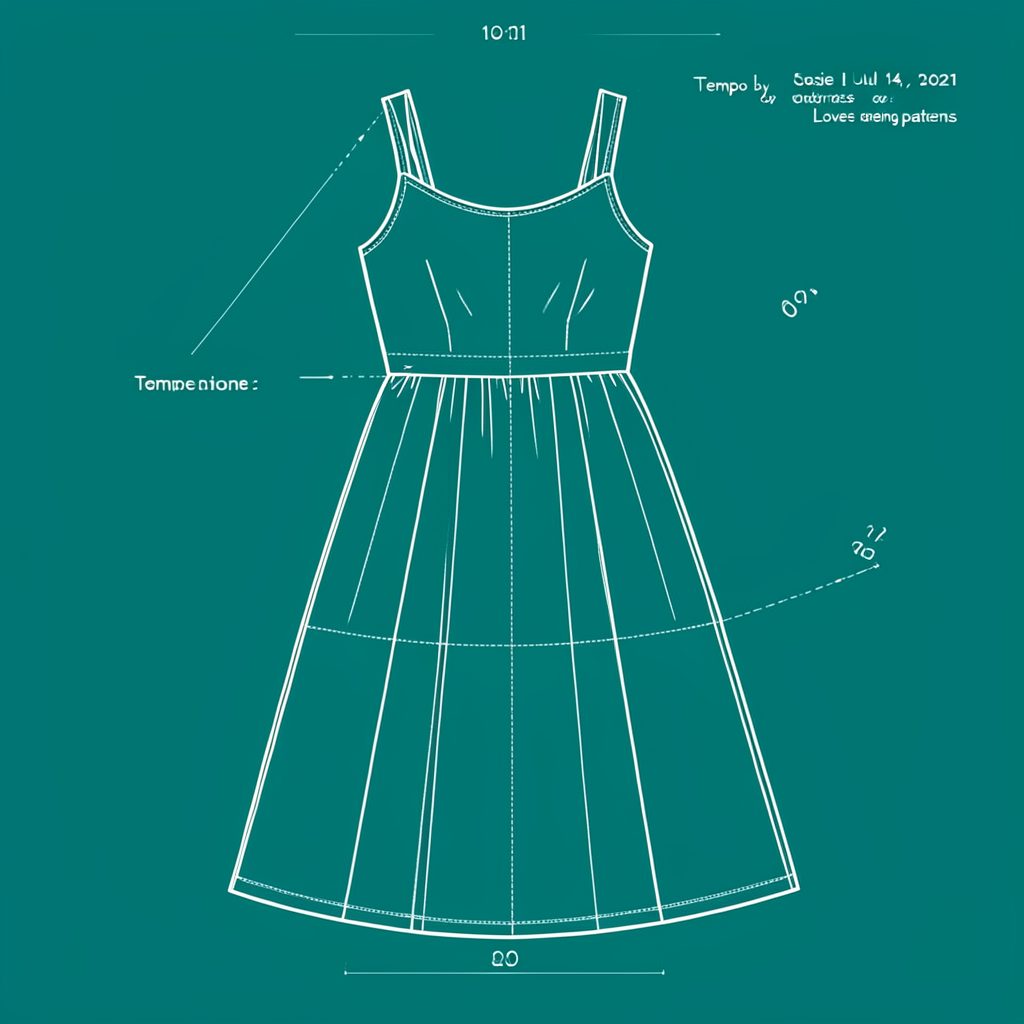
| Tempo Sundress | Love Notions | Sundress | No closures, shirred back panel |
| Arlington Sweater | Love Notions | Sweater | Cold-weather staple |
| Sybil Illusion Skirt | Love Notions | Skirt (knit) | 7 variations, optional pockets |
| Camden Pinafore | Nina Lee Patterns | Pinafore dress | Year-round layering piece |
| Ogden Cami (dress hack) | True Bias | Cami / Dress | Versatile wardrobe builder |
| Burda 6829 | Burda | Dress | Multi-sized, special-occasion |
Stay in Touch
Subscribe to the newsletter for sewing inspiration, pattern tips, and project ideas delivered straight to your inbox.