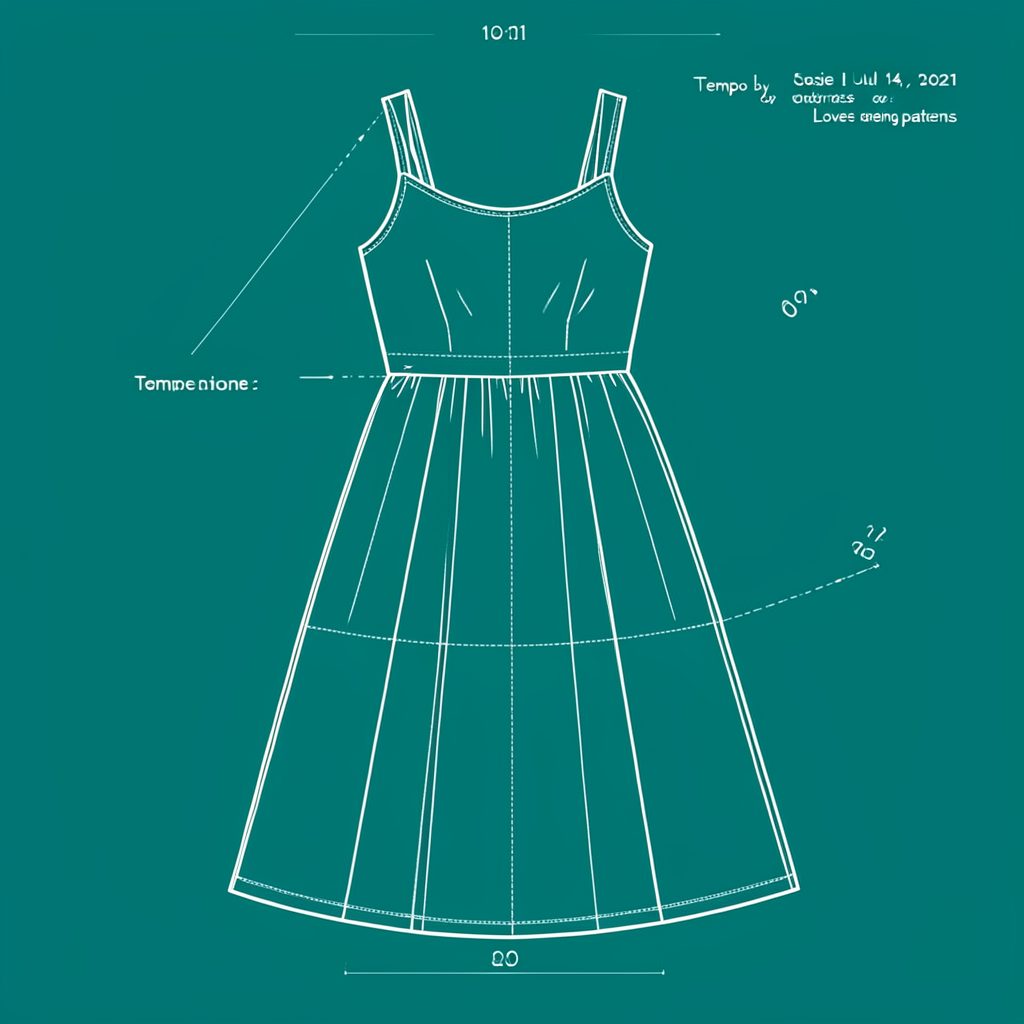
Love Notions Montoya jacket: adding patch pockets
The Love Notions Montoya jacket has earned its place in many a handmade wardrobe because of its soft, cocoon-like shape and the way it flatters without fussing. Adding patch pockets is one of those small customisations that shifts the garment from lovely to genuinely lived-in, giving you a place to warm your hands and somewhere practical to stash your phone. Australian sewists in particular seem to love a good patch pocket, since the climate swings between chilly coastal mornings and warmer arvo sun mean a jacket you can actually use daily needs proper storage. This little adjustment takes an afternoon and a few bits from your stash, and it rewards you with a jacket that suddenly feels finished rather than almost there.
Before you start snipping into your precious fabric, it helps to think about what you actually want from the pockets. Do you want them to disappear into the design, or stand out as a feature? Are they purely decorative, or do you need them to hold a chunky phone and a set of keys on a quick trip to the shops? These questions shape everything from the fabric choice to the placement, and they are worth answering before you reach for your shears.
Picking a placement that flatters the Montoya silhouette
The Montoya is a relaxed, slightly A-line jacket with a dropped shoulder and a generous body, which means pocket placement is more forgiving than on a fitted blazer. The most flattering spot tends to sit about 15 to 18 centimetres below the shoulder seam, with the inner edge roughly in line with the bust apex. Marking with tailor's chalk gives you a chance to step back and check the placement before any cutting happens.
Try pinning a scrap of fabric in position and standing in front of a mirror at a slight distance. Move your arm forward as though reaching for a shopping basket at the local grocer. If the pocket pulls or shifts, scoot it outwards by a centimetre or two. Australian sewists often add a touch more room across the front than the pattern suggests, simply because we tend to layer jumpers and long-sleeved tees under our jackets through the cooler months. A pocket that sits flat over a wool blend is a pocket that will get used.
One thing worth considering is the hand position of the wearer. If the jacket is for someone with longer arms, the pocket sits a fraction lower than the standard placement. If it is for a petite frame, raising the pocket by about two centimetres visually elongates the torso and stops the jacket from looking too oversized at the front.
Choosing fabric and stabilising the pocket pieces
Patch pockets behave best when the pocket fabric is slightly lighter than the jacket fabric, or at the very least, the same weight. A bulky denim pocket on a drapey tencel jacket will pucker and pull, while a flimsy cotton pocket on a heavy canvas coat will sag with use. For most Australian interpretations of the Montoya, a medium-weight cotton, a linen blend, or a softly textured wool works beautifully. Spotlight and the smaller indie fabric stores in places like Sydney's Surry Hills or Melbourne's Fitzroy stock a great range of these weights in autumn-friendly colours.
Interfacing is the unsung hero of a patch pocket that holds its shape. A medium-weight woven fusible on the wrong side of the pocket upper section prevents the dreaded floppy-pocket syndrome and gives the topstitching a crisp edge to sit on. Cut two rectangles of the pocket pattern piece in the fashion fabric and two in the interfacing. Fuse the interfacing to the wrong side of each pocket piece, following the manufacturer's instructions for heat and steam.
For those wanting to add visual interest, consider cutting the pocket from a contrast fabric or from offcuts of a coordinating print. Many Australian sewists use fabric scraps from previous projects, especially leftover pieces from a Kmart linen haul or remnants from a Spotlight remnant bin. This approach is sustainable and gives the Montoya a bespoke feel that mass-produced jackets cannot match. If you want extra guidance on working with trickier textiles, this sewing with sequined fabric guide walks through handling delicate materials without damaging your machine.
Construction from first stitch to final press
Start by finishing the curved or shaped edges of your pocket pieces. A double turn under, pressed and stitched, gives a clean finish on a curved pocket, while a straight-edge pocket benefits from a single fold pressed and topstitched. Pin the pocket to the jacket front, right sides together at the top edge only, and stitch along the top seam line as marked on the pattern. Press the seam allowance towards the pocket, then flip the pocket down and press the top edge so it sits flat and crisp.
Understitch the seam allowance to the pocket along the top edge. This step stops the pocket from peeking open when you wear the jacket, and it is the difference between a homemade look and a polished one. After understitching, pin the remaining three sides of the pocket in place, keeping the pocket fabric flat against the jacket front and avoiding any tucks or puckers.
Topstitch around the three remaining sides, either by hand with a stab stitch or by machine with a slightly longer stitch length. If your jacket fabric is thick or lofty, consider using a walking foot to help the layers feed evenly. Backstitch at the start and end of each topstitching line to secure the threads. A quick press with steam will set the stitches and give the pocket a professional finish that holds up to daily use, including being stuffed with a hanky, a phone, and a set of keys.
Common pitfalls and easy fixes
Even experienced sewists run into trouble with patch pockets, and most issues are easy to sort once you spot them. If your pocket looks slightly skewed after topstitching, it usually means one of the layers shifted while sewing. Carefully rip out the stitches with a seam ripper, re-press, and try again with more pins or a touch of spray starch to hold things in place.
Puckering along curved edges is another frequent hiccup. Clipping the seam allowance every centimetre or so around the curve before turning helps the fabric relax and sit flat. If you find the pocket still puckers after pressing, try grading the seam allowance to reduce bulk, especially at the corners where layers stack up.
Threads that snap mid-topstitching usually point to a blunt needle or a tension issue. Swap to a fresh needle sized for your fabric, and rethread both the top and bobbin. Use the needle-up function to pivot cleanly at the corners. If you are sharing photos of your finished jacket on social media and want to keep your personal details safe, have a quick read of the privacy policy before posting images that include your address or surroundings.
Interfacing options compared for the Montoya
Choosing the right interfacing makes a noticeable difference to how your patch pockets sit and wear over time. Different stabilisers offer varying degrees of structure, and the right one depends on your chosen jacket fabric and how much body you want at the pocket top. The comparison below outlines the most common options used by home sewists working on this kind of project.
| Interfacing type | Best for | Hand feel | Durability | Ease of application |
|---|---|---|---|---|
| Medium woven fusible | Cotton, linen, wool blends | Crisp but flexible | High with proper fusing | Easy, needs press cloth |
| Lightweight tricot fusible | Drapey fabrics like tencel or rayon | Soft with subtle body | Moderate, gentle wash cycle | Very easy, low heat |
| Heavyweight canvas interfacing | Structured coats, denim jackets | Firm and architectural | Excellent | Requires firm pressure |
| Sew-in cotton interfacing | Vintage-feel projects, hand stitching | Natural and soft | Long-lasting | Needs basting |
| Knit fusible | Stretch fabrics, ponte knits | Stretchy with body | Good | Easy, low heat |
For most Australian-made Montoya jackets in medium-weight fabrics, a medium woven fusible gives the best balance of structure and softness. It holds a topstitch beautifully without turning the pocket into a board, and it survives regular washes without peeling or bubbling.
Styling your finished jacket for everyday wear
Once the pockets are in, the Montoya becomes a much more wearable piece for Australian life. Toss it on over a striped breton and jeans for a weekend brekkie at the local cafe, or layer it over a lightweight knit for a coastal walk along the Mornington Peninsula. The pockets mean you can leave the handbag at home for shorter outings, which is honestly half the appeal of a patch pocket in the first place.
For a slightly dressier take, try the jacket in a jewel-toned wool with contrasting patch pockets in a tonal print. Deep emerald, burgundy, or mustard all photograph beautifully against the Australian bush or the ochre tones of the outback, and they pair well with denim and boots. The contrast pocket adds a subtle focal point without shouting, and it shows off the kind of thoughtful detail that makes handmade clothing feel special.
If you are sewing for someone else, consider the way they will actually use the jacket before settling on pocket placement and fabric. A parent chasing little ones around the park wants deep, secure pockets. A friend who spends her days at a desk might prefer a slimmer, more decorative pocket that does not bulk out the front of the jacket. Small considerations like these are what transform a lovely pattern into a beloved wardrobe staple that gets worn for years.
Popular Pattern Reviews
| Pattern | Designer | Type | Highlight |
|---|---|---|---|
| Compose Robe (Kids) | Love Notions | Robe / Loungewear | Sizes 2T–16, cosy & practical |
| Tempo Sundress | Love Notions | Sundress | No closures, shirred back panel |
| Arlington Sweater | Love Notions | Sweater | Cold-weather staple |
| Sybil Illusion Skirt | Love Notions | Skirt (knit) | 7 variations, optional pockets |
| Camden Pinafore | Nina Lee Patterns | Pinafore dress | Year-round layering piece |
| Ogden Cami (dress hack) | True Bias | Cami / Dress | Versatile wardrobe builder |
| Burda 6829 | Burda | Dress | Multi-sized, special-occasion |
Stay in Touch
Subscribe to the newsletter for sewing inspiration, pattern tips, and project ideas delivered straight to your inbox.