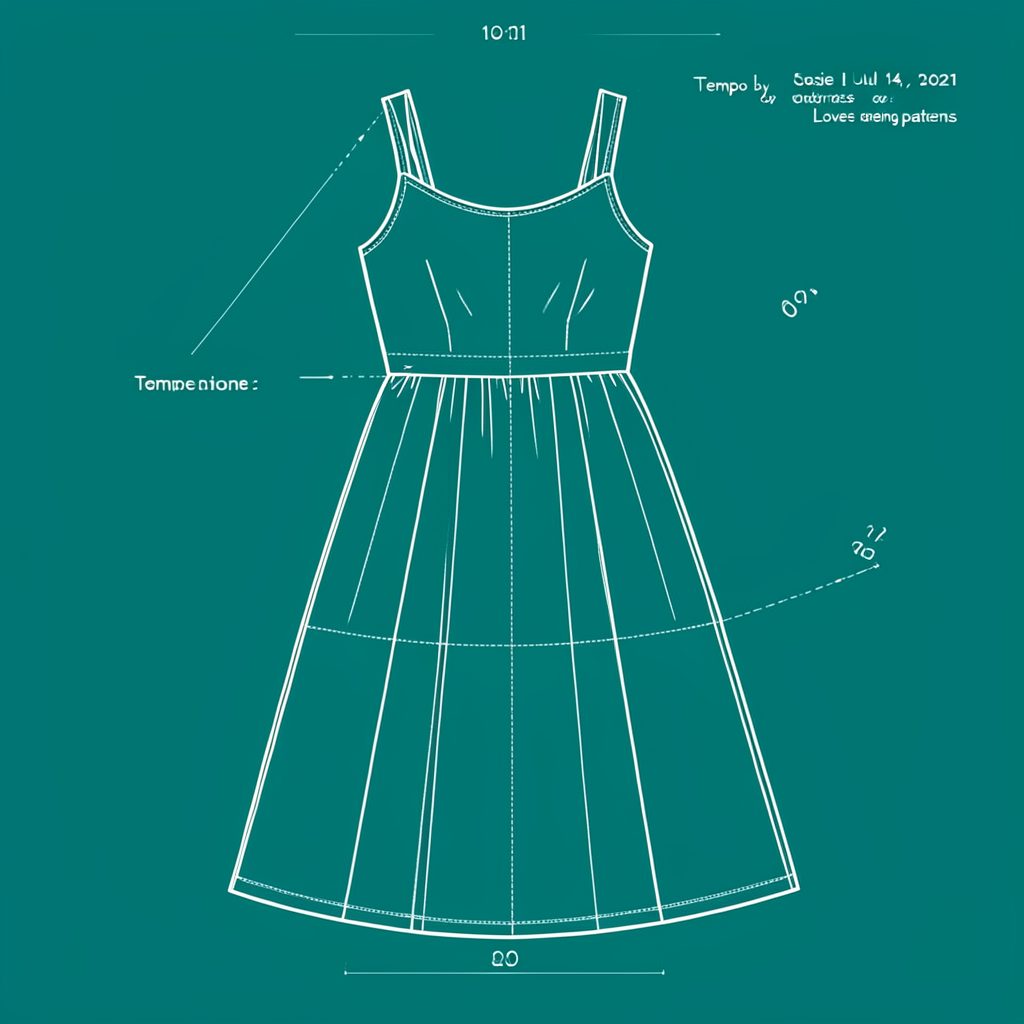
Adding a Mock Turtle Neck to the Love Notions Premiere Sweater
The Love Notions Premiere Sweater is a versatile base for a cosy handmade wardrobe, with enough ease for layering and a straightforward shape that suits many fabrics. A mock turtle neck is a particularly useful alteration when you want extra warmth without the bulk of a full roll neck. It also gives the sweatshirt a polished finish that works with jeans, skirts and wide-leg trousers.
This adjustment is suitable for a range of Australian wardrobes. A soft knit version can be useful during a chilly Melbourne morning, while a lighter cotton or rayon jersey works well for mild winter days in Brisbane or Perth. With a few careful measurements, the original neckline can become a comfortable raised collar rather than a tight, restrictive funnel.
Choosing fabric for the altered neckline
The neckline needs fabric with reliable recovery. Rib knit is the classic option because it stretches over the head and springs back into shape, but a stable sweater knit can also work if the finished opening is generous enough. Look for a fabric with at least moderate crosswise stretch and test it before cutting.
For a warmer Australian garment, French terry, sweatshirt fleece or a wool-blend knit can create a substantial winter layer. Merino jersey is especially pleasant against the skin, though it can be more expensive and may require gentle washing. In hot or humid areas, a lighter cotton jersey or bamboo blend will make the raised neckline easier to wear.
Avoid very bulky fabrics unless the neckline is drafted wider. Thick fleece folded into a double-layer neckband can become uncomfortable under the chin and may create a heavy ridge around the shoulder seam. A medium-weight knit usually produces the neatest result for this modification.
Measuring the Premiere neckline
Begin by sewing the shoulder seams according to the pattern instructions, then measure the neckline edge with the seam allowance included or excluded consistently. A flexible tape measure is helpful, but a length of string can follow the curve more accurately. Do not stretch the garment neckline while measuring it.
Decide how high you want the mock neck to sit. A finished height of 5–7 cm gives a subtle raised collar, while 8–10 cm creates a cosier effect. Double the desired finished height, then add seam allowances at both long edges. For example, a 7 cm finished collar with 1 cm seam allowances needs a 16 cm-high rectangle before folding.
The neckband length depends on the recovery of the fabric. A useful starting point is 80–90% of the neckline measurement, but each knit behaves differently. Cut a test strip, join it into a loop and compare it with the neckline. It should lie smoothly when lightly stretched, without pulling the shoulder seams towards the centre.
Drafting and cutting the mock neck
Cut the collar as a rectangle with the greatest stretch running across its width, from one side seam to the other. The short edges will be joined to form the loop, and the long edges will become the top and bottom of the collar. If your fabric has a directional print, account for the fold and pattern placement before cutting.
For a softer, relaxed mock neck, use a slightly longer band. For a close-fitting collar, reduce the length only when the fabric has excellent recovery. A band that is too short can make the Premiere sweater neckline gape, distort the shoulder line and feel tight when you turn your head.
Fold the rectangle in half with right sides together, matching the short edges. Sew the seam, press it open or towards one side, then fold the collar lengthwise with wrong sides together. Quarter-mark the collar loop with pins or fabric clips. Mark the garment neckline in the same way so the sections can be distributed evenly.
| Collar finish | Suitable fabric | Finished height | Wearing effect |
|---|---|---|---|
| Light single layer | Cotton or rayon jersey | 5–6 cm | Casual and breathable |
| Folded medium knit | French terry or stable jersey | 6–8 cm | Soft, everyday warmth |
| Taller folded band | Merino or sweater knit | 8–10 cm | Cosy and more dramatic |
| Ribbed close fit | Rib knit with strong recovery | 5–8 cm | Neat, structured neckline |
Sewing the raised neckline
With the collar folded, place its raw edge against the right side of the sweater neckline. Match the quarter points first, then clip between them. The collar should be slightly smaller than the opening, so stretch it gently between the clips while keeping the sweater fabric relaxed.
Sew around the neckline using a stretch stitch, narrow zigzag or overlocker. If you use an overlocker, keep the cutting width conservative until you know the fit is correct. Removing too much fabric can make the collar smaller than planned and may be difficult to undo cleanly.
Press the seam towards the body of the sweater if the fabric allows. A light steam press or a pressing cloth can settle the seam without flattening the knit. For extra stability, topstitch around the seam with a twin needle or a narrow zigzag, although this is optional on a soft casual jumper.
Checking comfort and fit
Try the sweater on before finishing the hem and cuffs. The collar should sit close to the neck without pressing against the throat. Raise your arms, turn your head and pull the garment over your head several times. These simple movements reveal whether the neckline is too tight or whether the collar rolls outward.
If the neck feels restrictive, remove the collar and shorten its height before changing its length. A taller band can feel tight simply because more fabric rests against the skin. If it stands away from the neck, the band is likely too long, the knit lacks recovery, or the seam allowance has been stretched during sewing.
For Australian ready-to-wear sizing comparisons, remember that local stores may use different measurements from independent pattern companies. Take body measurements rather than relying on a familiar shop size, particularly if you are ordering fabric or patterns online from overseas. The same principle applies when comparing the Premiere sweater with other indie designs.
Styling and seasonal variations
A mock-neck Premiere sweater looks especially balanced with a lower neckline underneath, such as a scoop-neck tee or camisole. For a relaxed weekend outfit, pair a longer version with leggings or denim. A shorter sweater in a smooth ponte or structured knit can be tucked into a high-waisted skirt for a smarter finish.
Colour can change the character of the alteration. A matching collar gives a clean, cohesive appearance, while contrast rib adds a sporty detail. In Australia, where wardrobe needs vary dramatically between regions, consider making the body in a mid-weight knit and the collar in a lighter rib. This preserves the visual effect without making the garment too warm.
Those sewing in Sydney or Adelaide may appreciate a breathable collar for changeable winter temperatures, while makers in Hobart may prefer merino or brushed sweatshirt fabric. Fabric availability also varies between local shops, online retailers and weekend craft markets, so order a small sample when recovery or weight is uncertain.
Troubleshooting and finishing details
A wavy neckline usually means the band was stretched too much while sewing, or the knit was not supported evenly. Let the feed dogs move the fabric instead of pulling it from behind. If the wave remains after pressing, unpick the affected section and restitch with less tension.
A collar that twists often has inaccurate quarter marks or a seam that was not aligned before folding. Check that the collar seam sits at the centre back and that the fold is even all the way around. Basting by hand can be worthwhile when using slippery rayon jersey or a very soft knit.
Wash the finished garment according to the fabric care instructions, especially if it contains wool or elastane. Australian laundry habits often involve strong sunlight and line drying, but direct sun can fade dark knits and weaken some fibres over time. For pattern-specific information and the background behind this sewing work, you can read Josie’s sewing story, while the site’s general sewing disclaimer explains how project guidance should be used.
The mock turtle neck is a small pattern adjustment with a noticeable effect. Careful fabric selection, a measured collar and a gentle fitting check will turn the Premiere sweater into a warmer, more distinctive layer without changing its comfortable everyday shape.
Popular Pattern Reviews
| Pattern | Designer | Type | Highlight |
|---|---|---|---|
| Compose Robe (Kids) | Love Notions | Robe / Loungewear | Sizes 2T–16, cosy & practical |
| Tempo Sundress | Love Notions | Sundress | No closures, shirred back panel |
| Arlington Sweater | Love Notions | Sweater | Cold-weather staple |
| Sybil Illusion Skirt | Love Notions | Skirt (knit) | 7 variations, optional pockets |
| Camden Pinafore | Nina Lee Patterns | Pinafore dress | Year-round layering piece |
| Ogden Cami (dress hack) | True Bias | Cami / Dress | Versatile wardrobe builder |
| Burda 6829 | Burda | Dress | Multi-sized, special-occasion |
Stay in Touch
Subscribe to the newsletter for sewing inspiration, pattern tips, and project ideas delivered straight to your inbox.