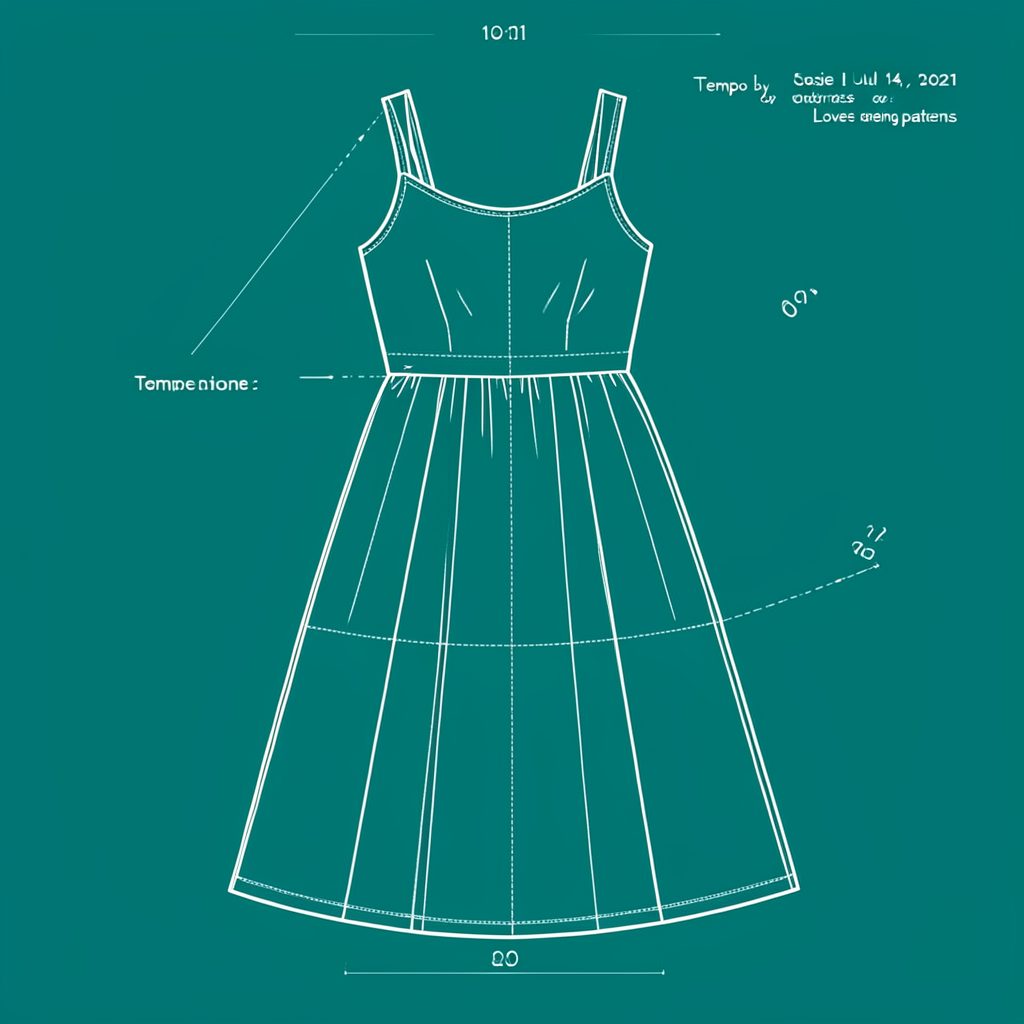
Adding Practical Pockets To Providence Pants
A pair of well-fitting trousers can still feel incomplete without somewhere to put a phone, keys or a tape measure. Adding pockets to the Love Notions Providence Pants is a manageable alteration, whether you prefer discreet side-seam pockets, shaped front pockets or a patch pocket with a little more character.
The best result comes from planning the pocket before cutting fabric. Think about the trouser fabric, the finished fit, the items you carry and the climate where you live. A pocket designed for a lightweight linen pair in Brisbane may need a different treatment from one added to structured denim for a Melbourne winter wardrobe.
Choosing The Right Pocket Style
Side-seam pockets are usually the simplest addition because they can be inserted into the existing trouser seam. They suit beginners, work with many trouser silhouettes and keep the outside of the Providence Pants looking clean. The opening can be curved, angled or almost invisible, depending on the shape of the pocket bag.
Front pockets, similar to those found on jeans or chinos, need more planning. They alter the front pattern piece, so the waistband, fly or front rise must be considered carefully. This style is useful when you want a firmer pocket that will hold a phone without pulling the side seam backwards.
Patch pockets are the most straightforward to draft and can be placed after the trousers are assembled. They are a practical choice for casual cotton twill, corduroy or linen, and they allow you to introduce a contrast fabric. For more pocket and garment ideas, the DIY sewing projects section offers useful inspiration beyond one trouser pattern.
Checking The Pattern And Fit
Before altering the paper or PDF pieces, read through the Providence Pants instructions and identify the seam allowances, waistband construction and any nearby darts or shaping. If the pattern already includes a pocket option, use its dimensions as a starting point rather than assuming a new design will fit the available space.
Make a quick toile from inexpensive fabric if you are changing the pocket position substantially. Try it on with the shoes you normally wear and place a phone or set of keys inside the proposed pocket. A pocket that feels comfortable while standing may gape when sitting, particularly if the trouser leg is slim or the fabric has limited stretch.
Australian sizing can vary noticeably between ready-to-wear shops and indie sewing patterns, so rely on finished garment measurements and your own body measurements. A pocket opening should sit where your hand naturally rests, rather than where a standard size chart suggests it belongs.
Drafting A Side-Seam Pocket
Trace the relevant front and back trouser pieces onto fresh paper, preserving the original pieces. Mark the pocket opening on the side seam, commonly between the waistline and upper hip. Keep the opening clear of the waistband seam and avoid placing it directly over a curved area that will strain when the trousers are worn.
Draw a pocket bag that extends several centimetres below the opening and far enough towards the centre front to hold what you need. Round the lower corners rather than leaving sharp angles, as curved corners turn more neatly and are less likely to catch on a hand. Add seam allowance to every new edge and label the pieces clearly.
Cut two pocket bags from the main fabric or a lighter lining. In a hot climate, such as Sydney or Brisbane, a breathable cotton lawn can reduce bulk and feel more comfortable than making the entire pocket from heavy trouser cloth. Finish the pocket opening edges before joining the bags if the fabric frays easily.
Sewing The Pocket Neatly
With right sides together, stitch one pocket bag to the front trouser piece along the pocket opening. Clip carefully into the seam allowance around any curve, press the pocket bag away from the front and understitch close to the seam. Understitching keeps the lining from rolling to the outside and gives the opening a crisp edge.
Join the matching pocket bag to the back trouser piece, then place the front and back together and sew the side seam and pocket-bag curve as separate operations. Reinforce the top and bottom of the opening with a short line of stitching or a small bar tack. These points receive extra stress when a hand enters the pocket.
Baste the pocket bag to the waist seam and, if needed, to the seam allowance near the hip. This prevents the bag from swinging forward inside the trousers. Press again from the wrong side and test the pocket before closing the waistband. If you are working with linen, pre-wash it first because shrinkage can distort an otherwise accurate pocket.
Adjusting For Fabric And Daily Use
Pocket weight affects fit. A small phone, cardholder and keys can pull a lightweight pair of trousers down, especially when the waistband is elasticated. Stabilise the pocket opening with a narrow strip of interfacing or stay tape, and choose a lining that is smooth but not slippery.
For denim or heavier twill, grade the pocket-bag seams to remove bulk at the hip. A serger or overlocker gives a tidy finish, but a zigzag stitch works well too. If the Providence Pants are made from a knit or stretch fabric, use a stretch stitch where required and avoid making the pocket opening so deep that it loses its recovery.
A Melbourne sewist may want pockets large enough for a phone under a wool coat, while someone dressing for Perth summers may prefer a shallow, airy pocket that does not add warmth. Fabric availability also varies: Spotlight and Lincraft commonly stock useful basics, while Australian online shops and independent fabric sellers can offer lighter linings, deadstock and responsibly sourced options.
If you sell the finished trousers rather than making them for personal use, describe the fibre content and care accurately and check your responsibilities under Australian Consumer Law. Good construction, honest product information and clear care advice matter just as much as attractive topstitching.
Pocket Planning Checklist
The following checks help prevent the most common problems before the scissors touch your fabric:
- Test the opening with your actual phone and keys
- Keep the pocket clear of darts, zips and waistband seams
- Add stay tape to lightweight or stretchy fabric
- Pre-wash the main fabric and pocket lining
A paper pocket template is useful for comparing shapes. Pin it to the toile, sit down, walk around and reach into it several times. If the opening pulls the side seam forward, move it slightly towards the front or enlarge the pocket bag rather than simply widening the mouth.
For decorative patch pockets, place both pockets while wearing the toile or use a ruler to measure from the waistband and side seams. Uneven placement is especially visible on trousers. Consider the direction of stripes, checks or a large print before cutting, and reserve a little extra fabric for matching if the design requires it.
Useful finishing choices include:
- Cotton lawn for cool, low-bulk pocket bags
- Firm twill for workwear and utility trousers
- Contrast fabric for a deliberate handmade detail
- Matching thread for subtle, durable reinforcement
Comparing Pocket Options
The most suitable design depends on the fabric, the intended use of the trousers and how much alteration you want to make. This comparison can help narrow the choice before you redraw the pattern.
| Pocket style | Alteration level | Best fabric choices | Main advantage | Watch for |
|---|---|---|---|---|
| Side-seam pocket | Low | Linen, cotton, light denim | Easy to add and discreet | Opening can gape if unsupported |
| Curved front pocket | Medium | Denim, twill, corduroy | Stable and roomy | Requires careful front-piece drafting |
| Patch pocket | Low | Linen, canvas, cotton drill | Simple placement and visible detail | Can look bulky or pull the garment |
| Welt pocket | High | Wool, suiting, structured woven | Tailored and polished finish | Needs precision and interfacing |
A final fitting is worth doing before topstitching. Put the trousers on with the waistband finished, fill the pocket lightly and check that the side seam remains vertical. If it swings towards the front, reduce the pocket contents, stabilise the opening or reshape the bag. If it pulls towards the back, the opening may be too close to the side seam or the pocket bag may be too small.
Small construction details make a major difference. Press every stage, use a sharp needle suited to the fabric and test the thread tension on scraps. A clean, reinforced pocket will make the Providence Pants more useful for everyday wear, whether they are paired with sandals in Adelaide or layered with knitwear during a cooler Canberra morning.
Pocket construction also rewards the same careful sequencing used in other garment details. Techniques such as those shown in this collar and cuff tutorial demonstrate how pressing, understitching and accurate seam preparation can turn a home-sewn feature from merely functional into something polished. With those habits in place, adding pockets becomes a practical pattern adjustment rather than a daunting redesign.
Popular Pattern Reviews
| Pattern | Designer | Type | Highlight |
|---|---|---|---|
| Compose Robe (Kids) | Love Notions | Robe / Loungewear | Sizes 2T–16, cosy & practical |
| Tempo Sundress | Love Notions | Sundress | No closures, shirred back panel |
| Arlington Sweater | Love Notions | Sweater | Cold-weather staple |
| Sybil Illusion Skirt | Love Notions | Skirt (knit) | 7 variations, optional pockets |
| Camden Pinafore | Nina Lee Patterns | Pinafore dress | Year-round layering piece |
| Ogden Cami (dress hack) | True Bias | Cami / Dress | Versatile wardrobe builder |
| Burda 6829 | Burda | Dress | Multi-sized, special-occasion |
Stay in Touch
Subscribe to the newsletter for sewing inspiration, pattern tips, and project ideas delivered straight to your inbox.