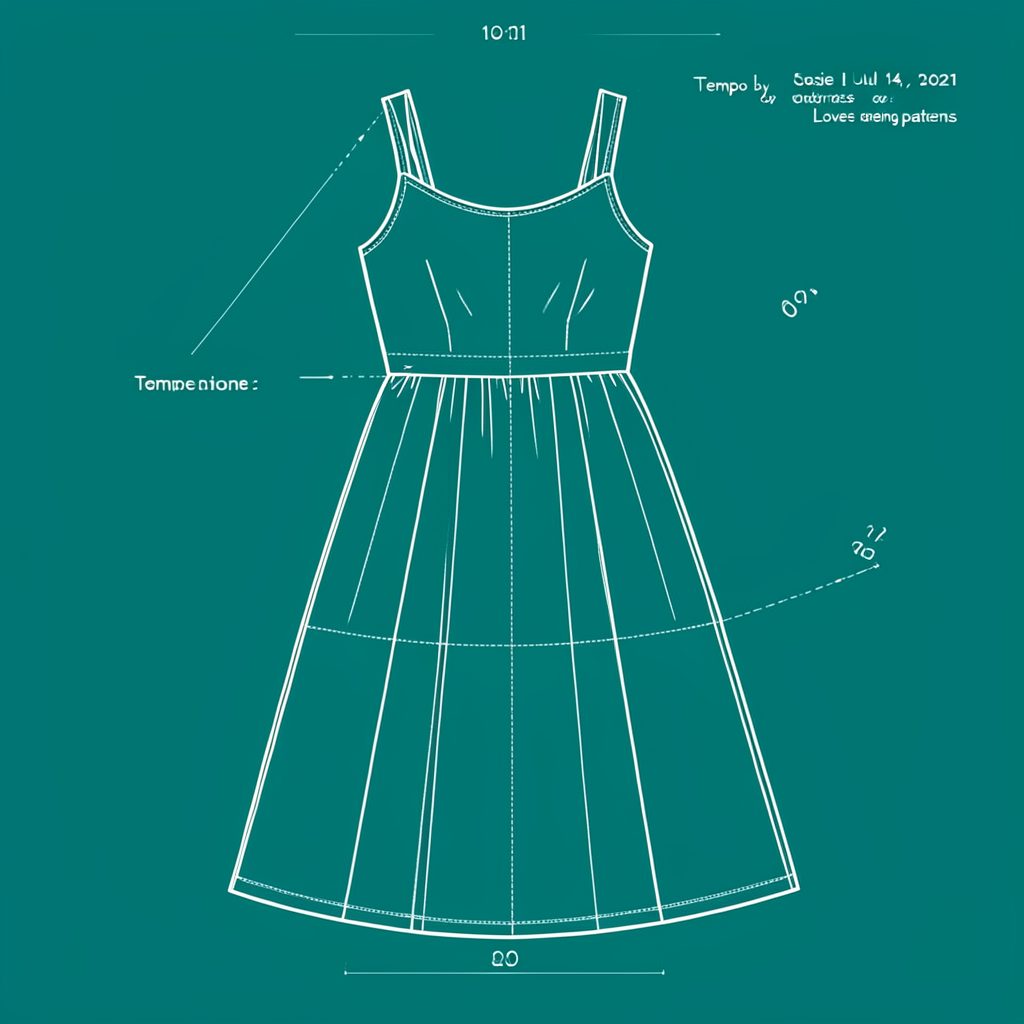
Love Notions Providence Pants turned into easy summer shorts
The Love Notions Providence Pants pattern has earned a loyal following among home sewists who appreciate a relaxed, pull-on trouser with a clean, contemporary cut. When the mercury climbs across Sydney, Brisbane, and Perth, the lower-leg room in the Providence silhouette makes it a brilliant candidate for a shortened, warm-weather version. Stripping the legs back to mid-thigh or knee length transforms the design into a breezy pair of elastic-waist shorts that suit beach mornings, weekend farmers' markets, and lazy afternoons on the verandah.
I have been sewing the Providence Pants on and off for a couple of years, so when I had a chance to revisit the pattern with a shorts conversion in mind, I jumped at it. The result is a pair I have worn almost daily through the Australian summer — to a festive Christmas lunch in Adelaide, on a road trip down the Mornington Peninsula, and to countless school pickup runs. Below is everything I learned about grading, hemming, and finishing the shorter version, including a few fabric choices well suited to the Australian climate.
Getting to know the Providence Pants pattern
The Providence Pants are drafted with a wide, gently tapered leg, a wide elasticated waistband, slash front pockets, and an optional tie or button detail. The pattern ships in Love Notions' standard size range, with a relaxed fit through the hip that skims rather than clings. One of the reasons this design translates so well to shorts is the way the leg widens: even after trimming off twenty or thirty centimetres, the silhouette keeps its elegant drape instead of turning into a tube.
For sewists new to the pattern, the construction sequence is approachable. Front pockets are finished with a simple bias facing, the waistband is a single folded piece with elastic threaded through a casing, and the hem is a clean double-fold finish. There are no zippers, no buttonholes in the basic version, and no tricky welt details. That simplicity makes it ideal for someone who wants to experiment with a shorts hack without committing to a fully new pattern.
Fabric choices that suit an Australian summer
Picking the right cloth matters more for shorts than for full-length trousers, because bare legs mean the fabric rests against skin all day. I tested two very different fabrics for my versions: a soft cotton-rayon twill from a Spotlight remnant bin, and a linen-cotton blend I picked up during a sale at a Canberra-based online store. Both behaved well, but they gave quite different garments.
The rayon-blend twill had a beautiful drape and a slight sheen that dressed the shorts up for a casual evening out — perfect with a simple cami and leather sandals for a Brisbane summer wedding I attended in November. The linen blend softened dramatically after the first wash and felt cooler and more lived-in, making it the everyday favourite. Cotton poplin, tencel, and viscose-linen mixes all behave nicely for this pattern in short form; anything too stiff can puff awkwardly at the hem and feels heavy against bare thighs in January heat.
Working out length and grading
Converting pants to shorts is partly about courage and partly about maths. I started by trying on a finished pair of Providence Pants (my toile, long since outgrown in the leg) and pinning the new hemline directly onto my thigh. A mirror, a willing helper, or a full-length phone snap in the bathroom are all useful allies at this stage. Knee-length worked best on my 167 cm frame; anyone taller or shorter will want to adjust by a centimetre or two either way.
Once the pin line is set, transfer that measurement onto the paper pattern. I traced a fresh shorts front and back rather than cutting the master, so I can return to the full-length version any time. The crotch curve and rise stay untouched, which is the real beauty of this hack: nothing structural changes, just the lower leg. The elastic waistband forgives a fair amount of sizing wobble, and the original pattern's generous ease means a slimmer leg can still feel roomy through the hip and seat.
Hemming and pocket details
The double-fold hem on the original pattern reads as a slim 1.5 cm cuff. For the shorts version, I lengthened that to a 2.5 cm double fold, which gives the hem enough weight to hang cleanly without looking precious. On the linen-cotton pair, I finished the hem with a small blind-stitch by hand; on the rayon twill I just caught the fold with the machine using a 4 mm straight stitch and a matching thread.
The slash pockets deserve a moment of attention too. Because the leg is now shorter, the pocket opening sits closer to the hand, which means cheap facing fabric will rub against skin in hot weather. Swap in cotton voile or self-fabric facings, and trim any bulk from the seam allowances inside. I also top-stitched the pocket edges on the linen pair to keep them crisp after multiple washes, since pure linen tends to soften and shift at the corners when it has been hand-sanded by frequent wear.
Wearing the finished shorts through the season
A pair of Providence shorts in a neutral or botanical print is remarkably versatile in an Australian wardrobe. In Melbourne's unpredictable December, I layered them over swimmers, threw a loose linen shirt over the top, and felt pulled-together enough for brunch in Fitzroy. Further south in Hobart, the same shorts work into early autumn with thick socks and a chunky knit on cooler mornings.
Softer, washed fabrics read more relaxed for daytime, while something with a touch of structure — the rayon twill, or a cotton sateen — can look smart enough for casual offices or for a relaxed spin through the Melbourne Cup carnival if you don't fancy a full dress. The elastic waistband makes them comfortable through long hours, whether you are wrangling kids at a community cricket match or wandering an op-shop trail through regional NSW.
Small adjustments I tried along the way
Once the basic shape was settled, I made a few small changes to suit my habits. I shortened the elastic by 4 cm at the waistband, which kept the shorts sitting higher on the hip and stopped them from sagging under pocket weight. I added a small channel stitch to the back rise, invisible from the right side, to give the seat a touch more shaping through wear.
I also trialled a contrasting deep hem band on a third pair, picking up a 6 cm strip of navy linen for a sand-coloured pair. It looked completely intentional and the extra weight gave the shorts a slightly tailored feel. If you are unsure about committing to the hack first time, a contrasting hem band is a forgiving way to practise hem finishing because any small wobble reads as a design choice rather than a mistake.
Care tips for a long Australian summer
Australian summers are tough on clothes: salt air at the beach, perspiration in humid Brisbane evenings, and harsh UV in the afternoon sun all take their toll. I rotate my Providence shorts so each pair rests for at least a day between wears, and I wash them on a cool cycle with a gentle detergent. Linen blends benefit from a brief tumble on low to soften, while the rayon twill prefers a flat dry to keep its shape.
Pressing matters too. The waistband casing always wants a gentle press from the inside, and the pocket openings respond well to a steam shot rather than a hot iron, which can leave a sheen on darker fabrics. Stored folded over a hanger on the line, the shorts keep their shape through a full summer and roll neatly into a suitcase for a weekend in Noosa or Cairns.
Quick notes before you cut your fabric
- Trace a fresh shorts pattern piece rather than cutting your master, so the full-length trouser option is preserved.
- Choose a fabric with a soft drape: cotton-rayon twill, linen blends, tencel, or viscose work beautifully in our heat.
- Test the hemline on your body with pins before trimming the paper pattern.
- Lengthen the hem allowance to around 2.5 cm so the cuff hangs cleanly and does not ride up.
- Replace the pocket facings with cotton voile for breathability against bare skin on warm days.
- Top-stitch the pocket edges if your fabric softens dramatically after washing.
- Get in touch at contact Josie if you would like help troubleshooting a tricky step on the project.
Popular Pattern Reviews
| Pattern | Designer | Type | Highlight |
|---|---|---|---|
| Compose Robe (Kids) | Love Notions | Robe / Loungewear | Sizes 2T–16, cosy & practical |
| Tempo Sundress | Love Notions | Sundress | No closures, shirred back panel |
| Arlington Sweater | Love Notions | Sweater | Cold-weather staple |
| Sybil Illusion Skirt | Love Notions | Skirt (knit) | 7 variations, optional pockets |
| Camden Pinafore | Nina Lee Patterns | Pinafore dress | Year-round layering piece |
| Ogden Cami (dress hack) | True Bias | Cami / Dress | Versatile wardrobe builder |
| Burda 6829 | Burda | Dress | Multi-sized, special-occasion |
Stay in Touch
Subscribe to the newsletter for sewing inspiration, pattern tips, and project ideas delivered straight to your inbox.