Love Notions Ravenna Tee: adding a mock neck
A classic tee becomes a very different wardrobe piece with a close-fitting mock neck. The change adds warmth around the neckline, gives a simple knit top a polished finish, and makes the Love Notions Ravenna Tee useful through more of the year. It is also a manageable adjustment if you are comfortable sewing knit fabric and want to experiment without redrawing the entire pattern.
The Ravenna is a good starting point because a straightforward tee shape lets the neckline become the feature. A fine rib knit creates a soft, casual result, while a smooth cotton-spandex jersey gives the garment a cleaner, more structured appearance. The finished height can be adjusted to suit your style, from a low collar that barely stands to a taller version with a gentle fold.
For sewists in Australia, fabric choice may depend heavily on climate. A lightweight cotton jersey is pleasant in Brisbane or Perth, whereas a warmer interlock or merino blend may be more useful for Melbourne, Canberra, or a cool Tasmanian winter. Local shops such as Spotlight and independent fabric stores often carry suitable knits, but stretch and recovery are more important than the fibre label alone.
I have gathered plenty of practical sewing notes and garment experiments on Josie's sewing blog, with an emphasis on approachable pattern adjustments. This project follows the same spirit: make a useful change, test it carefully, and let the fabric guide the final result rather than chasing absolute precision from the first attempt.
Choose fabric with recovery in mind
A mock neck needs enough stretch to pass comfortably over your head, then enough recovery to sit neatly against your neck. Look for a knit with approximately 40 to 60 per cent crosswise stretch and good spring-back. To test it, stretch a measured section of fabric and release it. If it remains noticeably longer or wavy, it may produce a loose, tired-looking collar.
Rib knit is often the easiest choice because its vertical texture makes a natural collar fabric. However, a very soft rib can grow during construction, particularly when handled on a domestic sewing machine. A stable jersey with elastane is more predictable and can match the body of the tee closely.
Consider the weight of the whole garment. A bulky mock neck attached to a light, drapey tee can pull the neckline out of shape. For a summer wardrobe in Sydney or Adelaide, a fine cotton jersey keeps the design breathable. In cooler areas, a medium-weight knit can turn the Ravenna into a useful layering top under a jacket or woollen overshirt.
Alter the neckline pattern piece
Begin with the Ravenna neckline as drafted and trace the front and back neckline edges onto fresh paper. Do not cut into your original pattern until you have tested the alteration. Measure the complete neckline seam, including the front and back, after joining the shoulder seams on paper.
The collar is a rectangle. Its length should usually be between 80 and 90 per cent of the neckline measurement, depending on the stretch and recovery of your fabric. A firm rib may need less length, while a stable jersey may need to be closer to 90 per cent. Add seam allowance to both short ends.
For the height, decide on the finished collar measurement first. A finished height of 4 to 6 centimetres gives a subtle mock neck, while 7 to 9 centimetres creates a more noticeable stand. Multiply the finished height by two because the band is folded, then add seam allowance along the long edges. Mark the direction of greatest stretch across the length of the rectangle, not from top to bottom.
Prepare and sew the collar
Sew the short ends of the collar together with a stretch stitch or narrow zigzag. Press the seam open if the fabric allows, or press it to one side if that produces less bulk. Fold the collar in half lengthways, wrong sides together, and press lightly. Avoid stretching it while pressing, since a distorted folded edge will be difficult to correct later.
Divide both the neckline and collar into quarters using pins, clips, or washable marker. Match the collar seam to the centre back unless you prefer to place it at a shoulder seam. Then match the remaining marks. The collar should be slightly smaller than the neckline, so ease it in gradually rather than concentrating the excess in one area.
A serger gives a neat, flexible finish, but a regular machine can handle this step. Use a narrow zigzag, lightning stitch, or another stretch stitch, and test the settings on scraps first. Sew with the collar against the garment if that helps you control the smaller edge. Keep the neckline edge flat and let the feed dogs move the fabric without pulling from behind.
Finish the inside neatly
Once the collar is attached, press the seam allowance towards the body of the tee. You can leave the seam raw if your fabric does not fray, but a line of topstitching helps keep the allowance flat and makes the inside more comfortable. A twin needle, coverstitch, or narrow zigzag can work, depending on the equipment available.
If the seam feels bulky, trim the allowance carefully and grade the layers so they finish at slightly different widths. This is particularly useful with rib knit. Be cautious near the shoulder seams, where several allowances may meet and create a hard ridge.
Try the tee on before hemming. A mock neck that seems correctly proportioned on the table can feel too high once worn. Check that you can turn your head easily and that the neckline returns to shape after being stretched over your head. Australian summer heat can make close necklines feel warmer than expected, so a lower collar may be preferable for everyday wear in Queensland.
Make a toile before cutting precious fabric
A quick toile from an inexpensive knit is worth the effort, especially when using a fabric purchased online or saved for a special project. Test both the collar height and the collar length. These two measurements affect comfort separately: a collar can be the right height but too tight, or comfortably loose but too short to stand properly.
Photograph the toile from the front and side, then note what you would change. If the collar rolls outward, it may be too loose or the fabric may lack recovery. If it pulls the neckline upward, shorten the band slightly or use a softer fabric. If it folds over completely, increase the height or choose a fabric with more body.
Keep track of the final measurements on your pattern. Include the fabric type, stretch percentage, collar length, finished height, and any changes to the shoulder or neckline. This record is especially helpful when ordering from Australian online fabric retailers, where the same colour may return later in a different knit weight.
A practical checklist for the next version
The first version does not need to be perfect to teach you something useful. A few deliberate checks will make the second Ravenna faster to sew and more comfortable to wear.
- Measure the neckline after joining the shoulders rather than relying on an estimate.
- Test stretch and recovery on a fabric sample before drafting the collar.
- Use clips instead of pins if the knit shifts or develops runs.
- Stabilise the shoulder seams with clear elastic or narrow twill tape when the fabric is very soft.
- Wash and dry the fabric as you plan to launder the finished tee before cutting.
Style the finished tee for real wardrobes
A mock-neck Ravenna works well with high-waisted jeans, wide-leg trousers, or a denim skirt. In Melbourne, it can sit beneath a trench coat or oversized blazer during changeable weather. In Brisbane, pair a lightweight version with linen trousers and choose a low collar for better airflow. The simple shape also makes it a good base for patterned knits, though a plain fabric will show the neckline detail most clearly.
Colour can change the character of the garment. Black, navy, charcoal, and cream create an understated layering piece, while rust, eucalyptus green, cobalt, or warm ochre bring a distinctly Australian wardrobe sensibility without making the pattern feel complicated. A striped collar with a plain body is another way to add interest using small fabric remnants.
Before publishing sewing projects or recommending materials, it is useful to keep site policies easy to find; the privacy policy explains how visitor information is handled. Project notes and fabric references can then remain focused on the practical details that help another sewist make an informed version.
The finished top should feel comfortable when sitting, reaching, and pulling it over your head. If you document your changes, include the fabric composition, stretch, collar dimensions, and any fitting adjustments. Those details make a pattern review more useful to other sewists, whether they are shopping at a local Australian fabric market, ordering online, or working through a small stash at home. For transparency around recommendations and site relationships, the disclosure page provides the relevant background.
Popular Pattern Reviews
| Pattern | Designer | Type | Highlight |
|---|---|---|---|
| Compose Robe (Kids) | Love Notions | Robe / Loungewear | Sizes 2T–16, cosy & practical |
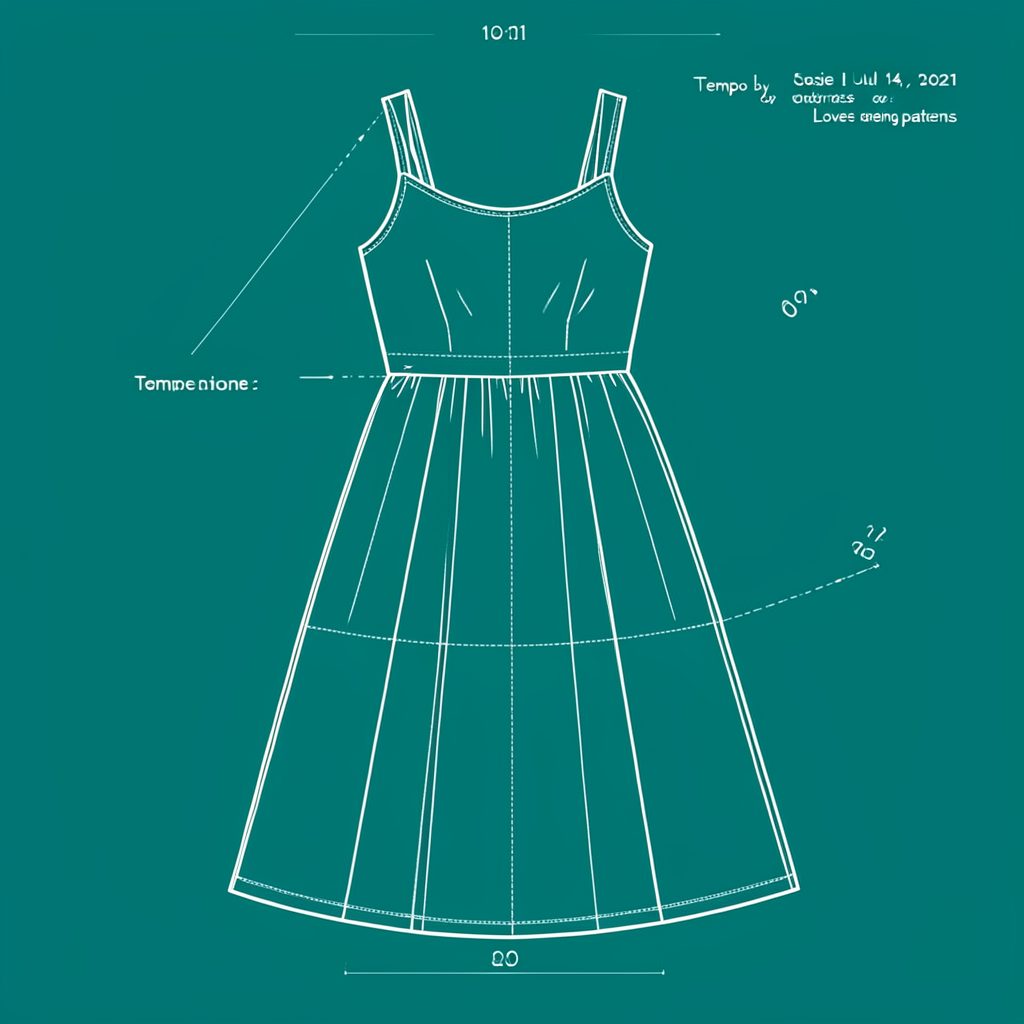
| Tempo Sundress | Love Notions | Sundress | No closures, shirred back panel |
| Arlington Sweater | Love Notions | Sweater | Cold-weather staple |
| Sybil Illusion Skirt | Love Notions | Skirt (knit) | 7 variations, optional pockets |
| Camden Pinafore | Nina Lee Patterns | Pinafore dress | Year-round layering piece |
| Ogden Cami (dress hack) | True Bias | Cami / Dress | Versatile wardrobe builder |
| Burda 6829 | Burda | Dress | Multi-sized, special-occasion |
Stay in Touch
Subscribe to the newsletter for sewing inspiration, pattern tips, and project ideas delivered straight to your inbox.