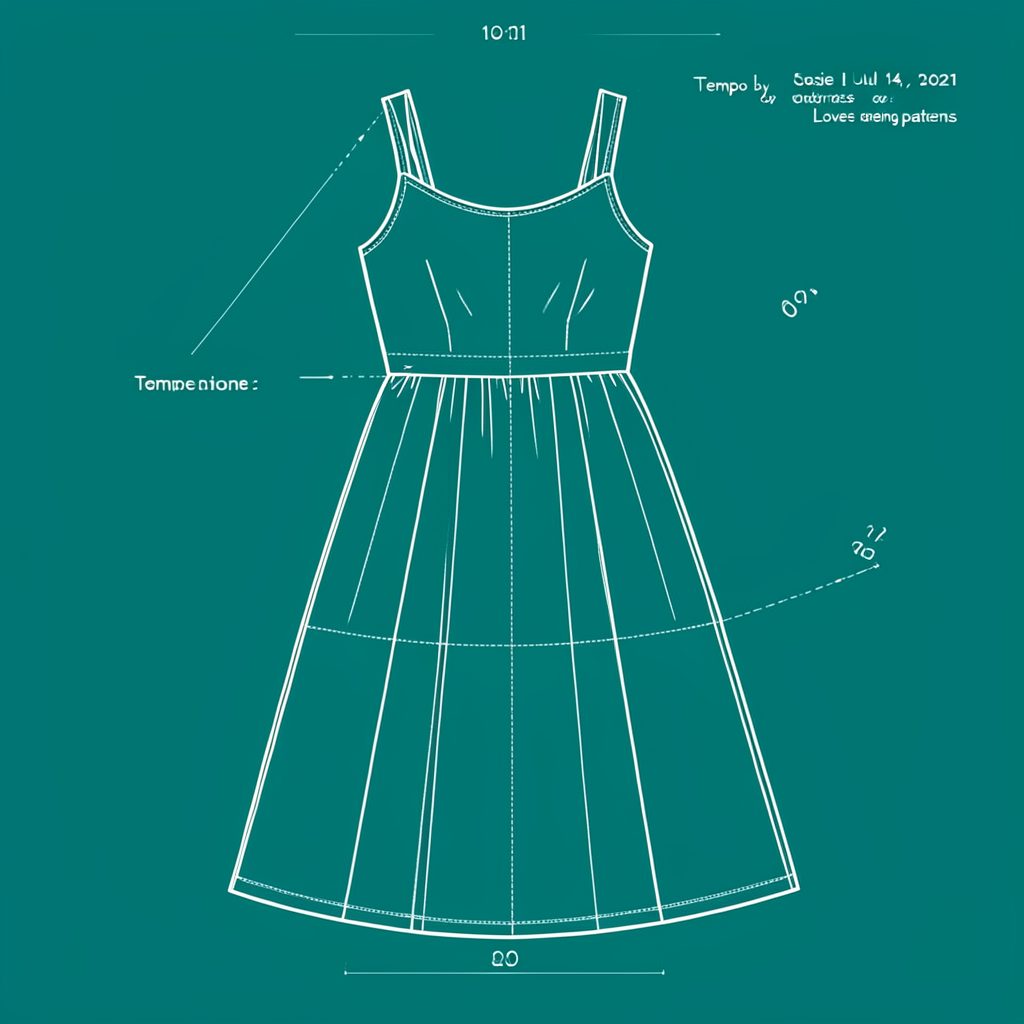
Pattern Review: The Itch To Stitch Costa Blanca Top
The Itch to Stitch Costa Blanca Top is the kind of project that earns its place in a handmade wardrobe through repeat wear. It has a relaxed, everyday character, while thoughtful shaping and clean design lines keep it from looking like a basic boxy tee. For sewists who enjoy practical garments with a little polish, it is an appealing pattern to examine.
I approached this review with the usual questions in mind: how approachable is the construction, which fabrics show the design at its best, and does the finished top feel useful beyond the photograph taken on sewing day? The Costa Blanca has plenty of potential, although fabric choice and neckline handling make a noticeable difference to the final result.
It is also a pattern that suits the way I like to sew at home in Yorkshire: a project with enough detail to stay interesting, but without requiring an entire week of uninterrupted concentration. It can become a dependable staple or a more distinctive statement piece, depending on the cloth and finishing choices.
First Impressions Of The Design
The Costa Blanca Top has an easy, wearable silhouette that feels relaxed without being shapeless. Its appeal comes from the balance between comfort and structure. The design leaves room for movement, yet the neckline and overall proportions provide enough definition to make it feel like a considered garment rather than something improvised.
The pattern also has the versatility expected from an independent sewing pattern. It works as a simple everyday top in a quiet solid, but it can take on a completely different personality in a bold print, a textured fabric, or a carefully placed stripe. That makes it useful for both cautious beginners and experienced sewists looking for a quick wardrobe addition.
The style is especially appealing if your wardrobe needs separates that bridge casual and smart-casual dressing. Worn with jeans, it is relaxed; paired with tailored trousers or a skirt, it can look much more intentional.
Choosing Fabric And Size
A fabric with fluidity will generally show the Costa Blanca Top to its best advantage. Lightweight woven cloth, soft linen blends, rayon, viscose, and drapey cottons are all worth considering, depending on the version being sewn and the amount of structure desired. A very crisp fabric may exaggerate volume, while a soft fabric will allow the lines to fall more gently against the body.
Print scale is another useful consideration. A small scattered print gives the garment an easy, everyday feel, whereas a large pattern can highlight the shape and create a stronger focal point. Stripes may require additional attention at the seams, but they can make the finished top look beautifully tailored when matched carefully.
Take measurements rather than choosing a size based on ready-to-wear habits. Compare the pattern chart with the finished garment measurements, paying particular attention to the bust and hip areas. If your measurements fall across different sizes, blending between lines can give a more balanced result than automatically sizing up throughout.
For additional independent-pattern inspiration, Josephine’s Stella dress review is useful for seeing how fabric, fit, and pattern modifications can work together in a finished garment.
Construction Notes From The Sewing Room
The construction is manageable, but the neckline deserves patience. Stay-stitching promptly, transferring markings accurately, and handling the fabric gently will help prevent stretching. If the material is particularly fluid, a narrow strip of lightweight interfacing or stabilising tape can make the sewing process much less frustrating.
Pressing is just as important as stitching here. Press seams as you go, use a pressing cloth when working with delicate fibres, and avoid dragging the fabric across the ironing board. Small inaccuracies around the neckline or shoulder area can become much more visible once the garment is worn, so careful preparation pays off.
The pattern is suitable for a confident beginner who is willing to work slowly through the instructions. Someone sewing their first independently drafted top may benefit from making a toile, particularly if the fabric is expensive or the intended fit is close to the upper end of the size range. More experienced sewists will likely find it a satisfying project with room for custom finishing.
How It Compares In A Handmade Wardrobe
The Costa Blanca fills a useful gap between a very casual T-shirt and a more structured blouse. It has enough ease for regular wear but can still look presentable when you need to leave the house quickly. That middle ground is where many handmade garments become genuine wardrobe favourites.
Its versatility also makes it a good companion to more detailed projects. After spending time on a fitted dress or a garment with intricate construction, sewing a top with a straightforward shape can feel refreshing. The result is practical, and the sewing process still gives you opportunities to improve finishing techniques.
| Feature | Costa Blanca Top | Best Choice For |
|---|---|---|
| Overall feel | Relaxed and polished | Everyday separates |
| Fabric direction | Soft, fluid, lightweight cloth | Comfortable drape |
| Sewing challenge | Moderate, with neckline care needed | Confident beginners |
| Styling potential | Casual to smart-casual | Flexible wardrobes |
| Customisation | Fabric, length, and fit adjustments | Personal wardrobe planning |
| Wearability | Easy to layer and repeat | Seasonal outfit building |
I would place it alongside other versatile indie patterns rather than treating it as a one-purpose project. A version in linen blend could become a summer staple, while a darker viscose or subtle print would work well through transitional weather with a cardigan or jacket.
Fit Adjustments Worth Considering
The most useful adjustment will depend on your proportions and preferred amount of ease. A full bust adjustment may be worth considering if the top fits well across the shoulders but feels tight or pulls across the bust. Conversely, a narrow shoulder adjustment can improve the fit when the neckline and upper body feel too wide.
Length is another easy way to make the pattern feel more personal. Petite sewists may prefer to remove some length through the body, while taller sewists may want to add it so the finished top sits comfortably over trousers or skirts. Make any length change before cutting, and check how it affects the placement of the hem and other design details.
A toile is particularly valuable when using a fabric with little recovery or when you have a clear preference for a closer or looser fit. It lets you assess the shoulder line, bust position, and overall volume without committing to the final cloth. Mark any changes directly on the toile before transferring them to the paper or PDF pattern.
Details That Make The Finish Better
Even a relaxed top benefits from a deliberate finishing plan. Choose a hem treatment that suits the fabric rather than relying automatically on the first method that comes to mind. A neat double-fold hem works well for many light and medium fabrics, while a narrow hem may be preferable where the fabric is fine or curved.
Thread, needle choice, and pressing equipment can also change the sewing experience. Use a fresh universal or microtex needle as appropriate, test the stitch length on scraps, and check that the thread tension remains balanced. If the fabric shifts during cutting, placing tissue paper underneath or using additional pattern weights can improve accuracy.
Before sewing the final seams, check the print layout and consider pattern placement around the front and neckline. This is particularly important for directional designs, checks, and large motifs. A few minutes spent planning can make the finished garment look far more professional.
Practical Sewing Recommendations
The Costa Blanca Top is a strong choice for a wardrobe-building project, especially when you want a pattern that can be sewn more than once. I would begin with a stable, forgiving fabric before moving on to slippery rayon or a more expensive print. The first version can reveal whether you prefer the intended ease or want to make a more personalised adjustment.
These small decisions can make the project smoother:
- Measure the pattern and compare finished measurements before selecting a size.
- Make a quick toile if you are between sizes or unsure about the shoulder and bust fit.
- Stay-stitch the neckline and handle fluid fabric with a light touch.
- Test the hem, pressing temperature, and stitch settings on a fabric scrap.
- Record any alterations so the next version is faster and more accurate.
The pattern’s greatest strength is its adaptability. It can be a straightforward introduction to sewing a polished woven top, or a useful base for experimenting with fabric, length, print placement, and finishing details. That flexibility gives it lasting value beyond a single make.
If you enjoy approachable sewing projects, fabric ideas, and pattern reviews from a Yorkshire sewing room, explore more of Josephine’s work on It Is Josie. Cut a fabric that makes you want to wear the result, take your time with the neckline, and let the Costa Blanca become a top that earns regular space in your wardrobe.
Popular Pattern Reviews
| Pattern | Designer | Type | Highlight |
|---|---|---|---|
| Compose Robe (Kids) | Love Notions | Robe / Loungewear | Sizes 2T–16, cosy & practical |
| Tempo Sundress | Love Notions | Sundress | No closures, shirred back panel |
| Arlington Sweater | Love Notions | Sweater | Cold-weather staple |
| Sybil Illusion Skirt | Love Notions | Skirt (knit) | 7 variations, optional pockets |
| Camden Pinafore | Nina Lee Patterns | Pinafore dress | Year-round layering piece |
| Ogden Cami (dress hack) | True Bias | Cami / Dress | Versatile wardrobe builder |
| Burda 6829 | Burda | Dress | Multi-sized, special-occasion |
Stay in Touch
Subscribe to the newsletter for sewing inspiration, pattern tips, and project ideas delivered straight to your inbox.