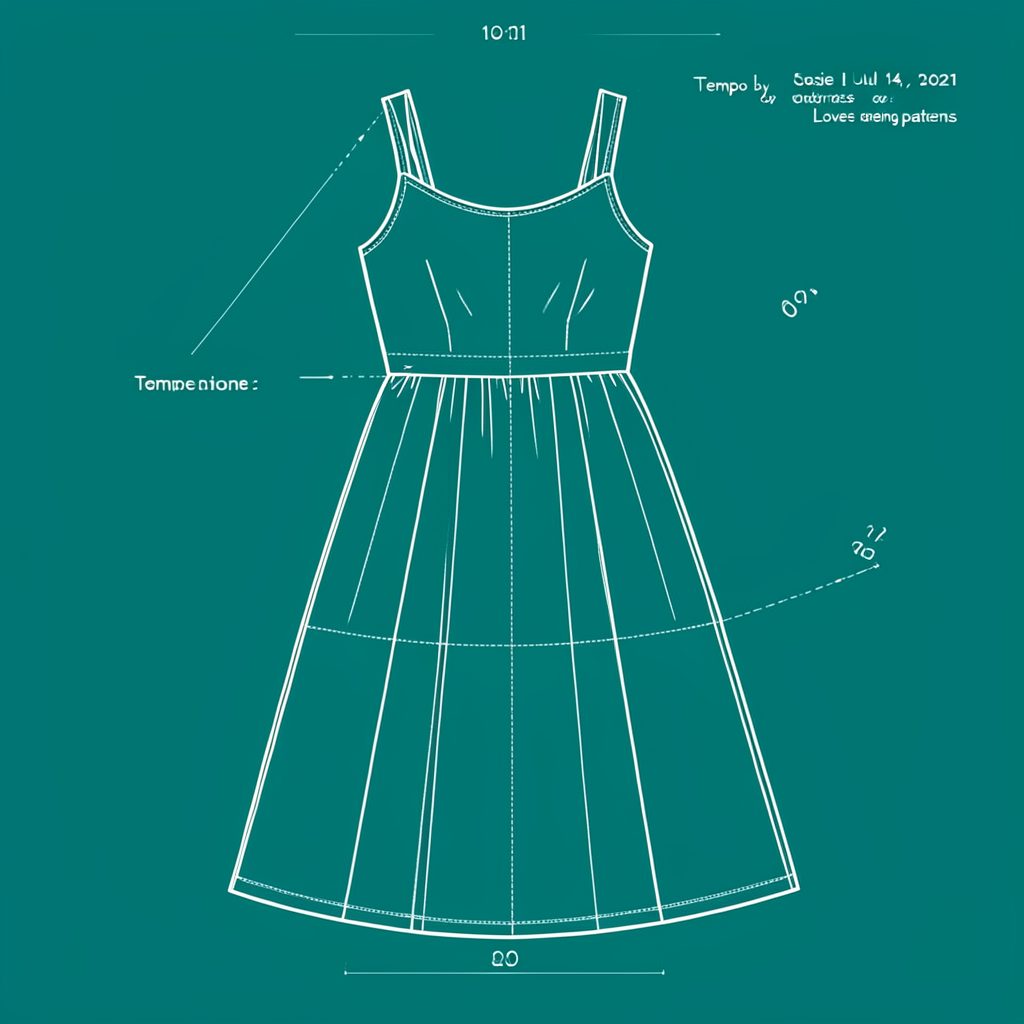
Love Notions Laundry Day Tee Pattern Review
The Love Notions Laundry Day Tee is the kind of knit top that earns its place in a regular sewing rotation. It is designed for everyday wear rather than a special-occasion finish, with a straightforward shape that can become a reliable base for different fabrics, sleeve lengths and styling ideas.
For Australian sewists, that practicality matters. A lightweight tee can work through a Brisbane summer, while a longer-sleeved version layered under a cardigan is useful in Melbourne or the cooler parts of Tasmania. The pattern also suits the sort of fabric shopping many home sewists do locally: a few metres of cotton jersey, rayon knit or bamboo blend from an independent shop or online retailer.
This review looks at the fit, fabric choices, sewing process and wardrobe value of the pattern. It is aimed at anyone deciding whether this indie sewing pattern is worth adding to their collection, particularly beginners who want a manageable knit project without giving up the opportunity to learn useful techniques.
| Feature | What to expect | Useful for Australian sewists |
|---|---|---|
| Garment type | Everyday knit tee with several styling options | A practical base for warm-weather dressing |
| Fabric | Stretch jersey or another suitable knit | Cotton, bamboo and rayon blends are widely useful |
| Construction | Quick assembly with knit-friendly seams | A good project for an overlocker or zigzag stitch |
| Fit | Comfortable, casual and easy to layer | Helpful for relaxed weekend and work-from-home wardrobes |
| Skill level | Beginner-friendly with a few techniques to practise | Suitable as a first or second knit garment |
The overall shape and design
The Laundry Day Tee has an uncomplicated silhouette, which is its greatest strength. It is relaxed enough for movement but still reads as a proper garment rather than an oversized sleep top. The pattern is useful when you want something you can wear with jeans, linen trousers, shorts or a denim skirt.
The design offers enough variation to keep it interesting. Neckline, sleeve and hem choices allow the same basic pattern to move from a simple crew-style tee to a more distinctive wardrobe piece. That flexibility is valuable when a sewist likes a pattern but does not want every version to look identical.
The name suggests a basic chore-day garment, but the result need not look plain. A striped knit, contrast neckband or carefully chosen solid colour can make the finished top feel polished. A soft drapey fabric creates a different effect from a crisp cotton jersey, even when the pattern pieces remain the same.
Fit and sizing considerations
As with any knit pattern, choosing a size from the finished measurements is more useful than relying on a usual shop size. Measure the bust, compare it with the pattern chart and check the intended ease before cutting. If your measurements fall across more than one size, blending between sizes may give a better result than choosing a single size throughout.
The relaxed shape makes the pattern forgiving, but it is still worth considering shoulder width, bust fullness and preferred hem position. A shorter torso may need a length adjustment, while a taller sewist might appreciate the extra coverage of the longer option. Making a quick toile from inexpensive jersey can reveal whether the neckline and hem sit where you want them.
Australian bodies and wardrobes are wonderfully varied, so there is no single “right” level of ease. Someone dressing for humid Darwin weather may prefer a looser fit than someone in cool Canberra. Think about the climate where you live, the bras or camisoles you normally wear and whether the top needs to tuck into high-waisted bottoms.
Choosing fabric for the best result
A stable cotton jersey is a sensible starting point. It is easier to handle than very slippery rayon knit and tends to hold a neckband neatly. Look for fabric with comfortable crosswise stretch and good recovery. If the fabric stretches out and stays stretched, the neckline may look wavy after sewing.
Rayon, bamboo and modal knits can make a beautifully soft Laundry Day Tee, especially for summer. They usually have more drape, so the top may skim the body rather than stand away from it. These fabrics can be more challenging to cut and sew, but a fresh rotary blade, plenty of pins or clips and a walking foot can make the process calmer.
For an Australian wardrobe, breathable natural-fibre blends are particularly appealing. A light cotton jersey is handy in Perth or Adelaide heat, while a medium-weight knit may be better for layering during a Sydney winter. Always prewash the fabric in the way you expect to launder the finished top, because knit shrinkage can affect both body length and sleeve length.
Sewing the neckline and seams
The neckband is the area most likely to determine whether a handmade tee looks professional. Measure the neckline if necessary, follow the pattern instructions carefully and avoid stretching the garment edge while attaching the band. The band itself needs controlled tension rather than force; too much stretch creates ripples, while too little can leave a loose neckline.
An overlocker makes quick work of the main seams, but it is not essential. A narrow zigzag or stretch stitch on a regular sewing machine can produce a strong, flexible seam. Test on a fabric scrap first, especially if your machine tends to tunnel, skip stitches or pull lightweight jersey into the needle plate.
Clear elastic or stabilising tape can help shoulder seams keep their shape. Pressing is also important: use a low-to-medium temperature suitable for the fabric and let seams cool before moving them. A twin needle can give a neat home-sewn finish at the hem, although a zigzag finish is perfectly serviceable for a relaxed everyday garment.
What makes it beginner friendly
The pattern is approachable because the garment comes together without a complicated fitting system or many separate details. There are no buttonholes, zips or tailored closures to slow down a first attempt. That makes it a useful project for learning how knit fabric behaves while still producing something wearable.
Beginners should spend time understanding the instructions before cutting. Mark the front and back clearly, transfer notches and keep the seam allowance consistent. Knit pieces can look deceptively similar, especially when the fabric has a subtle print, and attaching a sleeve or neckline backwards is an easy mistake to make.
A few habits make the process smoother:
- Use a ballpoint or stretch needle suited to the fabric.
- Test the stitch on scraps before sewing the garment.
- Keep a little extra fabric for matching stripes or correcting errors.
- Press each seam as you go rather than leaving everything until the end.
The result may be quick, but quick does not have to mean careless. Taking time with the neckline and hems is what turns a basic tee into a garment you will reach for repeatedly.
Styling and wardrobe potential
The Laundry Day Tee works particularly well as a wardrobe builder. A neutral version in navy, charcoal or cream can become a foundation piece, while a floral, stripe or bright colour brings more personality. For Australian dressing, it can sit beneath a linen overshirt, work with relaxed shorts or tuck neatly into a flowing skirt.
A long-sleeved version can be useful during the changeable seasons in Victoria and New South Wales. A shorter sleeve may be the better choice for Queensland, where breathable fabric and an easy shape are often more comfortable than close-fitting layers. The pattern also has potential for colour blocking, although matching seam lines and choosing fabrics with similar stretch will matter.
This is where a basic tee pattern becomes more than a one-off project. Small adjustments can create a collection of tops with different moods: a polished solid for casual office wear, a soft bamboo version for travel and a playful print for the weekend. The finished garments can look considered without requiring a completely new construction method each time.
How it fits into an independent pattern collection
Love Notions patterns are known for practical wardrobe sewing, and the Laundry Day Tee fits neatly into that approach. It complements more involved projects because it can be sewn between larger commitments. After making one version, you have a useful reference for deciding whether to alter the length, adjust the neckline or change the amount of ease.
The pattern would suit someone building a handmade wardrobe gradually rather than chasing novelty. It is especially helpful if you already have knit fabrics in your stash and want a project that turns them into everyday clothing. Sewists who enjoy detailed fitting may eventually want to modify the block, but the starting point is clear and wearable.
For a little more background on the person behind this sewing space, you can meet Josephine and see how practical garment making sits alongside other creative work. That personal perspective is part of the appeal of an indie sewing blog: projects feel grounded in real wardrobes, available time and fabrics that people genuinely want to use.
Final verdict for Australian sewists
The Love Notions Laundry Day Tee is a strong choice for a comfortable, repeatable knit project. Its approachable construction makes it suitable for beginners, while the variation in fabric and styling gives experienced sewists room to make the pattern their own.
It is not a pattern for a sharply tailored or highly sculpted top, and that is worth recognising before cutting. Its appeal lies in ease, comfort and usefulness. With sensible fabric selection, accurate neckline sewing and a little attention to proportion, it can become one of those dependable patterns that earns repeated use.
If you enjoy seeing how sewing ideas become practical handmade projects, the wider DIY sewing projects collection offers more inspiration for building a wardrobe and creative routine around garments you will actually wear.
Popular Pattern Reviews
| Pattern | Designer | Type | Highlight |
|---|---|---|---|
| Compose Robe (Kids) | Love Notions | Robe / Loungewear | Sizes 2T–16, cosy & practical |
| Tempo Sundress | Love Notions | Sundress | No closures, shirred back panel |
| Arlington Sweater | Love Notions | Sweater | Cold-weather staple |
| Sybil Illusion Skirt | Love Notions | Skirt (knit) | 7 variations, optional pockets |
| Camden Pinafore | Nina Lee Patterns | Pinafore dress | Year-round layering piece |
| Ogden Cami (dress hack) | True Bias | Cami / Dress | Versatile wardrobe builder |
| Burda 6829 | Burda | Dress | Multi-sized, special-occasion |
Stay in Touch
Subscribe to the newsletter for sewing inspiration, pattern tips, and project ideas delivered straight to your inbox.