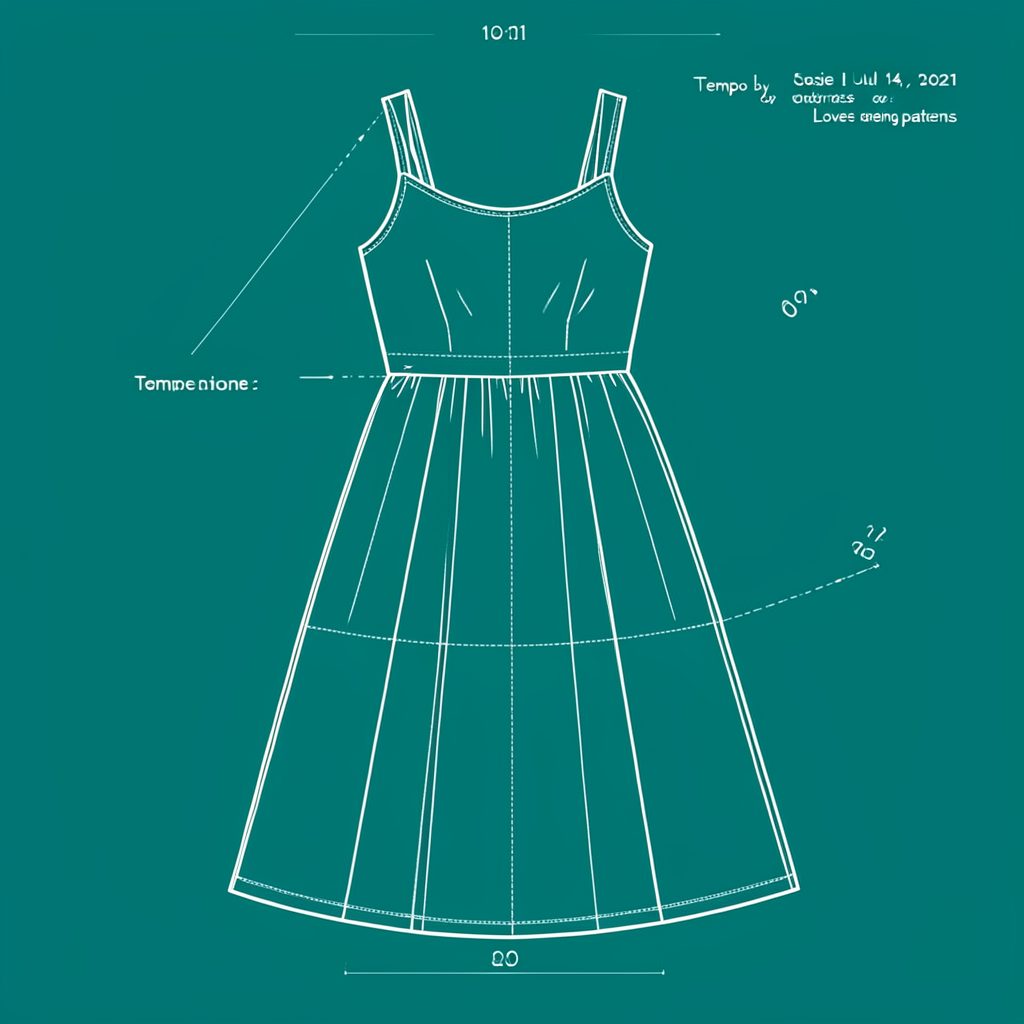
Made for Mermaids Hopscotch Dress Pattern Review
The Made for Mermaids Hopscotch Dress is the kind of project that can look completely different depending on the fabric, skirt option and styling choices. It has the approachable feel of an everyday knit dress, while still offering enough variations to make the sewing process interesting.
I made this review with practical wardrobe sewing in mind: how the pattern behaves at the machine, what fabrics suit it, and whether the finished garment earns regular space in a handmade wardrobe. The design is especially appealing if you want a comfortable dress with a defined bodice and an easy-to-wear skirt.
If you enjoy indie pattern reviews, fabric experiments and realistic garment-making notes, you can find more projects in Josie’s sewing archive. This pattern also makes a useful case study in choosing a design for real weather and real life rather than sewing purely for a special occasion.
| Feature | Review notes |
|---|---|
| Pattern company | Made for Mermaids |
| Garment type | Women’s knit dress |
| Best fabrics | Stable jersey, cotton lycra and other dress-weight knits |
| Skill level | Confident beginner to intermediate |
| Main appeal | Comfortable shape with several styling possibilities |
| Wardrobe use | Casual days, work-from-home dressing, weekends and travel |
The pattern at a glance
Hopscotch is built around a fitted upper section and a fuller skirt, giving it a clear waistline without making the garment feel formal. The result sits between a T-shirt dress and a more polished day dress. It is comfortable enough for ordinary errands but has enough shape to look considered.
The pattern’s appeal lies in its adaptability. Depending on the chosen neckline, sleeves, skirt length and fabric, the same base can become a light summer dress, a practical transitional outfit or a warmer winter layer. That flexibility is valuable when PDF patterns are priced in Australian dollars and international postage can make printed patterns less attractive.
The instructions follow the familiar Made for Mermaids style, with construction stages arranged in a logical order. Clear illustrations and a manageable number of pattern pieces make the project less intimidating for a first knit dress, although checking the finished measurements is still essential.
Shape and fit
The bodice is designed to sit close to the body, so the finished measurements matter more than simply selecting a size from the body measurement chart. I would compare bust, waist and upper hip measurements, then consider the amount of negative ease suggested for the fabric. A very stretchy rayon jersey will behave differently from a firm cotton lycra.
The waist seam is a useful fitting point. It gives you an opportunity to assess the bodice before attaching the skirt and makes small adjustments easier to manage. If you are between sizes, blending gradually through the side seams may produce a more comfortable result than choosing one size throughout.
For a fuller bust, the pattern may benefit from a full bust adjustment or from checking the bodice length carefully. Even a small alteration can prevent the waist seam riding upward. A quick toile in inexpensive knit fabric is worthwhile if the final fabric is costly or difficult to replace.
Choosing fabric for the best result
A medium-weight knit with good recovery is the safest choice. Cotton-spandex jersey gives a stable, familiar sewing experience and works well for a first version. Ponte can create a more structured dress, although its weight may change the way the skirt hangs and could make the garment warmer than expected.
Rayon, bamboo and viscose jerseys produce a softer, drapier finish. They are lovely for a swishy skirt, but their fluid surface can make cutting and attaching the bodice more demanding. In Brisbane or Darwin, a breathable rayon blend could be appealing for humid weather; in cooler Melbourne, a heavier knit may be more practical.
Print scale also affects the finished look. Small florals and scattered motifs keep the dress casual, while stripes can emphasise the waist seam and require matching. A plain fabric shows the silhouette clearly and is useful for judging fit, but a print can disguise minor stretching around the seams.
Sewing the bodice
The bodice is where careful handling makes the biggest difference. Knit fabric should not be pulled while sewing, especially around the neckline and armholes. A stretch or ballpoint needle, polyester thread and a narrow zigzag or stretch stitch will help preserve the fabric’s movement.
Clear elastic at the shoulder seams can prevent them from stretching during construction and wear. It is a small step, but it gives the finished dress a more stable shape. If your machine has a walking foot, it can also help feed slippery jersey evenly, although a standard foot can work perfectly well with the right settings.
The neckline finish deserves patience. Pressing with a little steam, using clips instead of pins and checking the quarter points before stitching all help produce an even band. If your first attempt waves, the issue is often too much tension during attachment rather than a problem with the pattern itself.
Skirt construction and finishing
The skirt is relatively straightforward once the bodice is secure. Gathering requires even distribution, so I prefer to mark the quarter points on both the skirt and bodice before joining them. This avoids ending up with too much fullness at the centre front or back.
A twin needle can give a neat coverstitch-style hem on many domestic machines, but a zigzag or stretch stitch is also practical. Test on scraps first, because different knits react differently to tension and stitch length. A hem that looks flat before washing may ripple afterwards if the fabric has been stretched while sewing.
The finished length is worth considering before cutting. Australian sewists often need to adapt patterns for a different climate: a shorter version can be cooler for summer in Sydney, while a longer skirt paired with tights suits a chilly Adelaide or Canberra winter. Always allow enough fabric for shrinkage and prewash it before cutting.
Wearing it in an Australian wardrobe
Hopscotch works particularly well as a base garment because it can be styled across seasons. In summer, it needs little more than sandals, a lightweight cardigan and a practical tote. For cooler weather, add a long-sleeved tee underneath, a denim jacket or a cropped cardigan that does not obscure the waist seam.
The pattern is also suited to the local fabric-buying landscape. Spotlight stores can be useful for accessible cotton jerseys and seasonal sales, while independent online shops and smaller Melbourne or Sydney fabric stores often offer more distinctive prints. Comparing fabric width and fibre content is important, as two fabrics labelled “jersey” can have very different stretch and recovery.
For travel, the dress is comfortable without looking like loungewear, and a knit fabric reduces the need for careful pressing. It would make a useful handmade option for a weekend away, provided the fabric is not too prone to creasing or pilling. In regional areas, ordering swatches before committing to online fabric can save disappointment and return postage.
Helpful choices before cutting
A little preparation will make the first version more successful. The pattern is accessible, but it still rewards the same thoughtful process as any fitted garment: measure, test, and adjust before investing in the final cloth.
These are the decisions I would make before printing the PDF:
- Measure your bust, waist and upper hip rather than relying on ready-to-wear size.
- Check the fabric’s stretch across the grain and test its recovery after stretching.
- Make a bodice toile if you are between sizes or altering for a fuller bust.
- Stabilise the shoulder seams and avoid stretching the neckline while attaching it.
- Mark quarter points before gathering the skirt to keep the fullness balanced.
- Choose the skirt length according to your shoes, height and local climate.
- Prewash the fabric and check the hem finish on a scrap before sewing the dress.
Final thoughts on the Hopscotch dress
The Hopscotch Dress is a strong choice for sewists who want an everyday knit garment with more shape than a basic T-shirt dress. It offers enough variation to justify making more than one, while the straightforward construction keeps the project manageable. Beginners may need to slow down around the neckline and waist seam, but neither area is beyond reach with a few practice samples.
More experienced sewists will appreciate the opportunity to adjust the fit and experiment with fabric personality. A stable cotton jersey creates a neat, casual dress; a soft drapey knit gives a more relaxed silhouette; and a structured ponte version can feel almost tailored. That range makes the pattern useful rather than disposable.
As with any independent pattern, it is sensible to read the designer’s current size chart, fabric guidance and version details before purchasing, since files and instructions can be updated. I also keep my pattern disclosure notes available so the background to a review is clear. Overall, Hopscotch earns its place as a practical, repeatable pattern for a comfortable handmade wardrobe.
Popular Pattern Reviews
| Pattern | Designer | Type | Highlight |
|---|---|---|---|
| Compose Robe (Kids) | Love Notions | Robe / Loungewear | Sizes 2T–16, cosy & practical |
| Tempo Sundress | Love Notions | Sundress | No closures, shirred back panel |
| Arlington Sweater | Love Notions | Sweater | Cold-weather staple |
| Sybil Illusion Skirt | Love Notions | Skirt (knit) | 7 variations, optional pockets |
| Camden Pinafore | Nina Lee Patterns | Pinafore dress | Year-round layering piece |
| Ogden Cami (dress hack) | True Bias | Cami / Dress | Versatile wardrobe builder |
| Burda 6829 | Burda | Dress | Multi-sized, special-occasion |
Stay in Touch
Subscribe to the newsletter for sewing inspiration, pattern tips, and project ideas delivered straight to your inbox.