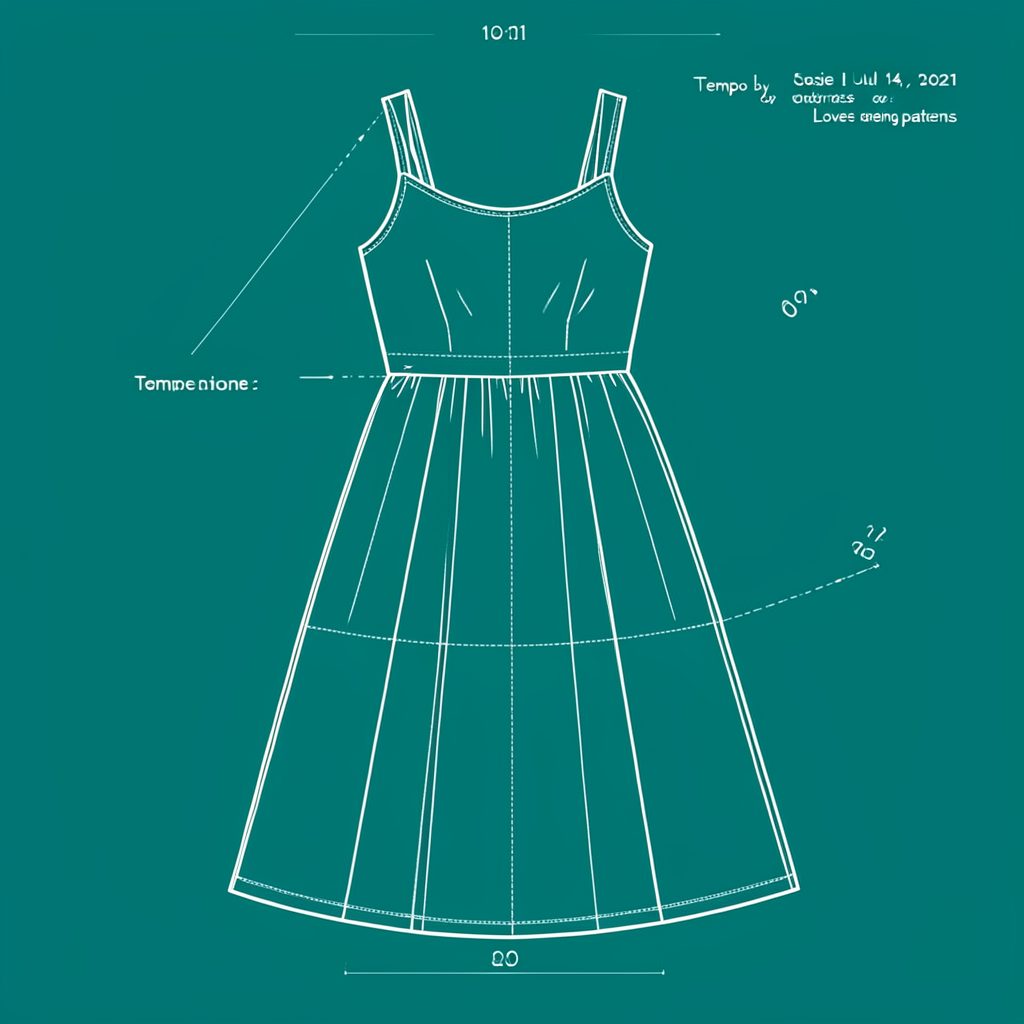
Made For Mermaids North Shore Dress Pattern Review
The Made for Mermaids North Shore Dress caught my attention as the kind of project that can work hard in a handmade wardrobe. It has the ease of a casual day dress, but the right fabric and finishing choices can make it feel much more polished. That balance is especially useful when a pattern needs to move between errands, work-from-home days, and weekends out in Yorkshire.
I made my version in a soft, comfortable knit and used the pattern as a chance to look closely at fit, construction, and everyday wearability. The result is a dress that feels approachable for a confident beginner while still offering enough choices to keep a more experienced sewist interested.
This review covers the pattern instructions, fabric selection, fit, sewing process, and the changes I would consider for a second version. As with any PDF pattern, it is worth checking the current size chart and included options before cutting, since designers may update files over time.
The Style And Pattern Options
The North Shore Dress has a relaxed, feminine shape that is easy to style without looking overly formal. The bodice gives the dress enough definition, while the skirt provides comfortable movement. It is the sort of silhouette that benefits from a fabric with good recovery: soft enough to drape, but stable enough to keep the shape of the neckline and waistline looking neat.
The pattern’s appeal lies in its versatility. Different sleeve, skirt, and length options allow the same basic design to become a warm-weather day dress, a layered autumn outfit, or a more dressed-up piece for an occasion. That makes it a useful addition to a pattern library rather than a one-project novelty.
The style also works well with prints. A small floral, stripe, or abstract design can highlight the shape without requiring complicated pattern matching. A plain fabric shows off the construction and makes the dress easier to accessorise.
Fabric Choice And Preparation
For this kind of garment, I would begin with a medium-weight knit that has reliable stretch and recovery. Cotton jersey can work, but a fabric with a little polyester, rayon, or elastane often gives a smoother fit and helps the dress recover after sitting or wearing. Very lightweight jersey may cling more than expected, while a bulky ponte can make the skirt feel heavier.
Before cutting, I washed and dried the fabric in the way I planned to treat the finished dress. This is particularly important for UK fabrics that may vary considerably between suppliers. Preshrinking also gives a more realistic idea of the final drape and helps prevent a carefully measured dress becoming too short after its first wash.
A ballpoint or stretch needle, polyester thread, and a walking foot made the sewing more straightforward. I used an overlocker for the main seams, but a regular sewing machine with a narrow zigzag or stretch stitch would also be suitable. The key is to avoid a rigid seam that could snap when the dress is pulled over the body.
Printing, Cutting, And Fit
The PDF pattern was easy to work with once the layers and size lines were checked. I always print the test page first and measure the printed square before committing to the full assembly. It is a small step, but it prevents a great deal of frustration later.
I selected the size using the designer’s measurements rather than relying on my usual shop size. With a close-fitting knit bodice, bust and waist measurements are more useful than a general impression of what size I normally buy. I also compared the finished garment measurements, as these indicate how much ease the designer has built into the style.
My most important fitting check was through the bodice and waist. The skirt is forgiving, but a bodice that is too long or too loose can change the position of the waist seam and affect the whole silhouette. I made a quick tissue or fabric check before finishing the neckline, which gave me the opportunity to assess length and comfort.
The North Shore is also a good reminder that fitting is rarely limited to one project. For another useful example of adjusting proportions around the lower body, I found this guide to narrow-hip fitting helpful when thinking about how different garments distribute ease.
| Feature | My Experience | Useful Tip |
|---|---|---|
| Fabric | Soft medium-weight knit | Prioritise recovery as well as stretch |
| Main fit area | Bodice and waist | Compare body and finished measurements |
| Construction | Manageable for home sewing | Use clips and a stretch-friendly seam |
| Style | Casual with dressier potential | Let the fabric determine the mood |
| Best use | Everyday and layered dressing | Choose length and sleeves for the season |
Sewing The Dress
The construction is logical, and the project moves at a satisfying pace. The main challenge is working accurately with knit fabric rather than handling complicated design details. Staystitching or reinforcing areas that may stretch during construction is worthwhile, especially around the neckline and shoulder seams.
I took my time at the joining points where the bodice and skirt meet. Matching quarter points and distributing any extra fabric evenly helps prevent small gathers or twisting. Clips are more practical than pins here, and basting a section first can save time if the fabric is particularly lively.
The neckline deserves careful attention because it is one of the first things people notice. A twin needle, coverstitch, or carefully selected zigzag can give a professional finish. I tested the stitch on a scrap before sewing the actual garment, checking that the fabric stretched without tunnelling or popped threads.
If you are planning to wear the dress with a cardigan, consider the sleeve and neckline combination before finishing. My Willow wrap cardigan sew-along includes useful thoughts on creating comfortable layers over feminine knit silhouettes, and a similar approach works well here.
Hemline And Finishing Details
The hem is simple in principle, but knit hems can easily become wavy. Pressing the hem allowance before stitching helped, and I used a light stabiliser where needed. A narrow double-needle finish keeps the edge flexible, although a coverstitch gives a particularly clean result if you have access to one.
I checked the dress length with the shoes I expected to wear most often. This is more reliable than hemming while barefoot, especially when working with a midi or maxi version. The final length should suit both the fabric’s drape and the wearer’s stride.
For anyone adapting the skirt or working with a straighter silhouette, this guide on creating a hemline curve is a useful reference. Even when the North Shore is sewn as drafted, understanding how a hemline behaves can make alterations much more predictable.
Wearability And Wardrobe Potential
The finished dress feels comfortable enough for everyday wear while still looking considered. It can be worn with trainers and a denim jacket, or dressed up with boots, jewellery, and a structured coat. That flexibility is one of its strongest features.
Seasonal fabric choices would change the character completely. A lightweight floral jersey would suit spring and summer, while a darker solid, brushed knit, or soft ponte could carry the style into autumn. Adding tights and a cardigan makes it practical for cooler British weather without losing the shape of the dress.
I would also recommend photographing or making notes about the finished measurements. A successful first version gives useful information for future variations, including whether the next dress should have a little more length, a different sleeve, or a firmer fabric.
What I Would Change Next Time
The pattern is a strong option for sewists who want a wearable dress without an intimidating construction process. It offers enough variation to justify making more than one, and the basic silhouette is forgiving when paired with the right knit.
For a second version, I would focus on refining the fit rather than changing the entire design. Small adjustments can make a familiar pattern feel custom-made:
- Check the bodice length before cutting the final fabric.
- Choose fabric recovery carefully, especially for a close-fitting version.
- Stabilise shoulder and neckline seams during construction.
- Test the hem finish on a fabric scrap first.
- Consider the shoes and layers that will be worn with the finished dress.
The Made for Mermaids North Shore Dress is a practical, enjoyable pattern with genuine wardrobe potential. It rewards careful fabric selection and a few sensible fitting checks, but it does not demand advanced techniques. For a comfortable handmade dress that can be adapted across seasons, this one deserves a place in the sewing queue. Download the pattern, choose a knit that makes you want to sew, and make a version that suits your own wardrobe and daily life.
Popular Pattern Reviews
| Pattern | Designer | Type | Highlight |
|---|---|---|---|
| Compose Robe (Kids) | Love Notions | Robe / Loungewear | Sizes 2T–16, cosy & practical |
| Tempo Sundress | Love Notions | Sundress | No closures, shirred back panel |
| Arlington Sweater | Love Notions | Sweater | Cold-weather staple |
| Sybil Illusion Skirt | Love Notions | Skirt (knit) | 7 variations, optional pockets |
| Camden Pinafore | Nina Lee Patterns | Pinafore dress | Year-round layering piece |
| Ogden Cami (dress hack) | True Bias | Cami / Dress | Versatile wardrobe builder |
| Burda 6829 | Burda | Dress | Multi-sized, special-occasion |
Stay in Touch
Subscribe to the newsletter for sewing inspiration, pattern tips, and project ideas delivered straight to your inbox.