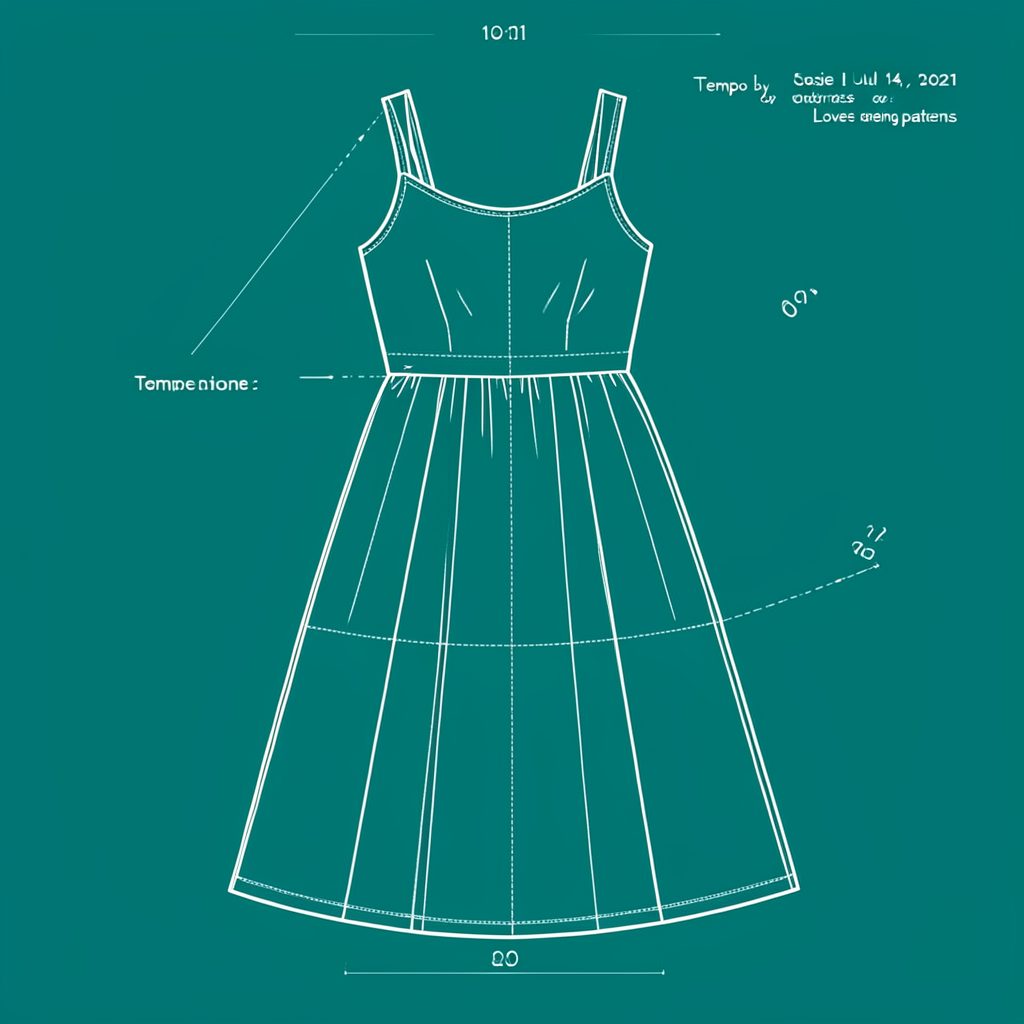
The Petite Stitchery Co Harper Top Review
The Harper Top by The Petite Stitchery Co is the kind of indie sewing pattern that earns its place in a handmade wardrobe through versatility. It has a clean, wearable shape, enough room for personal styling, and the potential to look quite different depending on the fabric, hem finish, and small design decisions.
I made my version with everyday wear in mind rather than treating it as a special-occasion project. That made the fabric choice especially important: the pattern needs enough drape to skim the body comfortably, while still having sufficient structure to keep the neckline and key seams looking neat.
As with many PDF patterns, the overall experience depends on careful preparation as much as stitching. I found that taking time over printing, measuring, and choosing the right size made a greater difference than rushing into construction. The finished top is approachable for a confident beginner, yet offers enough detail to keep a more experienced sewist interested.
First Impressions Of The Pattern
The Harper Top has a straightforward, modern feel. Its silhouette is easy to imagine with jeans, tailored trousers, or a handmade skirt, which makes it more useful than a pattern designed around one very specific outfit. The shape is relaxed without looking shapeless, giving it the comfort of an everyday top while retaining a little polish.
The PDF format is convenient for sewists who like to print at home and get started quickly. As always, I recommend checking the test square before assembling the pages. The layers function is also worth using if it is available in the file, since printing only the required size can reduce both paper waste and confusion at the cutting stage.
The instructions are written in an accessible style, with the construction order easy to follow. I still read through the complete tutorial before cutting fabric. That simple step helped me identify where accuracy would matter most and prevented the familiar problem of reaching a later stage with a piece attached in the wrong direction.
Choosing A Size And Fabric
I selected my size using the finished measurements as well as the body measurements. This is particularly important for a top with a relaxed fit, because choosing solely from a standard shop size can result in unnecessary width or a shoulder area that does not sit as intended. Comparing the pattern chart with a garment already in my wardrobe gave me a useful second reference.
Fabric choice has a substantial effect on the character of the Harper. A lightweight woven fabric such as cotton lawn, rayon challis, viscose, or a soft linen blend creates fluid movement and a dressier finish. A crisp cotton lawn gives more definition, while a drapey fabric allows the top to fall closer to the body.
For a first attempt, I would avoid anything extremely slippery or loosely woven. Those fabrics can make cutting and pressing harder than necessary. A stable rayon, lightweight chambray, or smooth cotton blend provides a good balance between movement and control, especially for a sewist still building confidence with garment construction.
Construction Details That Matter
The most important preparation is transferring markings accurately. Notches, centre points, and any placement marks should be visible before the first seam is sewn. They help keep the garment balanced and make it easier to match sections that may otherwise appear slightly different once handled.
I used a fine needle and a shorter stitch length appropriate for lightweight woven fabric. Before sewing the garment itself, I tested the thread tension and seam finish on scraps. This small investment saved time because I could confirm that the fabric would not pucker and that the finished seams would remain neat after pressing.
Pressing at every stage improved the final result. Pressing is especially useful around the neckline, sleeve or armhole area, and hem, where a few millimetres of unevenness can become visible. I pressed seams as instructed rather than trying to flatten everything in one final session.
| Feature | How It Performed | Helpful Consideration |
|---|---|---|
| Everyday silhouette | Comfortable and easy to style | Compare finished measurements with a favourite top |
| PDF format | Simple to print and assemble | Check the test square and use size layers |
| Fabric flexibility | Works with several lightweight options | Choose fabric with fluidity but enough stability |
| Construction | Manageable for confident beginners | Mark notches and press each seam carefully |
| Wardrobe potential | Suitable for casual and smarter outfits | Consider making a neutral and a patterned version |
Fit And Wearability
The finished fit feels comfortable without needing constant adjustment. I appreciate a top that allows normal movement through the shoulders and body but still looks intentional when tucked in or worn loose. The Harper has that useful middle ground, making it a practical option for work-at-home days, weekends, and occasions where a handmade garment needs to feel a little more polished.
A toile is worthwhile if you are between sizes, have a fuller bust, or often need to adjust the shoulder or upper back area. Even when the general measurements appear right, a quick test garment can show whether the neckline sits comfortably and whether the amount of ease suits your preferred style.
For future versions, I would consider making small personal adjustments rather than changing the whole shape. A slight length alteration, a narrow shoulder adjustment, or a modest full-bust adjustment may be enough to create a more precise fit. The pattern’s uncomplicated design makes these changes easier to evaluate.
Styling And Fabric Ideas
A solid-colour Harper Top is a reliable wardrobe basic, but prints can bring out the pattern’s softer side. Small florals, narrow stripes, and abstract prints would all work well, provided the fabric is not so busy that it hides the garment’s lines. A border print could also be interesting if the design is positioned thoughtfully before cutting.
For a relaxed weekend outfit, I would pair it with high-waisted jeans and trainers. Tucked into wide-leg trousers, it could look more considered, particularly in a drapey fabric with a subtle sheen. A shorter version might suit skirts, while a longer hem can provide extra coverage with leggings or slim trousers.
The beauty of this kind of pattern is that it can occupy several places in a wardrobe. My sewing projects often need to work with garments I already own, and the Harper has enough simplicity to mix easily with handmade and ready-to-wear pieces.
What I Would Change Next Time
My next version would include a little more attention to the finishing details from the beginning. I would prepare the bias binding or facing, if required by the chosen version, before starting construction so that the final stages feel less interrupted. Matching thread and a fresh pressing cloth would also help produce a cleaner finish on delicate fabric.
I would also consider making a wearable toile in an inexpensive but attractive fabric. That approach gives useful information about length, ease, and fabric behaviour without turning the test garment into something destined for the recycling pile. A toile that can still be worn makes the fitting process feel considerably more worthwhile.
The pattern is not completely instant, and beginners should allow time for accurate cutting and careful pressing. However, the extra minutes are rewarded with a garment that looks neat and feels genuinely wearable. My main advice is to slow down around the neckline and any curved seams rather than trying to make up time there.
Practical Tips Before You Cut
These small preparations should make the project smoother:
- Measure both your body and a well-fitting top before selecting a size.
- Print the PDF at its intended scale and verify the test square.
- Choose a stable, lightweight fabric for the first version.
- Staystitch or reinforce vulnerable edges when the instructions call for it.
- Press every seam and try the garment on before completing the final hem.
The Petite Stitchery Co Harper Top is a strong addition to an indie pattern collection. It offers everyday comfort, useful styling potential, and enough scope for fabric experimentation without becoming an unnecessarily complicated sew. My version has the ease I wanted from a casual top while still feeling like a considered handmade garment.
If you make the Harper, take time to record the size, fabric, alterations, and fit notes alongside your finished photographs. Sharing those details helps build a more useful sewing community, and you can get in touch to share your version or tell me how the pattern worked for you.
Popular Pattern Reviews
| Pattern | Designer | Type | Highlight |
|---|---|---|---|
| Compose Robe (Kids) | Love Notions | Robe / Loungewear | Sizes 2T–16, cosy & practical |
| Tempo Sundress | Love Notions | Sundress | No closures, shirred back panel |
| Arlington Sweater | Love Notions | Sweater | Cold-weather staple |
| Sybil Illusion Skirt | Love Notions | Skirt (knit) | 7 variations, optional pockets |
| Camden Pinafore | Nina Lee Patterns | Pinafore dress | Year-round layering piece |
| Ogden Cami (dress hack) | True Bias | Cami / Dress | Versatile wardrobe builder |
| Burda 6829 | Burda | Dress | Multi-sized, special-occasion |
Stay in Touch
Subscribe to the newsletter for sewing inspiration, pattern tips, and project ideas delivered straight to your inbox.