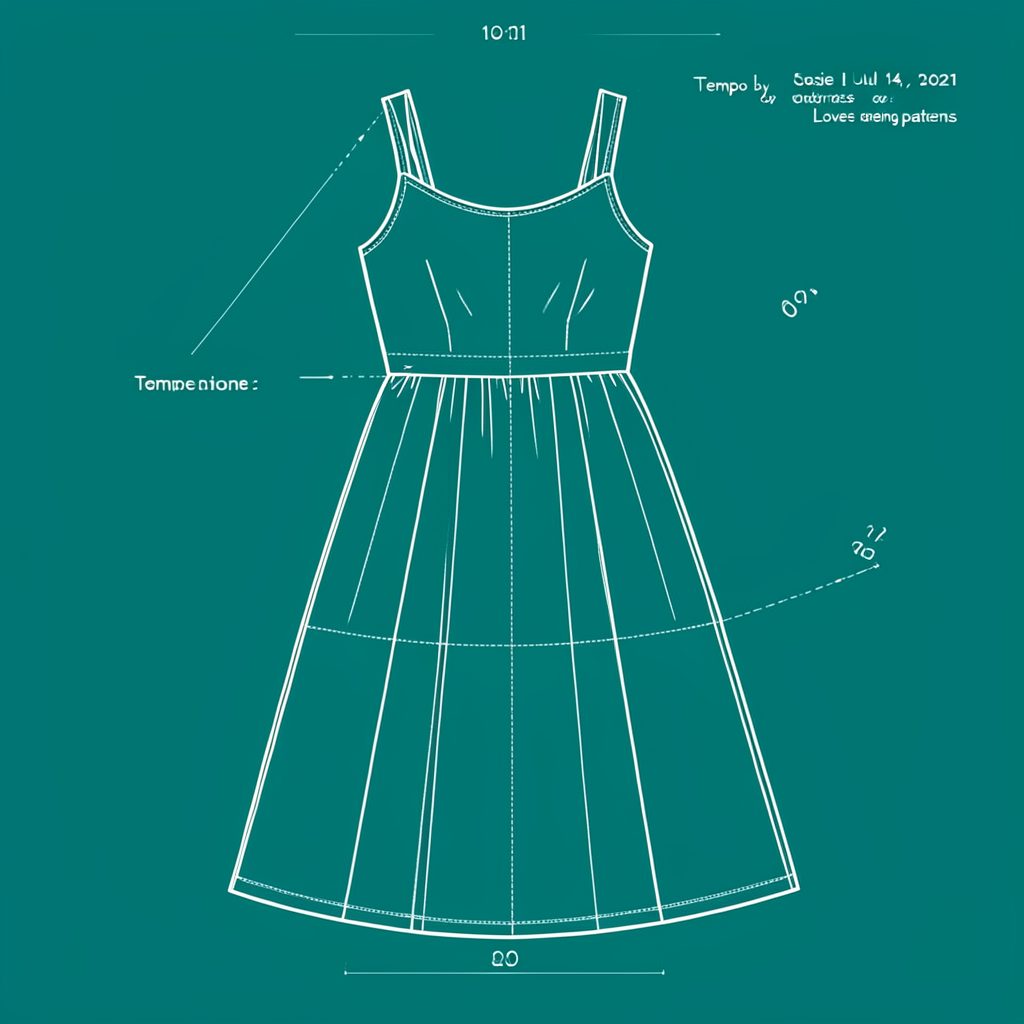
Pattern Review: The Style Arc Lacey Dress
The Style Arc Lacey Dress is the kind of pattern that rewards careful preparation. It has a polished, feminine outline without looking overly formal, making it suitable for weekday wear, lunches, and occasions where a handmade dress needs a little extra presence. The design offers enough shaping to feel considered while remaining approachable for a confident beginner. Learn more about Diy Fabric Coasters With Felt Backing.
My interest in this pattern came from its balance between clean construction and wearable detail. Style Arc patterns often rely on precise cutting and clear garment sections rather than excessive decoration, so the fabric and finish have room to do the talking. That makes Lacey a useful project for testing a new print, a textured solid, or a fabric with a graceful drape.
For Australian sewists, fabric choice is especially important. A dress that feels comfortable in Melbourne’s changing seasons may need a lighter version for Brisbane humidity, while someone in Perth or Adelaide may want a fabric that handles strong sun and frequent washing. This review looks at the design, the sewing process, fit decisions, and how the finished garment performs in everyday life.
The Shape And First Impression
Lacey has an elegant dress silhouette with a defined upper section and a skirt that creates movement without becoming fussy. The overall effect is more refined than a basic shift dress, yet it avoids the stiffness of a highly tailored pattern. The lines are attractive in a plain colour, while a restrained print can highlight the shaping in a softer way.
The pattern works best when the fabric supports its structure. A very floppy rayon may give a relaxed result, but it can make seams and edges harder to control. Cotton sateen, linen blends, light wool, stable crepe, and medium-weight viscose twill are more forgiving options. For a summer version, a linen-viscose blend would bring airflow while retaining enough body for the dress to sit neatly.
I particularly like the potential for changing the personality of the garment through fabric. A dark navy or bottle green version can feel smart enough for an evening meal, while a small floral or warm ochre print suits casual Australian dressing. The pattern has a strong foundation, so it does not need embellishment to look complete.
Fabric, Sizing And Fit Decisions
The most important preparation step is comparing body measurements with the finished garment measurements. Ready-to-wear size expectations are not reliable when choosing an indie pattern, and Style Arc’s sizing should be treated as its own system. Measure the bust, waist, and hips, then check where those measurements sit across the pattern rather than selecting a size automatically.
A toile is worthwhile if the bodice is close-fitting or if your measurements fall across several sizes. It does not have to be a full, beautifully finished garment. A quick version in inexpensive cotton can reveal whether the shoulder, bust area, waist position, and overall length are working before you cut into something special.
Length is another useful adjustment. Taller sewists may prefer extra skirt length, while petite makers might remove some through a lengthen-and-shorten line if one is provided. Australian proportions vary just as widely as anywhere else, so the most practical approach is to compare the pattern against a dress you already enjoy wearing. A small adjustment at this stage can make the finished garment feel custom-made.
When I am choosing cloth for a project, I also consider what is easy to source locally rather than planning around an unavailable designer remnant. Spotlight remains convenient in many cities, while independent shops and online Australian retailers often offer better-quality linen, deadstock, and printed viscose. It is worth ordering swatches when possible, especially for fabric bought online.
Sewing The Main Sections
The construction is manageable when the instructions are followed in sequence, but this is not a pattern I would rush through in one afternoon. Marking notches, transferring balance points, and keeping seam allowances consistent will make a noticeable difference. Pressing after each major step helps the dress develop a clean shape instead of looking slightly twisted.
The bodice deserves patience. Matching seams accurately around a shaped section is more satisfying than difficult, but it rewards basting before permanent stitching. A fine machine needle, fresh thread, and a slightly shorter stitch length can help when working with a slippery or loosely woven fabric. Stay-stitching vulnerable edges early also reduces stretching.
Finishing choices will affect how professional the dress looks inside. Overlocking is quick and practical, particularly for fabrics that fray, but French seams or a neatly turned finish may be better for lighter cloth. If the pattern includes a lining or facing, understitching and careful pressing are worth the extra minutes because they help the neckline and armholes remain flat.
The project pairs well with the practical making ideas collected in DIY projects, especially if you want to use leftover fabric for a belt, small pouch, or matching accessory. A dress like this can become the centre of a coordinated handmade wardrobe rather than a single isolated project.
Wearing Lacey In Australian Weather
The finished dress is versatile, but the best version for Australia depends heavily on climate and routine. In Brisbane or Darwin, breathable linen, cotton lawn, and lighter viscose will be more comfortable than a dense synthetic blend. In Melbourne, the same dress can work across spring and autumn with a cardigan, cropped jacket, or fine merino layer.
For Sydney workdays, a washable fabric is especially practical when commuting, walking between appointments, or relying on air conditioning. A moderate print can disguise everyday marks, while a darker solid may show lint and pet hair more readily. In hotter areas, avoid choosing fabric purely for its appearance; a beautiful dress that traps heat will spend too much time in the wardrobe.
The pattern also suits the Australian habit of dressing across several settings in one day. A simple sandal and woven bag can make it feel relaxed for a weekend market, while leather flats and jewellery sharpen it for dinner. The skirt movement gives it enough comfort for sitting, travelling, and ordinary errands without making it look like loungewear.
If you intend to sell finished versions, remember that Australian consumer rules affect more than the stitching. Under the Australian Consumer Law, goods must be of acceptable quality and accurately described, while textile care information may be required under applicable care-labelling rules. A home sewist making one dress for personal use has different obligations from someone selling garments at a market or online.
Practical Checks Before Cutting
A few small checks can prevent expensive mistakes and make the sewing session calmer.
- Compare body and finished measurements before selecting a size
- Test the fabric’s drape, opacity, and crease recovery
- Make a quick bodice toile if the fit is uncertain
- Check the intended hem length with the shoes you will wear
The details that make the biggest difference are often simple:
- Transfer every notch and construction mark
- Stabilise neckline and armhole edges early
- Press seams as you go
- Photograph the toile before making adjustments
The Lacey Dress is a strong choice for a sewist who wants a garment with presence but no theatrical styling. It is more involved than a very simple pull-on dress, yet the extra care goes into shaping that can be worn repeatedly. Its success depends less on advanced techniques than on accurate preparation, suitable fabric, and a willingness to slow down at the fitting stages.
| Version | Recommended fabric | Best use | Main consideration |
|---|---|---|---|
| Light summer dress | Linen-viscose or cotton lawn | Warm-weather weekends and holidays | Check opacity and seam stability |
| Smart everyday dress | Stable crepe or viscose twill | Work, lunches, and dinners | Choose a fabric with controlled drape |
| Cooler-season dress | Light wool blend or cotton sateen | Melbourne autumn and mild winter days | Allow room for layering |
| First toile | Inexpensive woven cotton | Fit and construction testing | Match the fabric weight reasonably closely |
The pattern’s greatest strength is its adaptability. It can look relaxed or polished, depending on fabric, colour, and styling, while still retaining the distinctive feel of a thoughtfully drafted independent sewing pattern. It is a satisfying project for an intermediate sewist and a useful next step for a beginner who has already made a few woven garments.
I would recommend the Style Arc Lacey Dress to anyone seeking a wearable occasion-to-everyday pattern with clear opportunities for personalisation. Take time with the measurements, choose a cloth suited to your local climate, and treat the toile as part of the creative process. The result should be a dress that feels distinctly yours rather than a replica of something from a high-street rack.
Popular Pattern Reviews
| Pattern | Designer | Type | Highlight |
|---|---|---|---|
| Compose Robe (Kids) | Love Notions | Robe / Loungewear | Sizes 2T–16, cosy & practical |
| Tempo Sundress | Love Notions | Sundress | No closures, shirred back panel |
| Arlington Sweater | Love Notions | Sweater | Cold-weather staple |
| Sybil Illusion Skirt | Love Notions | Skirt (knit) | 7 variations, optional pockets |
| Camden Pinafore | Nina Lee Patterns | Pinafore dress | Year-round layering piece |
| Ogden Cami (dress hack) | True Bias | Cami / Dress | Versatile wardrobe builder |
| Burda 6829 | Burda | Dress | Multi-sized, special-occasion |
Stay in Touch
Subscribe to the newsletter for sewing inspiration, pattern tips, and project ideas delivered straight to your inbox.