True Bias Southport Dress: A Practical Pattern Review
The True Bias Southport Dress is an easy-going woven dress pattern with the kind of warm-weather appeal that makes it useful far beyond a single season. Its combination of a shaped bodice, adjustable straps, button-front detail and swishy skirt gives it a polished outline without making it feel too precious for everyday wear.
For Australian sewists, this is the sort of project that can move from a humid Queensland afternoon to a Melbourne weekend with only a change of fabric and shoes. It also offers a good balance of learning opportunities and wearable results, making it suitable for someone building confidence with indie sewing patterns.
Choosing the Southport design
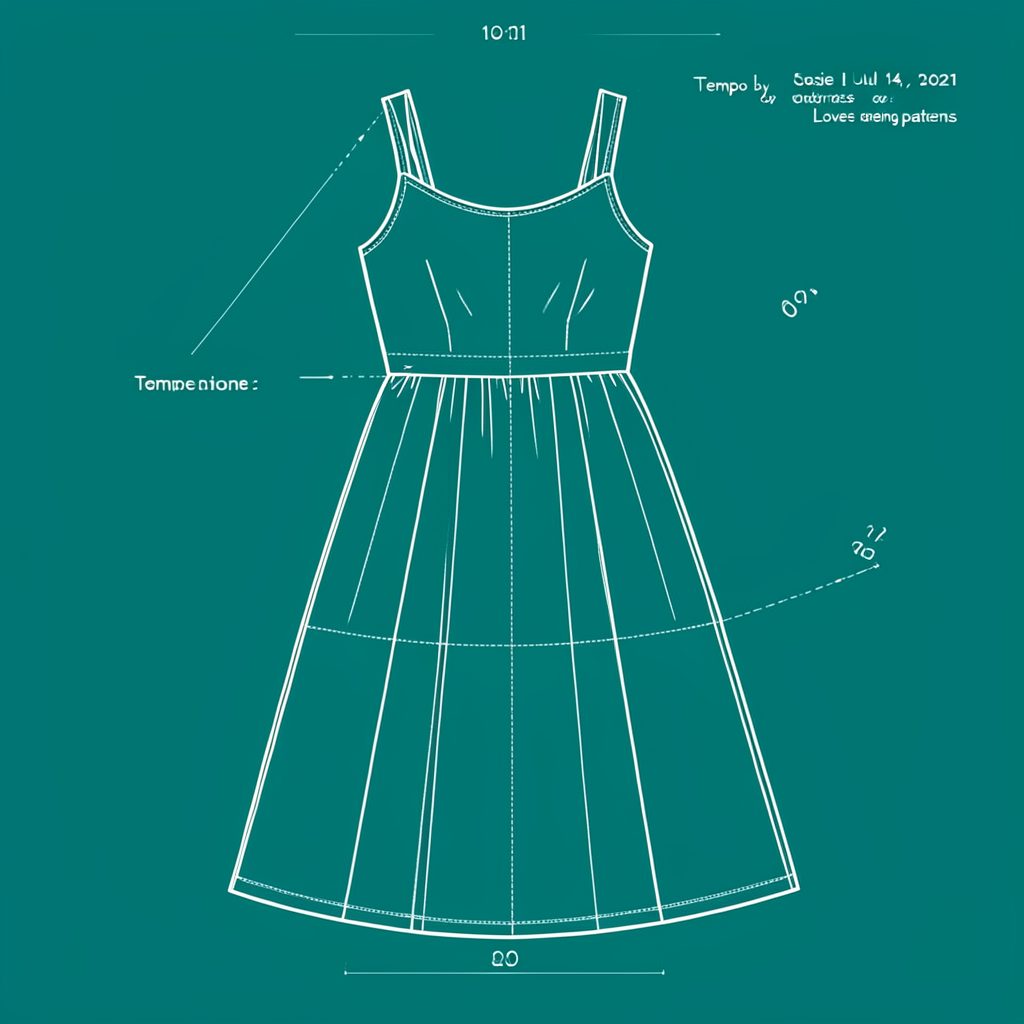
The Southport has a fitted upper section, a V-shaped neckline and a long, softly gathered skirt. The button placket adds structure down the front, while the waist shaping keeps the silhouette from becoming shapeless. Depending on the version and fabric, it can look relaxed, vintage-inspired or quite modern.
The pattern is designed for woven fabric rather than stretch knit, so accurate measurements matter. There is no reliance on fabric recovery to disguise a slightly loose bodice. Adjustable shoulder straps are particularly helpful because they allow the neckline and bust area to sit more securely after the dress has been assembled.
Its versatility is a strong point. A linen Southport feels right for a hot day in Brisbane, while a mid-weight cotton version can be worn with a cardigan during a cooler evening in Hobart. It would sit neatly among the practical DIY sewing projects that earn regular wear rather than remaining permanently on the “one day” list.
Pattern features and construction
The front button opening is one of the most recognisable details. It gives the dress visual interest and makes it easier to put on, although it does mean that buttonholes need careful marking. A neat, even placket will make a substantial difference to the finished garment, especially when using a bold stripe or a print with an obvious repeat.
The skirt is straightforward in concept, but gathering a large amount of fabric evenly takes patience. Dividing the gathering between several sections, using two rows of long basting stitches and checking the waist against the bodice before stitching permanently can prevent bulky or uneven results.
Side-seam pockets are another practical feature if included in the chosen version. They are large enough for small essentials, though they should be tested with the actual fabric. Very soft rayon may allow a pocket bag to sag, while crisp linen or quilting cotton will give it more support.
Fabric, fit and sizing
Fabric choice will strongly affect the personality of this dress. Light to medium-weight woven cloth is generally the safest starting point, with enough body to support the bodice but enough drape for the skirt. Linen, linen blends, cotton lawn, cotton voile with suitable opacity, rayon and lightweight chambray are all worth considering.
Australian sewists may find that local fabric shopping requires a little planning. A fabric that feels comfortable in an air-conditioned Melbourne shop can seem heavy once worn during a steamy Sydney summer. Check the fibre content, opacity and care instructions, and remember that darker rayon prints can still feel cool while offering better coverage than very pale colours.
| Fabric choice | Finished effect | Useful consideration |
|---|---|---|
| Linen or linen blend | Textured, breathable and relaxed | Expect creasing and allow for shrinkage |
| Cotton lawn | Light, crisp and comfortable | Check opacity, especially in pale colours |
| Rayon or viscose | Fluid with attractive movement | Handle carefully and test for stretching |
| Chambray | Casual with a little structure | Press thoroughly before cutting |
| Cotton poplin | Neat and supportive | Can make the gathered skirt feel fuller |
The sizing process should begin with the pattern’s finished measurements and your own body measurements, rather than choosing a size from ready-to-wear clothing. Pay close attention to the bust, waist and finished length. If you are between sizes, grading through the bodice and skirt may give a better result than sizing up everywhere.
For a taller Australian frame, the maxi length may still need adjustment, particularly if you want the hem to skim the ankle rather than sit near the floor. Shortening is usually simpler, but lengthening can be managed if the pattern provides a suitable adjustment area.
Sewing experience in practice
This is a manageable project for an advanced beginner who is comfortable with seam allowances, pressing and basic pattern reading. The most demanding stages are the bodice fit, the button placket, the strap placement and the gathered waist. None is especially complicated, but each rewards a slow approach.
A toile or test bodice is sensible if the dress is being made for an important event. It can reveal whether the neckline gapes, whether the straps need repositioning and whether the waist sits at the intended height. A small adjustment at this stage is much easier than unpicking a completed button placket.
Pressing should be part of the construction rather than something saved for the end. Press the placket as it develops, stabilise buttonhole areas if the fabric is loose, and stay-stitch curved or bias-cut edges where stretching could occur. For anyone wanting to strengthen general garment skills, this zip-fly tutorial offers the same kind of careful, step-by-step construction mindset, even though the technique belongs to trousers rather than dresses.
Checks before cutting
Before reaching for the scissors, it is worth checking the cutting layout, fabric width and directional design. A maxi skirt uses more fabric than a shorter dress, and a one-way print may increase the requirement. Australian fabric shops often list cloth by the metre, while many independent PDF patterns give requirements in both yards and metres, so check the conversion rather than relying on an estimate.
The Southport’s button-front design also makes pattern matching worth considering. Matching a small print is optional, but stripes and large-scale motifs can look noticeably uneven if the centre front is ignored. A few extra minutes with a ruler and chalk can make the finished garment appear far more considered.
Fit checks
- Compare body and finished measurements
- Test the bodice before cutting the full skirt
- Confirm the waist position and strap length
- Check the intended hem against your shoes
Fabric checks
- Pre-wash fabric in the way the finished dress will be laundered
- Test opacity in natural daylight
- Check whether the cloth stretches or grows on the bias
- Allow extra fabric for directional prints
These checks are especially useful when ordering online. Australian sewists may be buying from interstate stores or overseas suppliers, where return postage can be expensive and replacement fabric may take time to arrive. A small swatch test can prevent a costly mistake.
Wearing and styling the finished dress
The Southport works well as a stand-alone summer dress, but its styling can change with the climate. In Perth or Adelaide, sandals and a woven bag create an uncomplicated warm-weather outfit. In Melbourne, a fine knit underneath or a cropped jacket over the top can extend its use into spring and autumn.
Shoes will also influence the required hem length. Flat sandals give the dress a relaxed holiday feel, while wedges or low heels may require a longer finished length. If the dress is likely to be worn with several pairs, fit the hem to the shoes used most often rather than cutting it at a theoretical maximum.
A bold floral or geometric print makes the Southport feel expressive, while a plain linen version highlights the construction and can be accessorised repeatedly. Neutral shades such as black, navy, stone and olive are practical for an Australian wardrobe, though a bright cotton or sun-washed stripe can be especially appealing for summer.
Overall, this indie pattern earns its place as a useful wardrobe project. It offers enough detail to keep an experienced sewist interested, while the construction remains approachable for someone ready to move beyond simple elastic-waist garments. For occasional pattern reviews, fabric notes and sewing guidance, email updates can provide further project inspiration without turning the Southport into a difficult undertaking.
Popular Pattern Reviews
| Pattern | Designer | Type | Highlight |
|---|---|---|---|
| Compose Robe (Kids) | Love Notions | Robe / Loungewear | Sizes 2T–16, cosy & practical |
| Tempo Sundress | Love Notions | Sundress | No closures, shirred back panel |
| Arlington Sweater | Love Notions | Sweater | Cold-weather staple |
| Sybil Illusion Skirt | Love Notions | Skirt (knit) | 7 variations, optional pockets |
| Camden Pinafore | Nina Lee Patterns | Pinafore dress | Year-round layering piece |
| Ogden Cami (dress hack) | True Bias | Cami / Dress | Versatile wardrobe builder |
| Burda 6829 | Burda | Dress | Multi-sized, special-occasion |
Stay in Touch
Subscribe to the newsletter for sewing inspiration, pattern tips, and project ideas delivered straight to your inbox.